

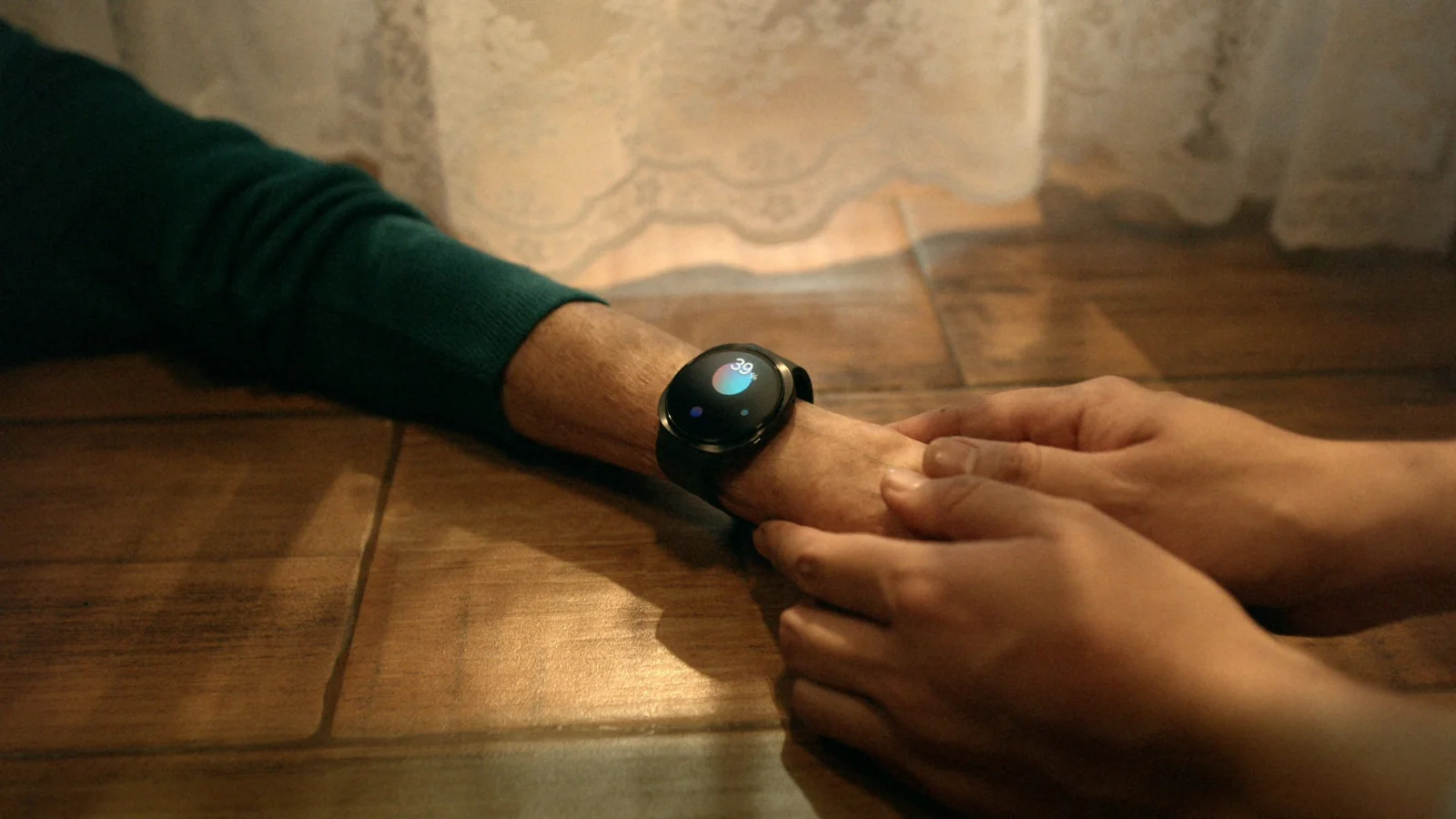

A blood oxygen reading from a Samsung Galaxy Watch changed how a Mexico City emergency doctor treated his mother when he found her collapsed at home. Dr José Elías Ortega, 37, is the latest person featured in Voices of Galaxy, Samsung’s series of real stories from people who use its devices in daily life.
For anyone in Asia weighing a smartwatch for themselves or for an ageing parent, his story is a clear example of what a wrist reading can do, and what it cannot.
Key facts
- Who: Dr José Elías Ortega, 37, emergency physician in Mexico City
- Reading used: blood oxygen saturation (SpO2) on a Galaxy Watch
- Diagnosis: influenza-related pneumonia, not the stroke he first suspected
- Outcome: his mother stabilised and was later discharged
- Video: Voices of Galaxy: Dr José on YouTube
From step counter to emergency tool
For a long time, the watch did ordinary jobs for him. It counted his steps, showed notifications and kept time.
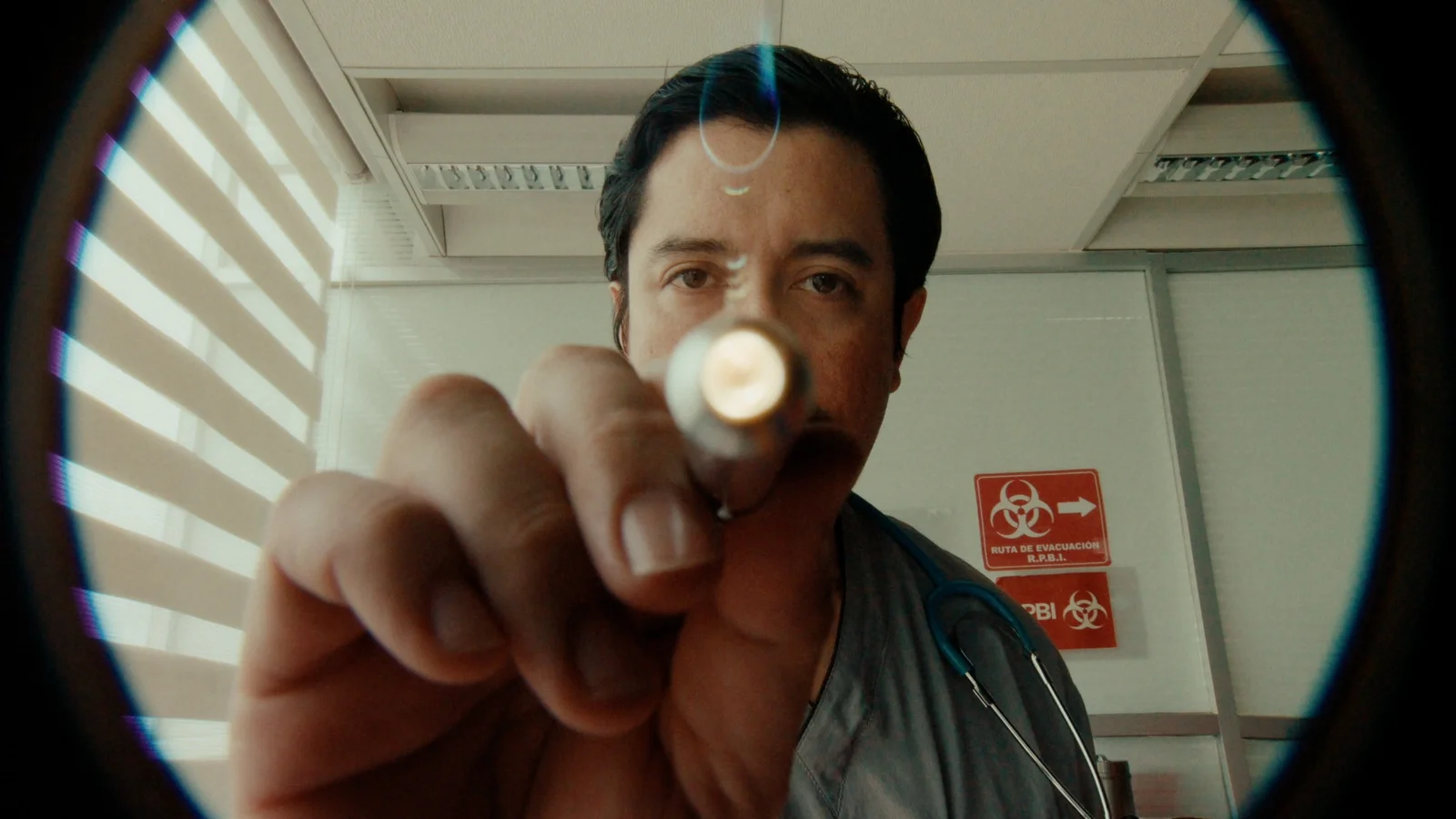
That changed a few years ago. After a night shift at the hospital, he went to see his mother, who lives alone. He found her on the floor. She was trying to get up but could not focus her eyes or respond to him.
His medical training pointed to a stroke. Then he remembered the watch. He strapped it onto her wrist to check her vital signs, and it showed that her oxygen saturation was below normal.
That single reading shifted his assessment towards a breathing problem. He gave her oxygen and took her to hospital. The medical team there diagnosed influenza-related pneumonia.
If I hadn’t had the watch on hand … we wouldn’t have realised her problem was respiratory.
Dr José Elías Ortega, emergency physician
A second role: his own health
The watch has also stayed with him through his own experience of thyroid cancer. He says it helped him build better sleep and activity habits.
To him, both episodes carry the same lesson. Wearables can pick up health signals that are easy to miss. He does not see the data as a substitute for a doctor. He sees it as a nudge to get checked sooner.
What the latest Galaxy Watch tracks
Samsung is using the story to promote the Galaxy Watch Ultra2 and Galaxy Watch9, which it unveiled at Galaxy Unpacked in London on 22 July 2026. The Ultra2 is aimed at training and outdoor use. The Watch9 is pitched at everyday health.
According to Samsung, the Watch9 reads heart rate, heart rate variability, respiratory rate, skin temperature and blood oxygen during sleep. It uses these to set a personal baseline and flag notable changes, a feature called Vitals in the Samsung Health app. Samsung lists Vitals, Heart Health Score, Fitness Index, Daily Cardio Load and sleep apnoea detection as features both watches share.
What it means for you
- Treat a reading as a prompt, not a diagnosis. Samsung states the feature is not meant to diagnose or treat any medical condition.
- Act on symptoms first. Collapse, confusion or trouble responding call for urgent medical help, whatever a watch shows.
- Check your market. Samsung notes that health feature availability varies by country, so confirm what works where you live before buying.
Wearables are one part of a wider shift towards tech-assisted care in the region, from telemedicine services in Vietnam to health screening trips to Taipei.
Watch Dr José’s story

Samsung Electronics makes smartphones, wearables, TVs, home appliances and semiconductors; its latest news is on the Samsung Newsroom.
To learn more, visit the Samsung official website.