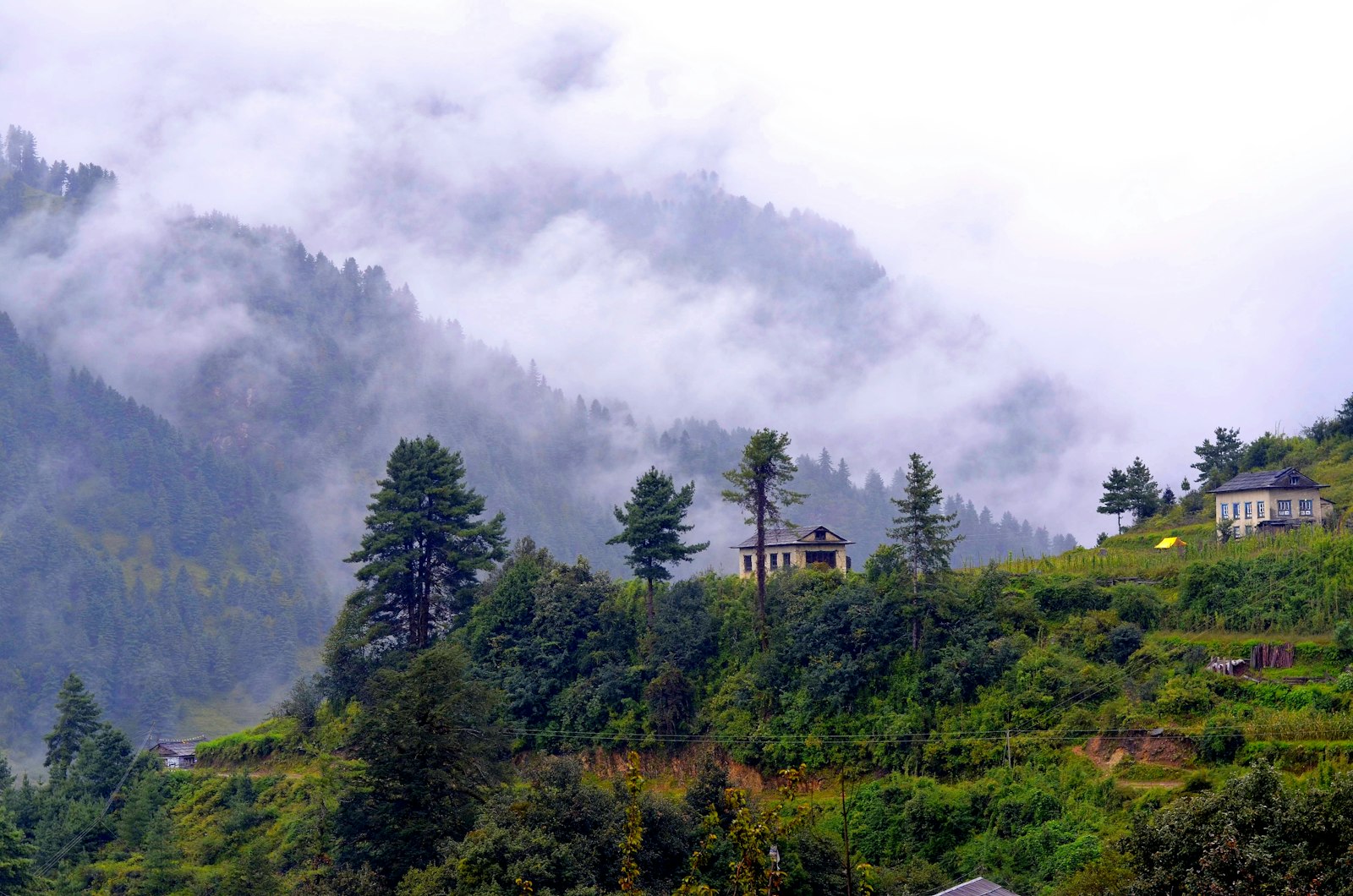

Community forestry in Nepal is one of Asia’s best-known conservation success stories. Over three decades, the country handed large areas of state forest to local user groups to protect and manage. Today more than 23,000 of these groups look after about 2.5 million hectares, and Nepal’s forest cover has risen to around 46% of its land.
Here is how the model works and why it matters beyond Nepal.
How Community Forestry in Nepal Began
Nepal’s forests came under heavy pressure in the decades before the 1990s, as demand for firewood, fodder and farmland grew. The government’s answer was to give communities a direct stake in the forests around them.
A presentation by Nepal’s forestry officials to the FAO traces the key steps. A Master Plan for the Forestry Sector came in 1989. The Forest Act of 1993 then recognised forest user groups as legal entities and allowed national forest to be handed over to them. Forest Regulations in 1995 added rules on user committees and management.
How Community Forest User Groups Work
Each community forest is run by a Community Forest User Group, made up of local households. Once a forest is handed over, the group takes charge of day-to-day decisions.
1. Setting the rules
The group decides who its members are and when, how much and at what price forest products can be harvested.
2. Caring for the forest
Members plan and carry out forest management work.
3. Sharing the benefits
Income from selling surplus products can be spent on community development and local livelihoods.
Community Forestry in Nepal by the Numbers
Figures from the government’s Economic Survey for the 2025/26 fiscal year, as reported by Ratopati and myRepublica, show the scale today:
- More than 23,000 community forest user groups are active.
- Together they manage about 2.5 million hectares of forest.
- Forest and shrubland cover about 46% of Nepal’s land, up from 39.6% in the 1990s.
The growth has been steady. Coverage stood at 44.74% in 2015 and 45.31% in 2019, before reaching 46.08% in the latest figures from the Ministry of Forests and Environment.
Other Ways Communities Share in Nepal’s Forests
Community forests are only one part of a wider system. The Economic Survey also counts 33 collaborative forests, 7,807 leasehold forest groups and 5,552 registered private forests. Forestry and environment programmes generated more than 1.9 million workdays of employment in the year, giving rural families another source of income.
Why the Model Works
Several features help explain the results. Local people know their forests best and have a direct interest in keeping them healthy. Clear legal rights give user groups the confidence to invest time and effort. And benefits stay in the community, which rewards good management.
The regional forestry organisation RECOFTC notes that community management has helped stabilise Nepal’s forest area and improve forest conditions, especially in the hills and lower mountains where most community forests are found.
New Rewards for Healthy Forests
Healthy forests are now bringing in new income. According to the Economic Survey, Nepal received US$9.4 million through the REDD+ programme for cutting 1.88 million tonnes of emissions in the Terai lowlands. Agreements are in place to earn a further US$40 million from 36 districts.
Lessons for Asia
Community forestry in Nepal shows what can happen when local people are trusted as partners in conservation. It offers a model for other countries looking to balance livelihoods with environmental protection.
Challenges remain, including keeping management plans up to date and making sure benefits reach poorer households. But the overall picture is one of steady, community-led recovery. As climate goals become more pressing across the region, Nepal’s experience offers a practical and hopeful example.
Bangladesh offers another example of community-led change, with solar home systems that reached millions of rural households.