


Cybersecurity specialist LGMS Berhad is speeding up its shift from a manpower-intensive, project-based services provider to a subscription model driven by artificial intelligence (AI). The aim is to strengthen recurring revenue, improve margins and grow the business without a matching increase in headcount.
LGMS founder and managing director Fong Choong Fook said the shift marks a significant evolution for the 21-year-old company, which has traditionally relied on cybersecurity professionals to carry out assessments, penetration testing and incident response work.
Why LGMS Is Moving AI Services to Subscriptions
Speaking at a recent investor briefing, Fong said the commercialisation of five AI-powered cybersecurity solutions is an important step towards a more scalable business model.
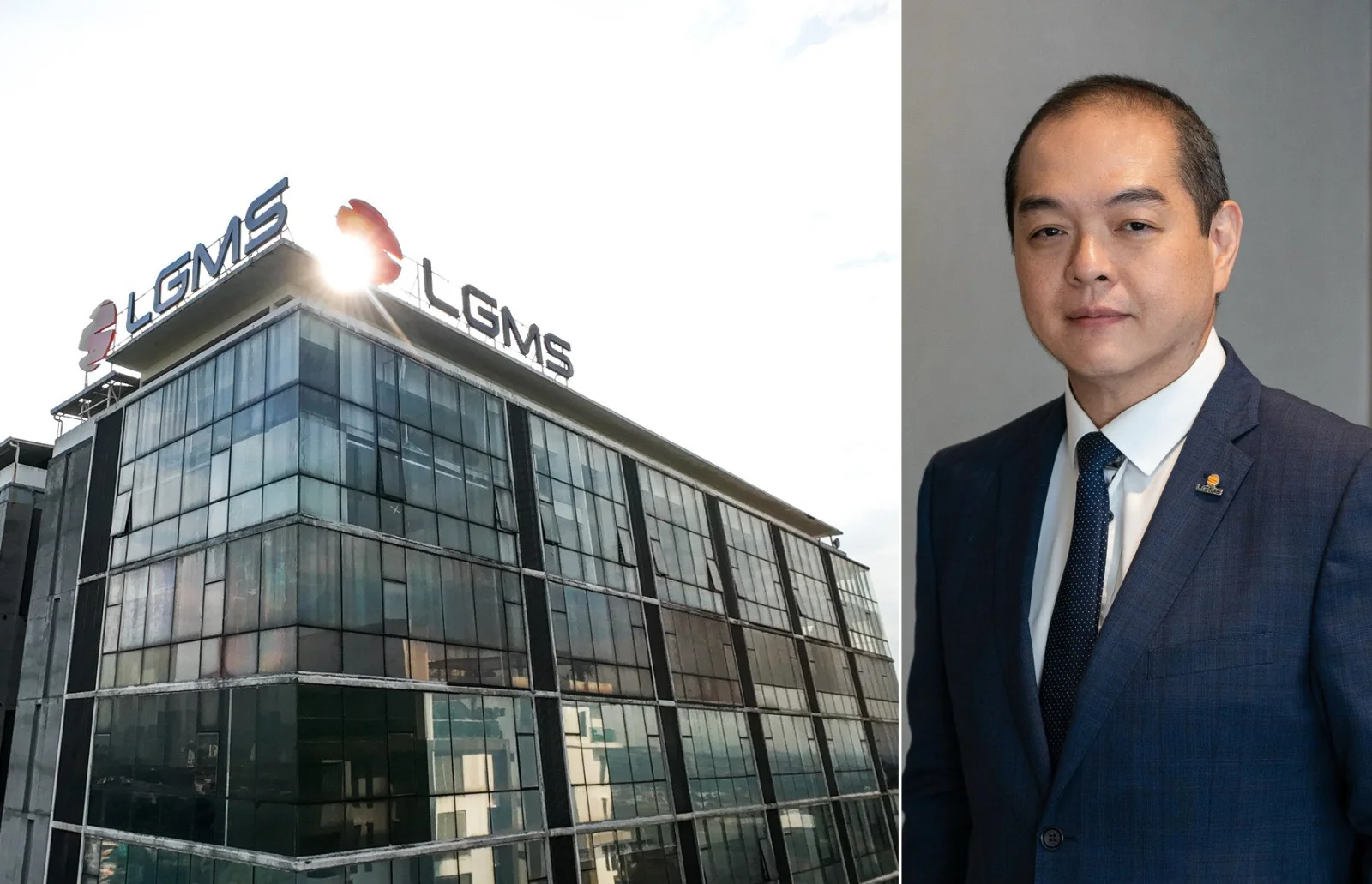
“Our plan is to create a subscription model so that we can continuously service the client,” he said. Under this model, customers receive ongoing security assessments and updates, while LGMS gains greater revenue visibility.
Fong said LGMS aims for AI-driven solutions to eventually contribute approximately 30% of group revenue (although no specific timeframe has been set), with a longer-term aspiration of achieving an equal contribution from AI solutions and conventional services.
“When we have AI-based solutions, we are more scalable,” he said, adding that subscription arrangements could also strengthen customer retention.
Faster Attacks Lift Incident Response Demand
The transformation comes as cybersecurity threats grow, with AI-powered attacks becoming more sophisticated and widespread.
LGMS has observed incidents in Malaysia where attackers went from discovering an exposed vulnerability to compromising an organisation’s systems in less than four hours.
As a result, incident response has become the company’s fastest-growing segment. Demand has reached a point where LGMS must be selective about the customers it serves.
Although incident response commands comparatively higher margins, Fong noted that it remains highly dependent on experienced cybersecurity professionals.
He indicated that conventional prevention services typically generate margins above 20%, compared with about 40% or higher for incident response.
However, he expects AI-enabled services to deliver better margins over time, supported by lower manpower needs and the ability to scale through software.
LGMS AI Solutions Target Larger Enterprises First
Responding to questions on the subscription strategy, Fong explained that LGMS is gradually moving its new AI offerings and selected conventional services to recurring subscriptions.
The proprietary AI agents developed by LGMS run on locally hosted computing infrastructure. This reduces reliance on external AI platforms and their usage charges. Customers can deploy the solutions on LGMS-supplied hardware or on compatible infrastructure they already have.

The five recently commercialised solutions cover AI application security assessment, automated source code review, compromised credential monitoring, external digital exposure discovery and deception-based threat detection. They were launched last month by Minister of Science, Technology and Innovation Datuk Chang Lih Kang and Deputy Minister of Communications Teo Nie Ching.
Fong said the solutions have drawn encouraging early responses, with LGMS prioritising larger enterprises and existing customers before expanding into other industries.
The company has also recently secured an order from a bank for the nationwide deployment of its complementary StarSentry vulnerability-scanning solution.
Building Towards Managed Cybersecurity Services
Asked whether rising cybersecurity enquiries were translating into sustainable business, Fong said he was confident demand would stay strong as organisations increasingly recognise the importance of continuous protection.
“I think this is going to be a long-term game,” he said, pointing to the growing use of autonomous AI agents by cybercriminals.
Looking ahead, Fong said LGMS is developing more advanced AI capabilities that could eventually automate not only threat detection and assessment but also defensive responses during cyber incidents.
The longer-term ambition is to offer integrated, AI-enabled managed cybersecurity services that span prevention, detection and response. That would position LGMS to capitalise on growing demand while building a more scalable, recurring revenue business.