

The Baa Atoll Biosphere Reserve in the Maldives has spent 15 years showing that island communities and resorts can protect a reef system together. Its best-known site, Hanifaru Bay, draws large gatherings of manta rays and whale sharks each year. For travellers and planners across Asia, it offers a working model of tourism that pays for conservation and local projects.
What the Baa Atoll Biosphere Reserve Protects
Baa Atoll joined UNESCO’s World Network of Biosphere Reserves on 30 June 2011, at a Man and the Biosphere (MAB) council meeting in Dresden, Germany. UN News reported that it was one of 18 new sites that year, and the first for the Maldives.
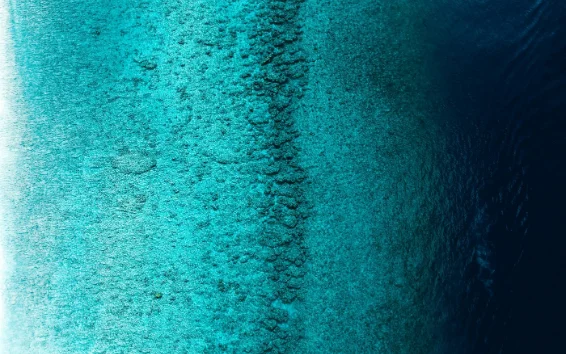
UNESCO’s reserve profile lists an area of about 144,000 hectares, almost all of it sea. The atoll has 75 islands, 13 of them inhabited, and a population of around 15,000. Tourism is the main source of income, while tuna and reef fishing and handicrafts remain important to island life.
Biosphere status is not a ban on activity. The idea is to protect the most sensitive areas while helping people live and work sustainably around them. In Baa, that means fishing, guesthouses and resorts carry on alongside a growing network of protected sites.
How the Baa Atoll Biosphere Reserve Is Co-managed
Management is shared rather than run from the capital alone. A dedicated Baa Atoll Biosphere Reserve Office works with the national Environmental Protection Agency (EPA), atoll and island councils, resorts, liveaboard operators and local NGOs.
The money side sits with the Baa Atoll Conservation Fund (BACF), set up as a trust fund on 18 April 2012. A Maldives government summary of the fund shows a nine-seat board. It includes the Baa Atoll Council, local NGOs, two resort representatives, the liveaboard association, the EPA and the reserve office. That mix gives islanders and businesses a direct say in how funds are spent.
Hanifaru Bay: The Heart of the Reserve
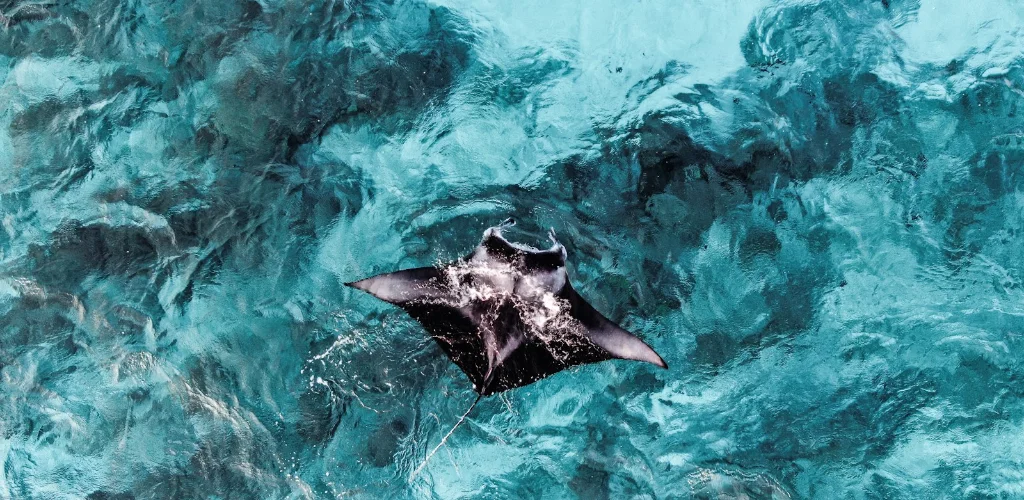
Hanifaru Bay is a small lagoon on the eastern edge of the atoll. It was declared a marine protected area in 2009, and a management plan has been in force since 2012. From roughly May to December, monsoon currents push plankton into the bay. Mantas and whale sharks follow. The Manta Trust has recorded more than 1,800 individual reef mantas at Hanifaru, with up to 247 feeding there at once.
Visits are tightly controlled. The main rules include:
- A cap on the number of boats and people in the bay at any one time
- Snorkelling only, with no scuba diving and no fishing
- Groups led by certified Hanifaru guides
- A paid access permit for each visitor
Rangers from the reserve office patrol the bay, check permits and remind guests of the code of conduct. Since 2015, they have been on site almost every day during the season.
Turning Tourism Fees Into Community Projects
Fees from access permits, photography and filming permits and guide exams flow into the BACF, together with resort partnership payments. According to the government summary, the fund took in about MVR 2.1 million (roughly US$140,000) in 2018. Access permit income more than doubled from 2017 to 2018.
That money pays for rangers, a patrol boat and the reserve office. It also goes back to the islands. The first grant round, worth US$100,000, backed seven local projects, including:
1. Skills and Livelihoods
Thulhaadhoo Council ran a two-year lacquer-work training course, a craft the island is known for, and 28 of 30 trainees finished it. A youth group in Eydhafushi offered outboard engine repair training.
2. Greener Islands
The Maalhos women’s committee opened a composting centre for organic waste in June 2015. In Kihaadhoo, 20 farmers joined an organic farming project.
3. Learning and Awareness
Kendhoo School ran a turtle conservation forum for students, building pride in the reef from an early age.
Biosphere Status Spreads South
Baa’s example has travelled. On 28 October 2020, UNESCO’s MAB council added Addu City and Fuvahmulah City in the far south, so the Maldives now has three biosphere reserves. Rangers from those sites have trained alongside Baa’s team, sharing what works.
What Comes Next for the Baa Atoll Biosphere Reserve
As of November 2026, the Manta Trust estimates the Maldives is home to around 4,000 reef mantas, the largest known population in the world. Baa remains one of the best places to see them. With councils, resorts and rangers now sharing the job, the reserve is well placed to keep tourism income flowing into conservation and island projects for years to come.
Related reading: Community Forestry in Nepal: How 23,000 Local Groups Helped Bring the Forests Back