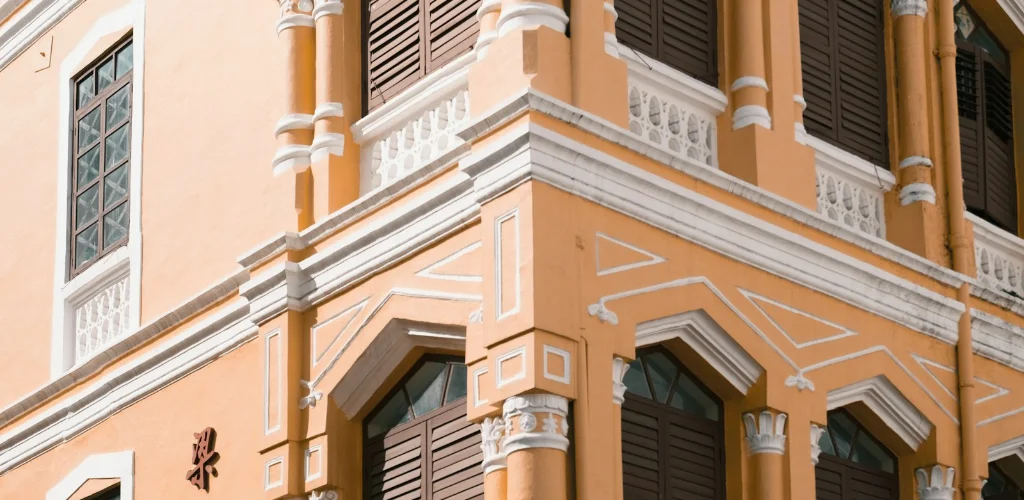

The Historic Centre of Macao packs more than four centuries of East-West history into a few walkable streets. Inscribed on the UNESCO World Heritage List in 2005, it links temples, churches, fortresses and squares across the old city. This guide covers what the site includes, how to explore it on foot and how to get there from elsewhere in Asia, with practical details as of November 2026.
What the Historic Centre of Macao Covers
According to UNESCO, the listing protects 22 principal buildings and public spaces that together show how the old trading port was laid out. The Macao SAR Government portal adds that the site includes eight squares: Barra, Lilau, St Augustine’s, Senado, Cathedral, St Dominic’s, Company of Jesus and Camões.
The monuments range widely in style and purpose. Some highlights include:
- A-Ma Temple, a Chinese temple beside Barra Square near the southern tip of the peninsula.
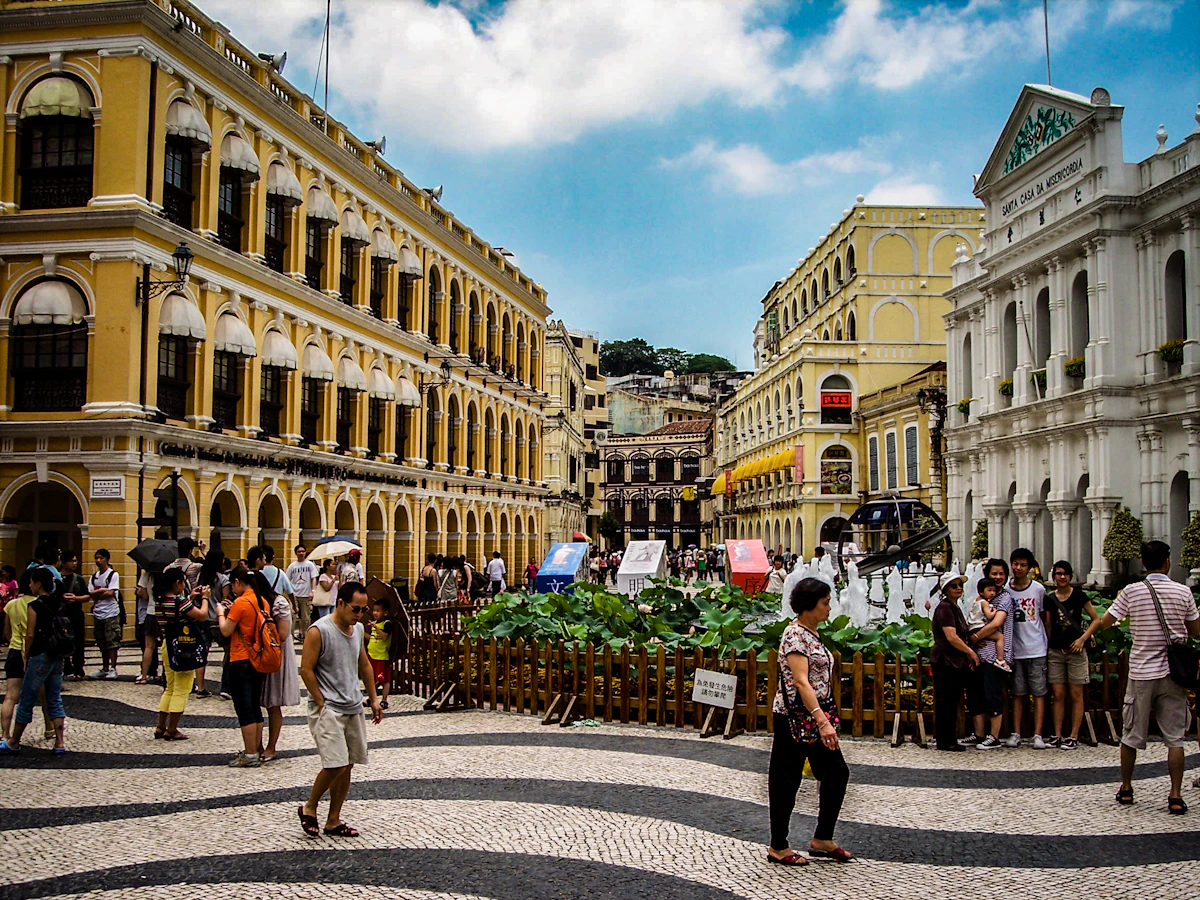
- Senado Square, the paved heart of the old city, lined with pastel colonial façades.
- Ruins of St Paul’s, the carved stone front of a former church, which mixes European design with Chinese characters.
- Mount Fortress, an old defensive post with views over the city.
- Guia Fortress, counted as one monument together with its chapel and the Guia Lighthouse, which UNESCO describes as the oldest lighthouse in China.
Smaller gems in between include Chinese clan halls, churches, a Protestant cemetery and family mansions.
Exploring the Historic Centre of Macao on Foot
Most of the core monuments sit within a compact area of the Macao Peninsula. Walking is the easiest way to see them, as many streets near Senado Square are narrow and pedestrian-friendly.
1. Start in the south
Many visitors begin at A-Ma Temple and Barra Square, then head north through Lilau Square and St Augustine’s Square. This stretch shows quieter residential lanes and some of the oldest parts of the settlement.
2. Continue to Senado Square
Senado Square makes a natural midpoint. The Macao Government Tourism Office’s walking-tour guide lists nearby stops such as the IAM Building, St Dominic’s Church and Sam Kai Vui Kun, a Chinese temple, all of which it marks as free to enter.
3. Climb to St Paul’s and beyond
From Senado Square, gently rising lanes lead to the Ruins of St Paul’s and Mount Fortress next door. Travellers with more energy can continue east to Guia Hill for the fortress, chapel and lighthouse.
Allow at least half a day for the main sights, or a full day to explore at an easy pace. Comfortable shoes help, as some routes involve steps and slopes.
Opening and Entry Basics
Squares and streets are open public spaces. Many temples, churches and exhibition halls on the route are free, but each sets its own hours. As of November 2026, the MGTO walking guide shows most listed venues opening between about 9am and 10am and closing between 5.30pm and 9pm, with a few closing one day a week. Check the Cultural Affairs Bureau or MGTO websites before you go, as hours can change for holidays and events. Dress modestly in places of worship.
Getting There from Hong Kong and Beyond
Most international visitors arrive through Hong Kong or the Greater Bay Area. As of November 2026, the main options are:
- Ferry: High-speed ferries run from Hong Kong to the Outer Harbour terminal on the Macao Peninsula and to Taipa, taking about an hour, according to Cathay Pacific’s travel guide.
- Hong Kong-Zhuhai-Macao Bridge: Shuttle buses cross the bridge around the clock, with frequent departures at peak times.
- Light Rail: The Taipa Line now reaches Barra station on the peninsula after an extension opened in December 2023, as reported by Railway Gazette. Barra sits close to A-Ma Temple, a handy start for a northbound walk.
Local buses and taxis link the ferry terminals and bridge border post with the old city.
Why the Historic Centre of Macao Matters
Macao was a Portuguese-administered trading port from the mid-16th century until it returned to Chinese sovereignty in 1999. UNESCO calls the site a record of the earliest and longest-lasting encounter between China and the West. That meeting shows in the buildings, but also in daily life, from street names in two languages to food, festivals and faith traditions that sit side by side. Its dining scene, from street snacks to Chef Tam’s Seasons, also wins global recognition.
For travellers in Asia, the Historic Centre of Macao offers a rare chance to see how cultures can share one small city for centuries. With improving transport links across the Greater Bay Area, it is easier than ever to add a heritage walk to a regional trip and experience that story first-hand.