



Women entrepreneurs in Nepal run more than a quarter of the country’s businesses, yet many still struggle to find capital, training and buyers. This guide sets out the main sources of support available as of November 2026, from subsidised bank loans to national business networks and donor-backed programmes. For readers across Asia, it also shows how a lower-income economy is building practical routes for women to grow their firms.
Why women entrepreneurs in Nepal matter
Nepal’s first National Economic Census, run by the Central Bureau of Statistics with a reference date of April 2018, counted 923,356 enterprises. According to figures released by the bureau, roughly 248,000 were owned by women, or more than a quarter of the total.
Most of these firms are small. The census found that women owners were most common in wholesale and retail trade, followed by accommodation and food services, and then manufacturing. Helping them borrow, upskill and sell further afield is a clear way to lift household incomes.
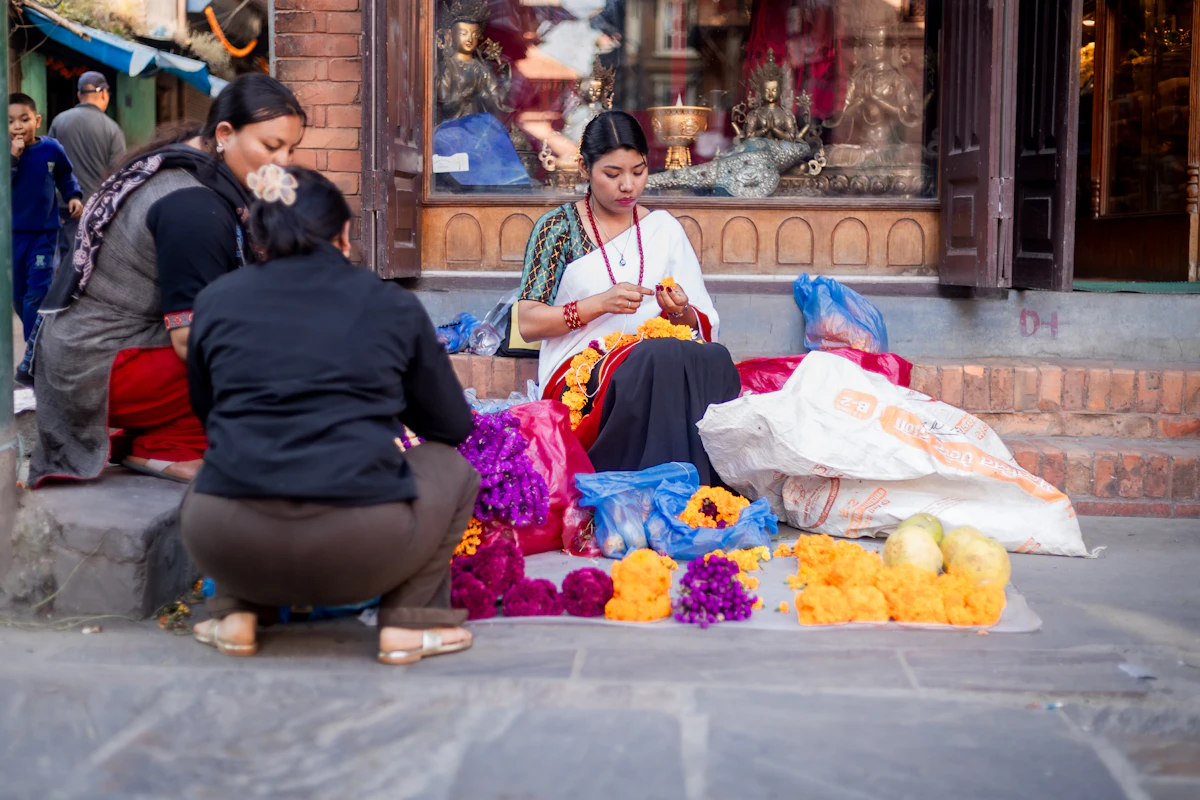
Subsidised loans for women entrepreneurs in Nepal
The most direct form of help is the government’s concessional loan scheme, which is delivered through commercial banks and other licensed lenders under rules set by Nepal Rastra Bank, the central bank.
In August 2025, the Ministry of Finance approved a revised Procedure on Interest Subsidy for Concessional Loans, and the central bank issued directives to lenders to apply it. As reported at the time, the key changes for women were:
- The maximum loan for women entrepreneurs rose from Rs 1.5 million to Rs 2.5 million.
- The government’s interest subsidy became a flat 3 percentage points, down from 6 points under the earlier 2018 rules.
- Lenders may give weight to the strength of the business project and to group guarantees, rather than relying only on property as collateral.
Borrowers should note that the subsidy can be withdrawn if a loan is used for a purpose other than the one approved. In that case the subsidy already received must be repaid. Banks are expected to monitor how funds are used, so a clear business plan and good records matter.
Networks for women entrepreneurs in Nepal
Finance is only part of the picture. Mentoring, peer contacts and access to markets often make the bigger difference for a young firm. India’s SEWA movement shows how far such networks can grow. Two types of network stand out.
1. Federation of Women Entrepreneurs’ Associations of Nepal
The Federation of Women Entrepreneurs’ Associations of Nepal (FWEAN) is the main national body for women business owners. Based in Kathmandu, it works through district associations. In June 2025, it completed its expansion to all 75 districts with a new chapter in Bhojpur. Its work covers networking, capacity building, policy advocacy and market linkages. For a new entrepreneur, the local district association is usually the easiest first contact.
2. Local government offices
Local cottage and small industry offices handle registration, and municipalities run skills programmes. Ask both about women-focused support, as offers vary by area.
Support from development partners
International partners add further help, often aimed at regions with fewer services.
- Empowered Women, Prosperous Nepal: This 2023–2026 programme is backed by the European Union and the Government of Nepal. It is delivered by the ILO, UNFPA, UNICEF and UN Women in Madhesh, Karnali and Sudurpaschim provinces. It offers certified vocational training, business coaching, seed funding and market links. UN Women reported that by May 2025, 569 of a targeted 1,500 women had been trained.
- Asian Development Bank: In November 2023, the bank approved a project with Global IME Bank to expand lending to small and medium-sized enterprises, with a focus on women-owned firms. It includes a USD 1.3 million grant to lower interest costs for women-owned SMEs. A further contingent grant of up to USD 1 million helps cover part of the bank’s loans made without collateral.
Practical tips for getting started
- Register your business formally. Most loan and grant schemes require it.
- Prepare a simple business plan with costs, expected sales and how you will repay.
- Visit two or three banks and ask directly about the women entrepreneurs’ concessional loan.
- Join your district women entrepreneurs’ association for training, contacts and trade fairs.
- Check with your municipality and provincial office for current training or seed-fund calls.
Scheme rules in Nepal are reviewed often, usually with each annual budget, so loan limits and subsidy rates can change. Readers should confirm the latest terms with their bank or the relevant ministry before applying. With growing networks and better-targeted finance, women entrepreneurs in Nepal have more routes to grow than ever before.