

KOTO Vietnam is a hospitality school and restaurant group that has spent more than 25 years turning kitchens into classrooms. This guide explains how the Hanoi-based social enterprise began, how its two-year training works and how it pays its way. It also looks at why its approach matters for youth employment across Asia.
The Founding Story of KOTO Vietnam
KOTO stands for “Know One, Teach One”. The idea is simple: knowledge is meant to be passed on. Its founder, Jimmy Pham, was born in Vietnam in 1972 and grew up in Sydney after his family moved to Australia.
According to the Australian Embassy in Vietnam, Pham first returned in 1996. In Saigon he met young people living on the streets. When he asked what they needed, their answer was practical. They wanted skills that would lead to stable jobs.
Pham made a long-term commitment to stay. In 1999 he opened a small sandwich shop in Hanoi, close to the Temple of Literature. His first team was nine young people. The shop gave them work experience, a steady routine and a place to learn.
That shop grew quickly. KOTO set up a dedicated Training Centre in Hanoi in 2001. It is now widely described as Vietnam’s first recognised social enterprise.
How KOTO Vietnam Training Works
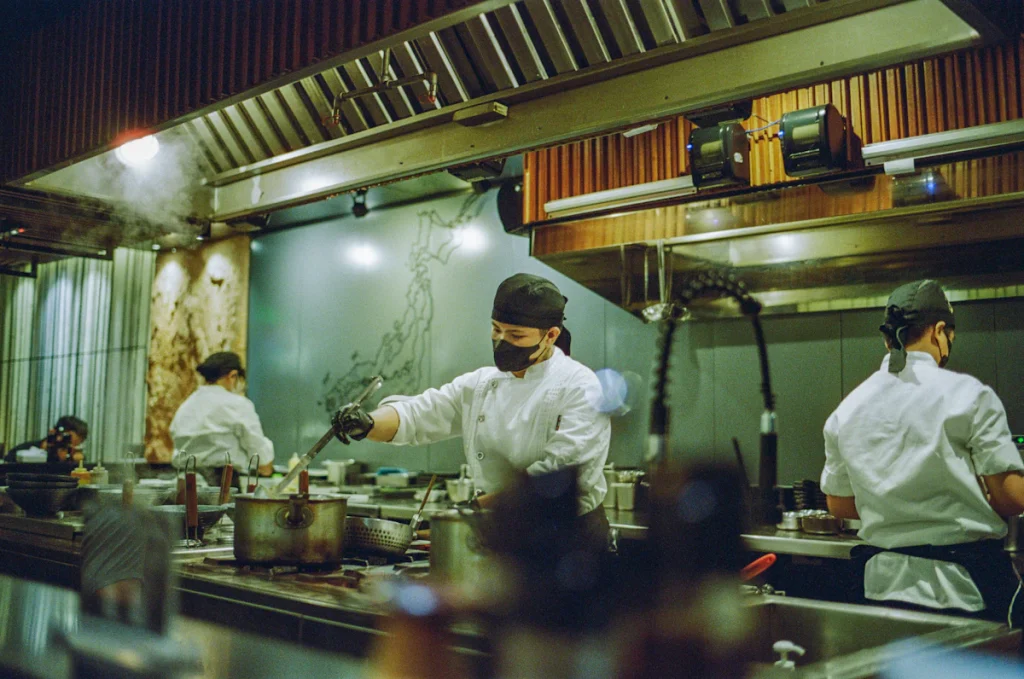
The core offer is a 24-month hospitality programme for at-risk and disadvantaged young people. Trainees learn by doing. Classroom lessons sit alongside real shifts in KOTO’s own training restaurant.
Reporting on the 2022 graduation by Viet Nam News lists what the programme covers:
- Vocational training in cooking or front-of-house service
- English language lessons
- Life skills
- Computer skills and literacy
Trainees choose a path in either the kitchen or front-of-house service. The aim is to build confidence as well as technical ability.
International Accreditation with Box Hill Institute
A key strength of KOTO Vietnam is its link with Australia’s Box Hill Institute. According to KOTO, the institute accredited its hospitality training in 2002. KOTO later became an extended campus of Box Hill.
Graduates receive a Box Hill Institute Certificate III in Commercial Cookery or a Certificate III in Hospitality. This gives them a qualification that is recognised by employers outside Vietnam, not just at home.
Outcomes: What Graduates Achieve
As of November 2026, KOTO’s official website says it has supported more than 1,700 graduates over 25 years. RMIT University Vietnam cited the same figure in 2024 when it awarded Pham an honorary doctorate.
The organisation trains about 150 young people each year. It also reports full job placement on graduation. Its alumni now work in hotels and restaurants across Vietnam, and some run their own businesses. Others have built careers in Australia, Germany, New Zealand and Singapore. A small number have won scholarships to study in Australia.
Since 2016, KOTO has also run Her Turn. This project builds hospitality and business skills for young women from rural and ethnic minority communities. It began with support from the Australian Government.
How KOTO Vietnam Is Funded
KOTO uses a blended model. Its restaurants and catering services in Hanoi and Ho Chi Minh City earn revenue while giving trainees live work experience. Every meal served supports the next class.
This income is topped up by donors, sponsors, corporate partners and volunteers. A sister organisation, KOTO International, raises funds and builds partnerships abroad. In 2023, work began on a new vocational centre in Bac Ninh Province, backed by a long-standing Vietnamese foundation partner. It was planned to double yearly training capacity from 150 to 300 places. SEWA India offers another example of a community-built enterprise funding its own growth.
Why KOTO Vietnam Matters for Youth Employment in Asia
Many Asian economies have young, fast-growing workforces. Tourism and hospitality are major employers across the region. Yet many young people lack the skills, networks or qualifications to enter these jobs.
KOTO shows one way to close that gap. It pairs long-term training with paid, real-world practice. It links local learning to an international qualification. And its restaurants help fund the mission instead of relying only on grants.
The model also creates a cycle of mentoring. Alumni return as staff, trainers and sponsors, true to the “Know One, Teach One” name. For governments, educators and businesses looking at youth employment, KOTO offers a tested and practical example.
To learn more, visit the KOTO official website.