

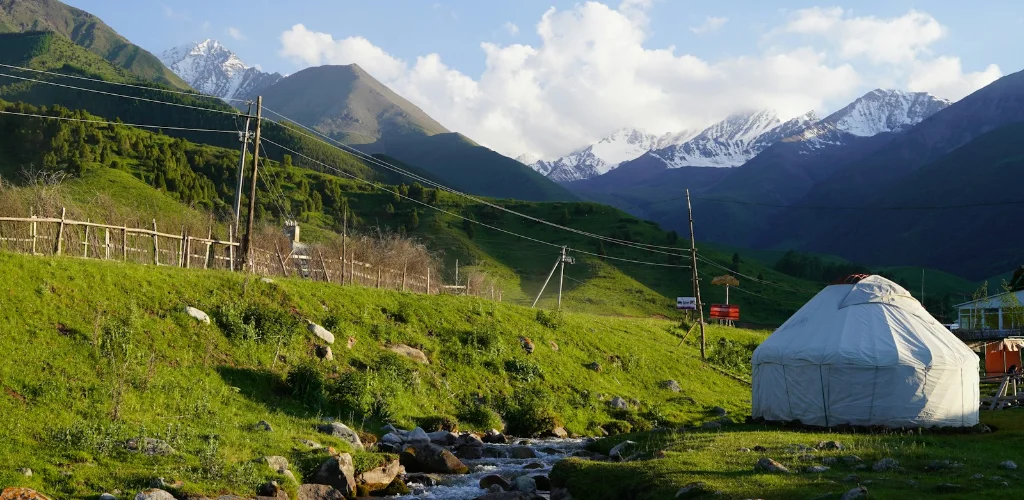

Kyrgyzstan’s mountain villages have built one of Central Asia’s best-known models of community-based tourism. This guide explains how CBT Kyrgyzstan began, how travellers can use it, and why it matters for rural families. For readers across Asia, it offers a practical example of tourism that keeps money and pride in local hands.
How CBT Kyrgyzstan Began
The idea took root in the late 1990s in Kochkor, a small town about two hours’ drive from Bishkek. A Swiss couple who had settled there began working with farming families to welcome adventure travellers. The early offer was simple: bed-and-breakfast rooms, nights in a yurt, horse treks and traditional felt carpets.
In 1999, the Swiss development organisation Helvetas began structured support through its Community-Based Tourism Project, according to a Helvetas project review. The first local CBT group formed in Kochkor in May 2000. Other villages followed. Helvetas then encouraged the groups to join forces, and the national umbrella body, the Kyrgyz Community Based Tourism Association (KCBTA), was registered on 3 January 2003.
Helvetas funded the work for six years on a modest budget, focusing on training coordinators and members, study visits and new tour products. It also introduced participatory planning and simple rules on transparency and accountability. By 2013, KCBTA reported that the network had become financially self-sustaining.
How CBT Kyrgyzstan Works for Travellers
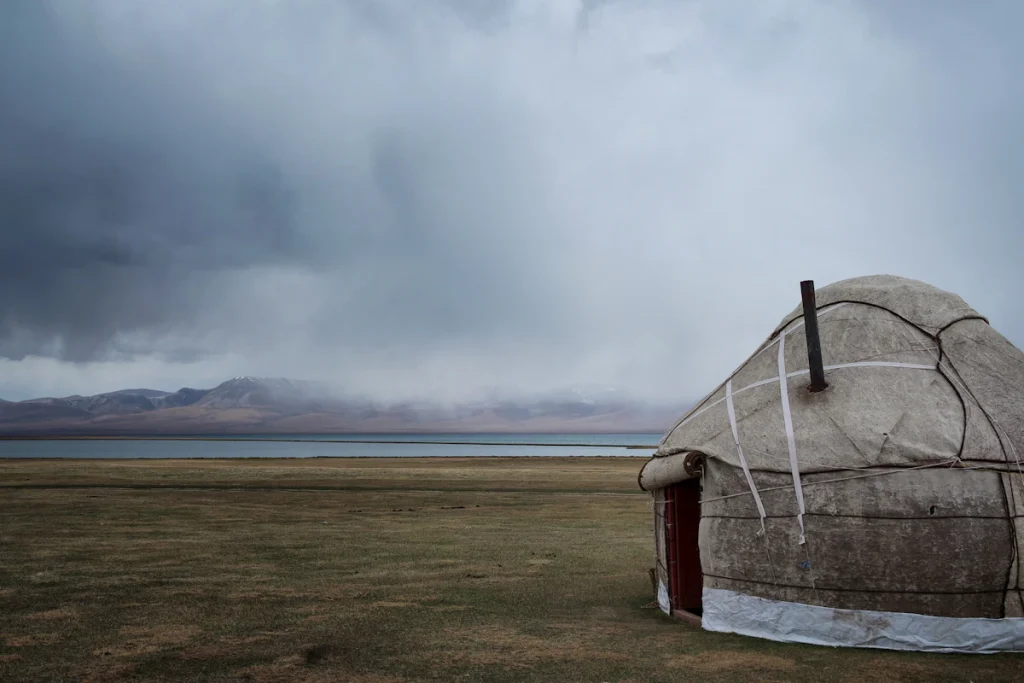
The network is made up of independent local groups, each based in a destination community. As of November 2026, the association’s website describes 17 active CBT groups across most of the country, with a central office in Bishkek. Each group has a coordinator who matches guests with host families, guides and drivers.
Travellers can contact the national office or a local group directly. Many Kyrgyz tour operators also book CBT services on behalf of their clients. Typical services include:
- Homestays in family guesthouses, often with home-cooked meals
- Nights in yurts on summer pastures (jailoo)
- Horse rides and multi-day treks with local guides and horse owners
- Felt-making and other craft demonstrations
- Transport with local drivers between villages and trailheads
Homestays are graded under an “Edelweiss” rating of one to three flowers. This helps guests know what comfort to expect. Facilities are often basic, so it is wise to confirm details before travelling.
Benefits of CBT Kyrgyzstan for Local Communities
1. Income that stays in villages
Guest spending on rooms and meals flows straight to host households. The Helvetas review found that in 2013 about 1,000 families earned around US$420,000 together through CBT. Around 700 other local providers, such as guides, cooks, drivers and craft makers, also gained income. Families have used the money to add showers and toilets, buy assets and pay for their children’s schooling.
2. A stronger role for women
Most CBT guesthouses are run by women. Research cited by Helvetas found that the network supports women’s economic and social empowerment. Hosting gives many women their own income without leaving their villages.
3. Keeping crafts alive
Felt carpets were part of the CBT offer from the start. Two traditional types, shyrdak and ala-kiyiz, were added by UNESCO to its List of Intangible Cultural Heritage in Need of Urgent Safeguarding in 2012. The skill is usually passed from older to younger women in rural areas. Visitors who watch, learn or buy help give this craft a living market. A similar idea of local stewardship guides the Baa Atoll Biosphere Reserve in the Maldives.
CBT Kyrgyzstan and the Country’s Tourism Growth
Kyrgyzstan’s tourism sector has grown fast. The country earned about US$1.1 billion from foreign visitors in 2025, up from about US$1.0 billion in 2024, according to National Statistical Committee data reported by The Times of Central Asia. Border data showed nearly 21 million entries by foreign citizens in 2025, although this counts crossings rather than individual tourists, and most come from neighbouring countries.
Within this boom, CBT serves a smaller but important market of independent and adventure travellers. Its value lies less in volume and more in spreading benefits to remote areas that large hotels rarely reach. Other operators have also opened guesthouses in CBT towns, showing how the model has encouraged wider local enterprise.
For travellers from Malaysia, Singapore, Korea or Japan seeking authentic mountain journeys, CBT offers an easy way in. For tourism planners across Asia, it shows how small, well-run village groups can grow into a lasting national network.
To learn more, visit the CBT Kyrgyzstan official website.