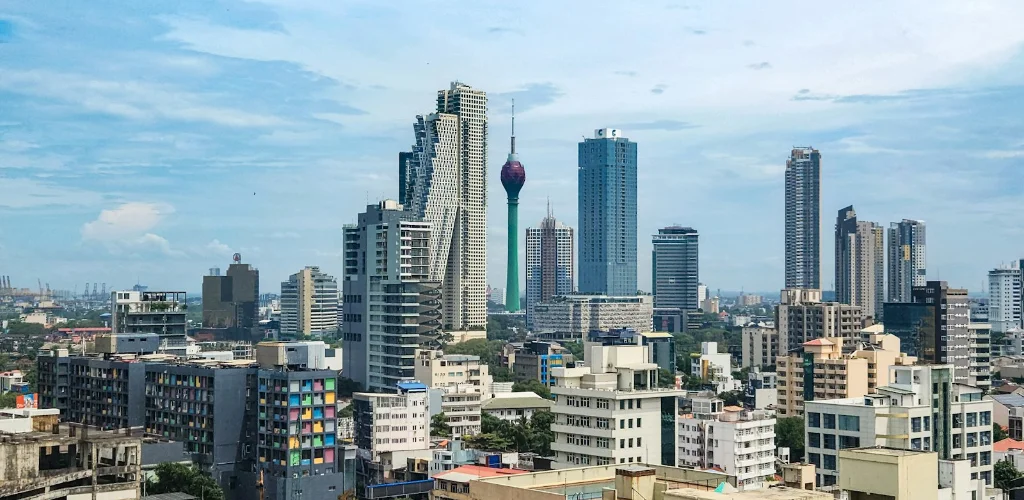

Sri Lanka has proposed new investment incentives and a fresh investment promotion body in its 2027 budget. The plan offers larger write-offs to export manufacturers and tourism developers that commit at least US$3 million. For companies across Asia looking at South Asian production or hospitality bases, the measures could change the cost of building in Sri Lanka.
The proposals form part of the 2027 Budget Speech, presented to Parliament on 12 November 2026 by President Anura Kumara Dissanayake, who also holds the finance portfolio. Like all budget measures, they take effect once approved and, where needed, written into law.
Sri Lanka Investment Incentives: The 200% Capital Allowance
The headline measure is an optional enhanced capital allowance. Qualifying enterprises could deduct 200% of their qualifying capital expenditure when calculating taxable income. The proposal, set out in the tax section of the published speech text, would apply from 1 April 2027.
The main conditions are:
- The enterprise must be approved by, and operate under an agreement with, the Board of Investment of Sri Lanka (BOI).
- It must be engaged in export-oriented manufacturing or tourism development.
- The minimum qualifying investment is US$3 million.
- Manufacturing and non-hotel tourism projects must be completed within three years. Hotels get five years.
- Firms that opt in cannot also claim existing capital allowances under the Fourth Schedule, or enhanced allowances under the Second Schedule, of the Inland Revenue Act.
According to tax advisers’ summaries of the budget, the new allowance does not depend on where in the country a project is located. That sets it apart from some existing concessions. In practice, investors would need to compare the new option against their current incentive package before choosing.
The garment sector has welcomed the export focus. The Joint Apparel Association Forum, as reported by the Daily FT, has asked whether the US$3 million threshold could be lowered so that smaller manufacturers can also benefit.
A New Agency to Attract Investors
The budget also proposes a dedicated investment promotion company that would be wholly owned by the Treasury. It would be staffed by professionals with private-sector and international experience, with market-based pay. EconomyNext reports that the model draws on the government’s existing GovTech company.

Alongside the new body, the speech outlines several steps to make investing simpler:
- A National Single Window for Investment, with bids for a consultant now under evaluation and Rs. 100 million allocated.
- An officials’ committee to cut delays in allocating state land to investors. It would recommend concessions based on a project’s national importance, the jobs it creates and its location.
- Electricity tariff concessions and other support for selected data centre investors.
Legal Reforms Behind Sri Lanka’s Investment Push
Several legal changes are meant to give investors more certainty. A draft Investment Protection Bill has been sent to the Attorney General for clearance. It covers protection of investor assets, fair and equal treatment, compensation and dispute settlement.
A Public-Private Partnership bill has been gazetted and is expected to go before Parliament in early 2027. Work has also begun on laws to grant permanent residency to investors, linked to the size of their investment. Reforms to customs and labour laws are also planned.
Also read: CREATE MORE Act: How the Philippines’ Investment Incentives Work in 2026
What the Sri Lanka Investment Incentives Mean for Asian Investors
For manufacturers in East and South-East Asia that are spreading their supply chains, Sri Lanka offers an established apparel base and port links on major shipping routes. A 200% allowance would lower the effective tax cost of new plants and machinery during the early years of a project.
Hotel groups and tourism developers in the region may also look closely at the five-year completion window. It recognises that resort and hotel projects usually take longer to build than factories.
The country is also pursuing wider trade links. The speech notes that Sri Lanka has applied to join the Regional Comprehensive Economic Partnership (RCEP), the trade agreement that covers much of the Asia-Pacific.
Investors will want to watch for the detailed rules. These include how qualifying capital expenditure is defined, how the BOI will process applications, and when the new agency starts work. Clearer guidance is expected as the budget moves through Parliament and amendments to the Inland Revenue Act are drafted ahead of the April 2027 start date.