



The ASEAN Digital Economy Framework Agreement was signed in Manila on 14 November, giving Southeast Asia its first stand-alone, legally binding rulebook for digital trade. The pact aims to cut paperwork, make payments work across borders and set common rules for data. For businesses selling online across the region, it could make expansion simpler and cheaper.
ASEAN Digital Economy Framework Agreement: What Was Signed
Ministers signed the agreement, known as DEFA, at the 28th ASEAN Economic Community Council Meeting, held alongside the 49th ASEAN Summit. The ASEAN Secretariat called the signing a major milestone in the region’s digital transformation. The signed document was handed to ASEAN Secretary-General Dr Kao Kim Hourn at the summit opening on 15 November.
Negotiations began in 2023 and wrapped up this year. Thailand chaired the negotiating committee, The Nation reported. Thailand’s Commerce Minister Suphajee Suthumpun described DEFA as the world’s first regional digital trade agreement.
What DEFA Covers
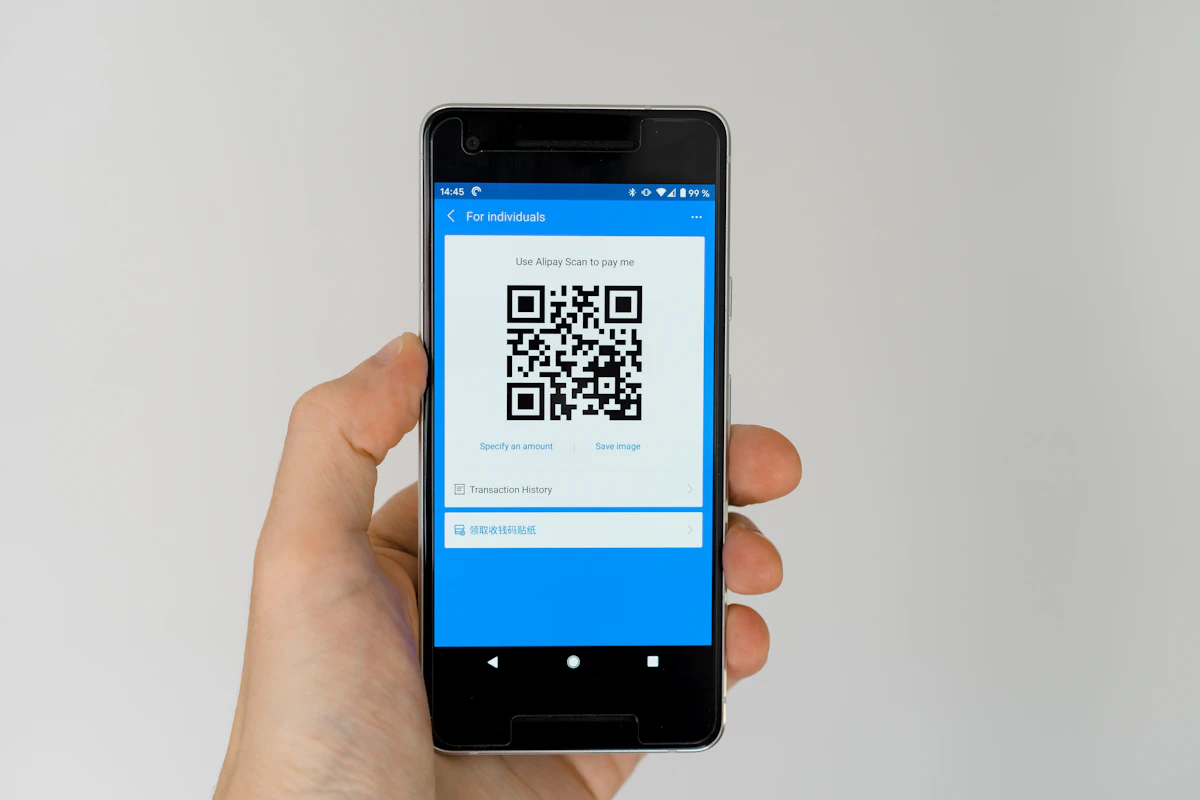
The agreement brings many digital topics under one framework. According to Euronews, it widens acceptance of electronic invoices, shipping documents and signatures, which should reduce paperwork for traders. It also supports payment systems that work together across countries, so firms can pay suppliers and receive money from overseas customers more easily.
DEFA sets rules for moving commercial and financial data across borders and limits demands to store data locally. Exceptions remain for privacy, business confidentiality and national security. Countries may also adopt some measures at different speeds, reflecting different levels of digital readiness.
Thailand’s commerce ministry said the pact also covers artificial intelligence, submarine cables, personal data protection, online consumer protection and cybersecurity, including responses to scams. It includes regulatory sandboxes to help startups and small firms test new ideas, plus digital identity verification.
Consumers should benefit too. Shared standards on online consumer protection and scam responses are meant to make cross-border shopping safer. Paperless trade and electronic payments can also shorten delivery times and lower the cost of buying from sellers in neighbouring countries. Over time, this could give shoppers more choice and give small online sellers access to a market of more than 650 million people.
Also read: DuitNow QR Overseas Payments Go Live in Five Markets via Alipay+
Why the ASEAN Digital Economy Framework Agreement Matters
Southeast Asia’s online economy is already large and growing. A study by Google, Temasek and Bain & Company forecasts that transactions in the region’s main digital sectors will reach US$368 billion this year and pass US$1 trillion by 2035.
Until now, a business selling into several ASEAN markets has faced different rules in each one. Common standards should lower costs, especially for micro, small and medium enterprises that cannot afford large compliance teams. Thailand expects gains for sectors such as digital content, games, software, tourism and agriculture.
Funding support is also on the way. The Asian Development Bank announced an initiative to raise up to US$5 billion in public and private funds by 2030 for digital infrastructure, cross-border payments, online identity checks and cybersecurity, Euronews reported.
Kok Ping Soon, chief executive of the Singapore Business Federation, said in a statement released by Singapore’s trade ministry: “The key measure of success will be what businesses experience on the ground.”
What Happens Next
Member states now need to complete their domestic ratification. The ASEAN Secretariat expects DEFA to enter into force in early 2027, while Singapore’s trade ministry has said it takes effect 180 days after signing, around May 2027. Once in force, it will replace the 2019 ASEAN Agreement on Electronic Commerce.
Governments also plan to explain the new rules to companies, especially small firms, so they can use them. If that work succeeds, a seller in one ASEAN country should find it easier to reach customers across the whole region in the years ahead.