

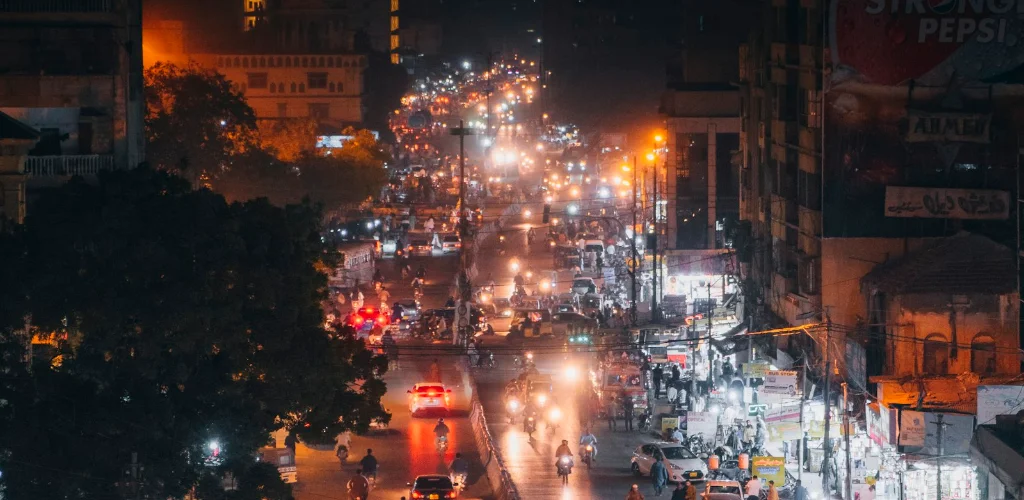

The Edhi Foundation shows how a small act of care can grow into a national lifeline. Starting from one modest clinic in Karachi, it became one of the best-known volunteer welfare networks in the world. For readers across Asia, it is a practical example of community service built on trust and small donations.
How the Edhi Foundation Began
Abdul Sattar Edhi was born in 1928 in Gujarat, in what was then British India, and moved to Pakistan in 1947. As a boy he cared for his ailing mother, an experience the foundation itself describes as the start of his lifelong concern for others.
According to Gulf News, he opened a single clinic in a poor part of Karachi in 1951. He worked alongside his wife, Bilquis Edhi, a trained nurse. Together they turned a small dispensary into a charity that people could rely on day and night.
What the Edhi Foundation Runs Today
The foundation now covers far more than medical care. Its official website lists a wide range of services. As of November 2026, the main ones include:
- More than 1,800 emergency vehicles, including ambulances
- More than 140 shelters for people without a home
- Homes and care for orphans and abandoned infants
- Hospitals, a missing-person search service and a free community kitchen
- Graveyard and burial services for those who cannot afford them
- Marriage bureau, employment schemes and an animal hostel
Figures vary between sources, so it is best to treat them as a guide. Gulf News, for example, describes more than 300 centres and shelter for over 5,700 people in 17 homes across the country. The scale is clear either way: this is a large, round-the-clock operation.
A Record-Setting Ambulance Service
The ambulance service is the best-known part of the work. Guinness World Records lists the Edhi Foundation under the title “Largest volunteer ambulance organisation”. Its entry describes a radio-linked fleet working across Pakistan. The entry does not show a clear date, and the fleet has grown since it was written.
The idea is simple, and it remains at the heart of the service. Trained volunteers and drivers respond to emergencies at any hour, and the service is open to anyone who calls. Help does not depend on who you are or what you can pay.
Small Donations Behind a Large Network
Funding is the most striking part of the story. The foundation says it is supported mainly by voluntary donations from individuals. Gifts range from a few rupees to much larger sums. Many supporters also give food, clothing and medicines, and some volunteer their time at centres and kitchens. It adds that its founder chose not to accept government money.
That model has a clear lesson. A large number of small gifts can sustain a serious public service when people trust the organisation. The foundation also warns donors to give only through its official site, because lookalike websites exist.
Also read: Akhuwat Pakistan: Interest-Free Loans That Lift Millions of Homes
The Legacy of the Edhi Foundation
Abdul Sattar Edhi died on 8 July 2016 at the age of 88. Bilquis Edhi continued the work and died in 2022. Their son, Faisal Edhi, now leads the foundation. Edhi was known for living simply and for working alongside volunteers, and his example still shapes how the foundation operates.
The foundation has since opened a new appeal for the Bilquis Edhi Hospital, showing that the founders’ vision is still growing.
What Other Communities Can Learn
The story offers three lessons that travel well across Asia. First, start small and serve a real local need. Second, build trust through transparency and personal example. Third, invite everyone to take part, because small gifts and volunteer time add up.
To learn more, visit the Edhi Foundation official website.