


In Luang Prabang, northern Laos, a small Lao-run publisher has spent two decades making books fun for children who once had almost nothing to read. Big Brother Mouse began by printing simple stories in the Lao language and carrying them to rural schools. Its journey shows readers across Asia how a local idea can grow into a lasting movement for reading.
How Big Brother Mouse Began
The story starts in 2003. Sasha Alyson, an American who had once run a small publishing house in Boston, visited Laos as a tourist. He was struck by one thing: he did not see a single book for children. Most families had little to read beyond old textbooks.
Rather than try to fix the whole school system, he set a smaller goal. He would help start a publishing project. In 2006 the team received what was reported to be the first publishing licence in Luang Prabang, as the Christian Science Monitor described. Young Lao people joined him from the start. They included a waiter who dreamed of writing and a young novice monk. Khamla Panyasouk became its original owner, and the project has been Lao-owned ever since.
The first five books came out in March 2006. Its slogan has stayed the same ever since: books that make literacy fun.
What the Publisher Prints
The catalogue is wide and colourful. Early readers learn with picture books, rhymes, counting books and “I Can Read!” titles. Older children can enjoy folk tales from Lao, Hmong and Khmu traditions, as well as Aesop’s fables and stories from Africa.
There are also adapted classics such as Treasure Island, Heidi and Black Beauty. Non-fiction titles cover animals, dinosaurs, inventions, world history and health. Many titles are in Lao only, while others are bilingual in Lao and English.
Importantly, many books are written and illustrated by Lao people. That means children see their own language, culture and humour on the page.
Big Brother Mouse Book Parties
Books alone do not create readers. So the team invented the book party. The first one took place in a rural school at the end of 2006. Within a few years, the parties were reaching hundreds of villages each year.
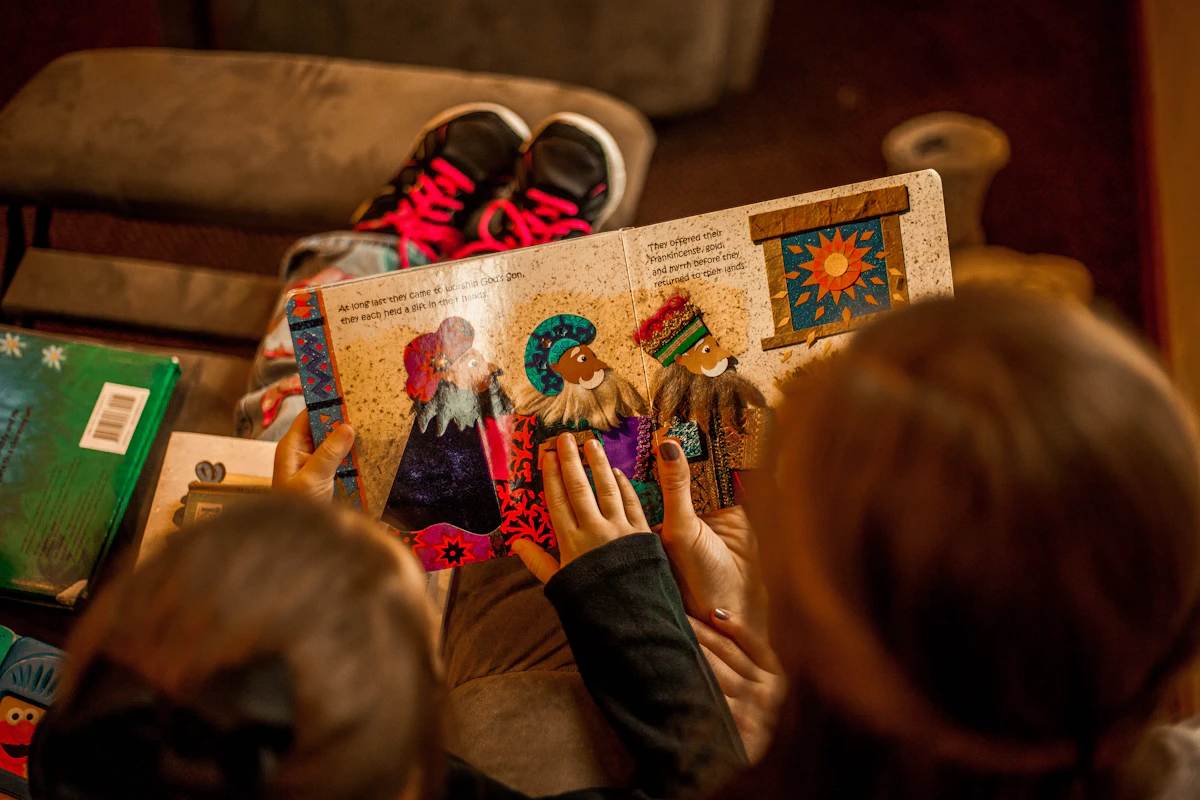
According to its book party page, each event is a lively half-day visit. Staff arrive with students from the organisation’s own schools. Together they read aloud, act out a fairy tale, play games outdoors and sing songs about books. Every child and teacher then picks a free book to keep. The school also receives books for a small library, plus learning games and posters.
The parties now focus on a small group of chosen schools, which the team visits again and again. They run from the third week of September until the end of April.
From Books to Big Brother Mouse Schools
Over time, the project moved beyond publishing. In September 2016 it opened its first school, Big Sister Mouse, in Nasai Village near Luang Prabang. Teachers there read aloud daily and help pupils tell their own stories. The school says nearly all its students can read by the end of first grade.
Two more Big Sister Mouse schools followed, in 2019 and 2024. Across its wider network, the official website says it now serves 4,200 students at 12 schools, as of November 2026. It has also secured land for a new school with a high school section to train future teachers, and is raising funds to build it.
How to Support Big Brother Mouse
There are several ways for locals, donors and travellers to help, according to the organisation’s website:
- Sponsor a book party: donors are invited to give about US$300 to US$400 per party. Visitors can no longer attend the parties in person.
- Join activities in Luang Prabang: visitors can spend a day at a school or join activity sessions, playing games and chatting in English with young Lao people.
- Buy books: shops in Luang Prabang and Vientiane sell titles, many priced at around 10,000 to 60,000 kip, which can be gifted to village children.
- Donate: general gifts help build schools and expand teacher training.
Also read: Laos-China Railway: A Traveller’s Guide to Stations, Tickets and Trains
Why It Matters for Rural Laos
For a child in a remote village, owning a book can be a first. Stories in their own language make reading feel natural. Children who enjoy reading tend to keep learning, ask questions and imagine bigger futures.
Big Brother Mouse also shows that change can be led from within. Students from its own schools now help lead book parties for other children.
To learn more, visit the Big Brother Mouse official website.