


Malaysians travelling abroad increasingly expect the same convenience they have at home: scan a QR code, make a payment and stay connected without spending too much time setting things up.
Wise is responding to that shift by expanding Wise QR payments Malaysia users can access overseas, while introducing customisable eSIM plans within the same app. Malaysian customers are among the first globally to receive the combined travel features.
The move reflects a wider change in travel across Asia. Digital payments have become part of daily life, but crossing a border can still mean dealing with unfamiliar QR systems, cash withdrawals, separate wallets and roaming arrangements.
QR Payments Move Beyond National Borders
QR payments are common across many Asian markets, particularly among smaller merchants. The difficulty for travellers is that many domestic systems were originally designed around local bank accounts and mobile wallets.
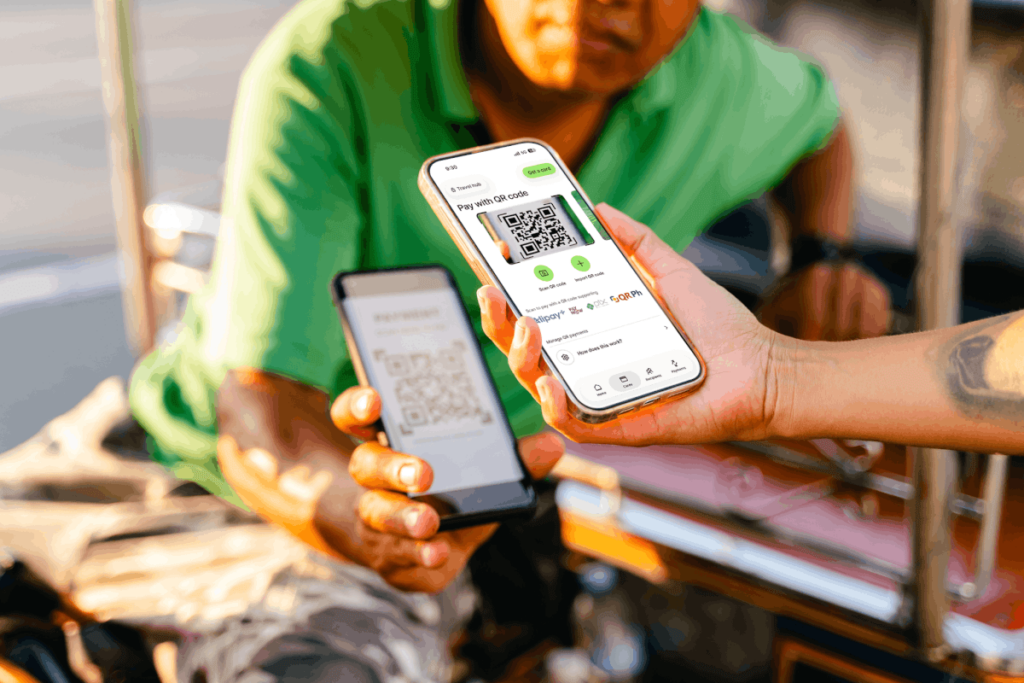
Wise says its app now supports QR payments across more than 50 destinations. Malaysian customers can already use DuitNow QR locally, while overseas support includes payment networks such as PayNow in Singapore, QR Ph in the Philippines, Swiss QR-bill in Switzerland and Qvik in Hungary.
Wise has also connected with Alipay+ to extend payment access across markets including the Chinese mainland. Eligible travellers can use the Wise app at supported Alipay+ merchants without setting up a separate local payment app, according to the company.
This matters most at street level. Smaller food outlets, independent shops and other local businesses may depend more heavily on domestic QR payments than international cards.
Payment Barriers Remain a Travel Problem
The launch comes as payment access remains an issue for international travellers.
A Wise-commissioned YouGov survey covering 14,000 travellers across 10 countries found that 61% had encountered payment hurdles abroad. Among surveyed Malaysian adults who had travelled internationally during the previous 12 months, 91% reported payment difficulties.
The survey also found that 73% of Malaysian respondents had missed local experiences such as buying from street food vendors or independent artisan shops because of payment barriers.
For Malaysia’s fintech sector, the development shows how domestic payment habits are beginning to influence expectations overseas. Consumers who regularly use QR payments at home increasingly want similar simplicity when travelling.
Customisable eSIM Targets Another Travel Friction Point
Payments are only one part of the problem. Travellers also need mobile data as soon as they arrive.
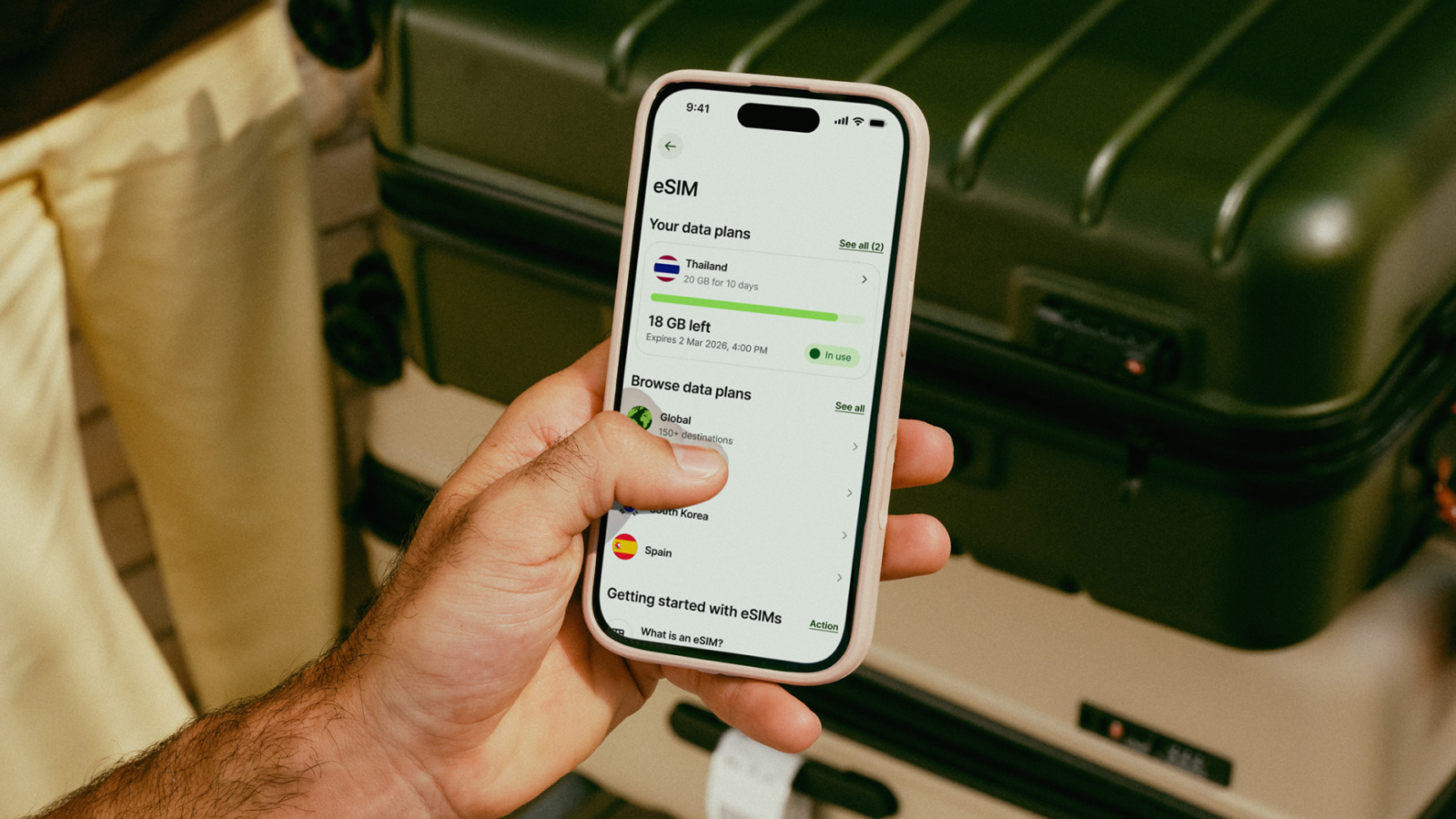
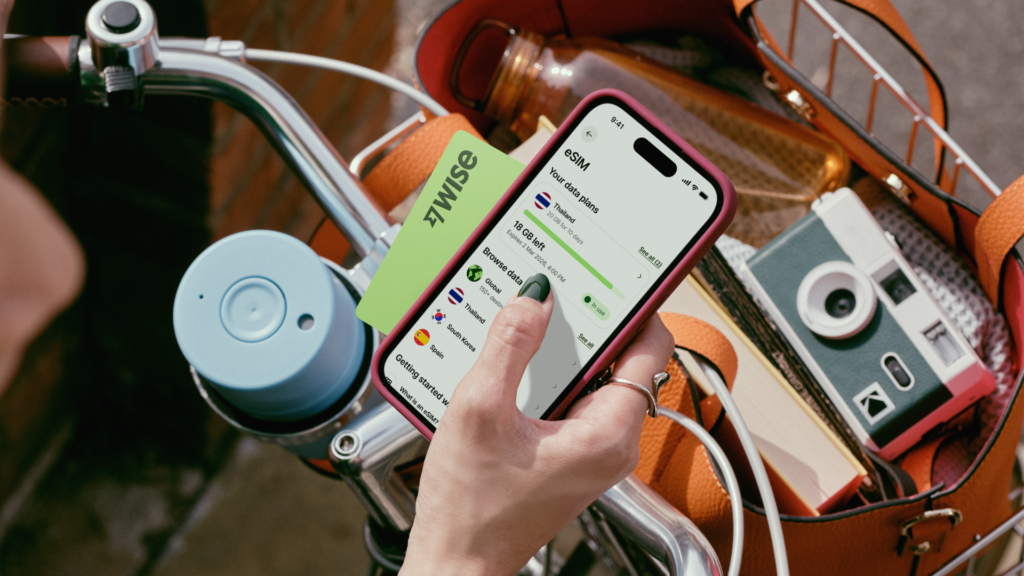
Wise’s new eSIM offering covers more than 150 destinations through regional plans. Customers in Malaysia and selected other markets can also build their own plan by choosing the amount of data and number of days they require.
The eSIM only needs to be installed once. Users can then purchase data through the app for later trips, with activation taking place when the device connects to a supported network at the destination.
Wise says customers can also receive refunds for purchased data plans that remain unused. In-app estimates are provided to help travellers decide how much data they may need.
One App for More of the Travel Journey
Bringing connectivity and payments together points to a broader trend in consumer technology: reducing the number of services travellers need to manage separately.
Wise already offers other travel-related functions, including an ATM locator, pay-as-you-go airport lounge passes and tools for splitting multi-currency bills.
“Malaysians want to travel for authentic local experiences, but juggling different e-wallets or searching for a money changer just to pay a local street vendor is frustrating,” said Yen Ting Chiam, Malaysia Country Manager at Wise.
The company said its QR payment and eSIM features are available to eligible Wise Account customers.
What This Means for Malaysia’s Digital Economy
For consumers, the immediate benefit is convenience. Travellers may have fewer apps to configure and more ways to pay smaller merchants that rely on local QR networks.
There is also a wider regional impact. Connecting domestic payment systems across borders could make it easier for tourism spending to reach small businesses, rather than remaining concentrated among merchants that accept international cards.
Malaysia’s strong familiarity with QR payments also gives local consumers a natural starting point for this shift. As payment networks become more connected across Asia, the line between domestic and international digital payments could gradually become less noticeable.
Looking Ahead
Travel technology is moving away from separate tools for money, connectivity and trip management. Wise’s latest rollout is one example of financial technology becoming part of that wider travel infrastructure.
For Malaysian travellers, the practical test will be how consistently these services work across destinations and local merchants. If cross-border QR access continues to expand, paying overseas could eventually feel much closer to scanning DuitNow QR at home.