

Travel platforms are moving beyond accommodation booking. Airbnb’s latest product update points to a broader shift, where artificial intelligence, recommendations from people travellers know, and services at the destination are brought into one platform.
The new Airbnb AI travel planning features aim to shorten the journey from searching for a destination to choosing a home and preparing for a stay. Alongside AI tools, Airbnb is adding social travel features and expanding services such as meal delivery, laundry and baby gear rentals.
For Asia’s travel sector, the wider direction is worth watching. Digital platforms increasingly compete not only on available accommodation, but also on how easily travellers can plan and manage an entire trip.
Travel Recommendations Become More Social
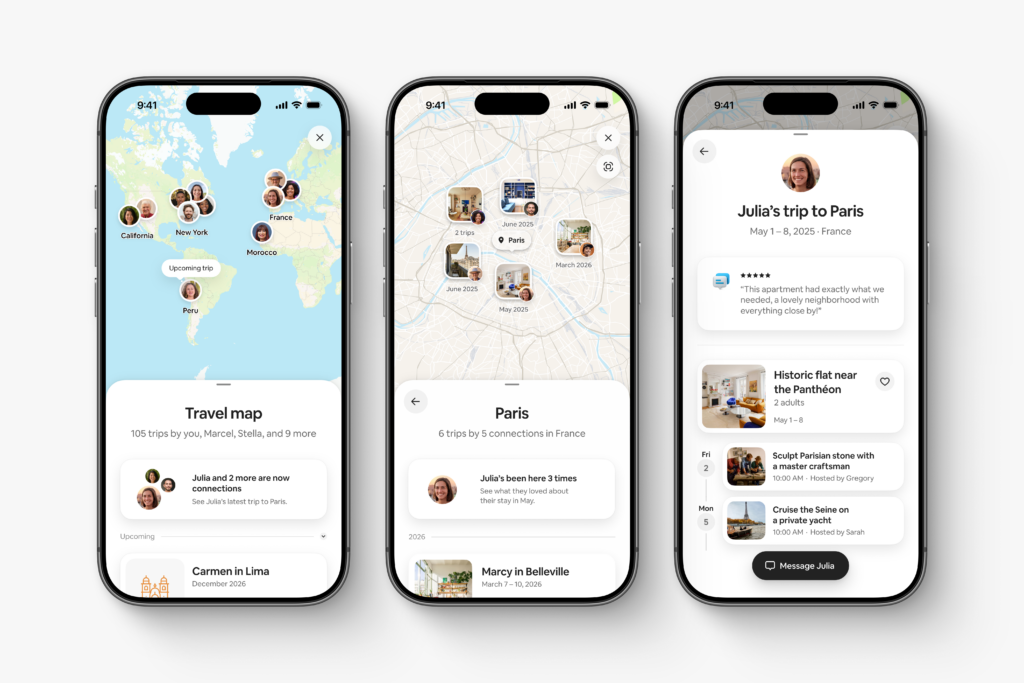
One of the biggest changes is a new way for users to connect with family, friends and previous travel companions on Airbnb.
Once connected, users can see trips their connections choose to share. An interactive Travel Map shows places they have visited or plan to visit, including accommodation and selected experiences or services.
Travellers can also read reviews from their connections, save places to a wishlist and message people directly through the app.
Privacy controls remain part of the feature. Users can decide which trips appear on their map, limit what they share, remove trips or block connections.
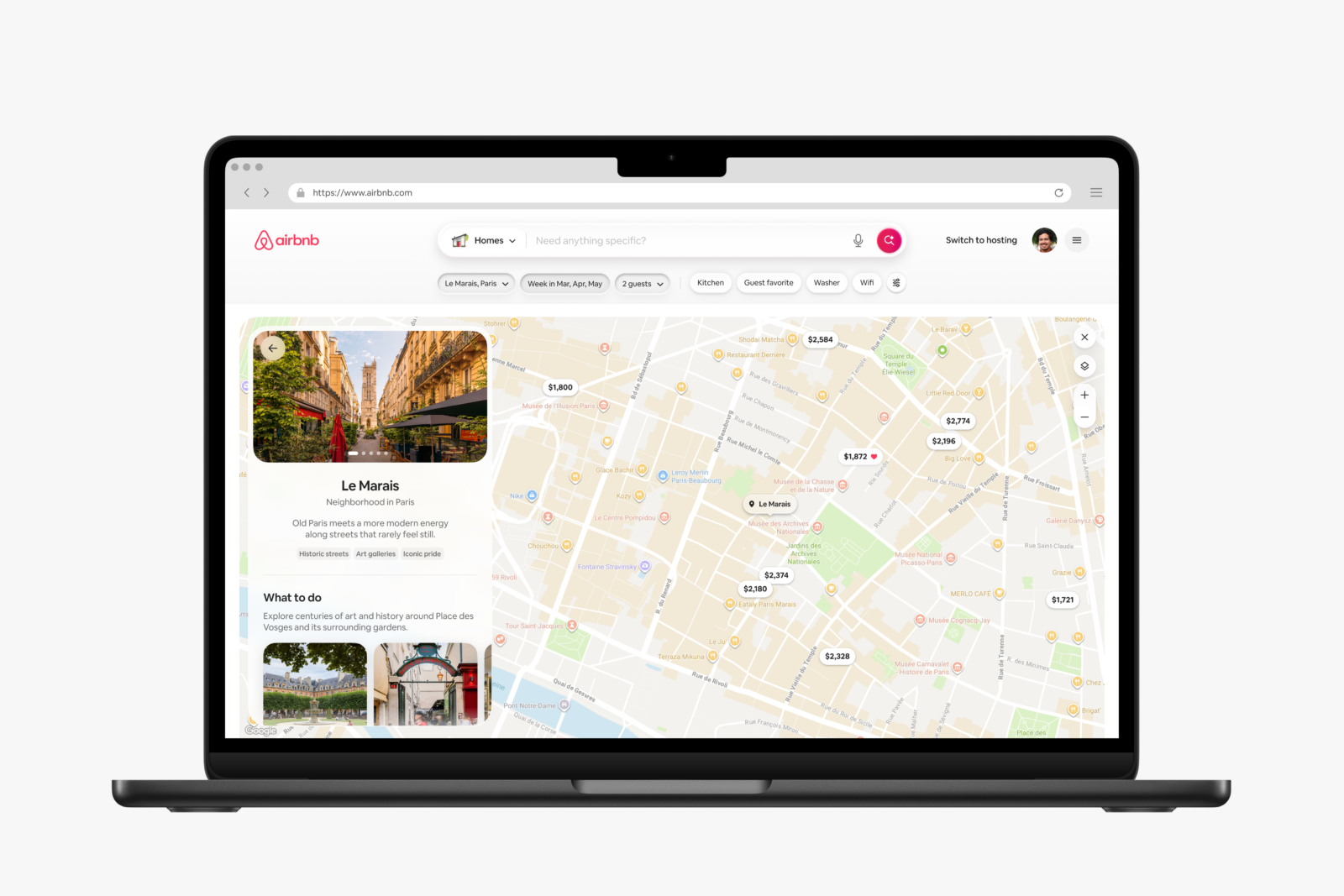
Airbnb is also introducing neighbourhood pages with information about an area’s character, food, transport and activities. The feature is starting in Paris, with more neighbourhoods expected later.
AI Takes a Bigger Role in Trip Planning
The update also puts AI deeper into the booking process.
Starting in the United States, travellers will be able to search homes, experiences and services using natural language or voice. Instead of navigating multiple filters manually, users can describe what they need.
Typing “baby”, for example, can surface relevant filters such as cribs, playgrounds and children’s books or toys.
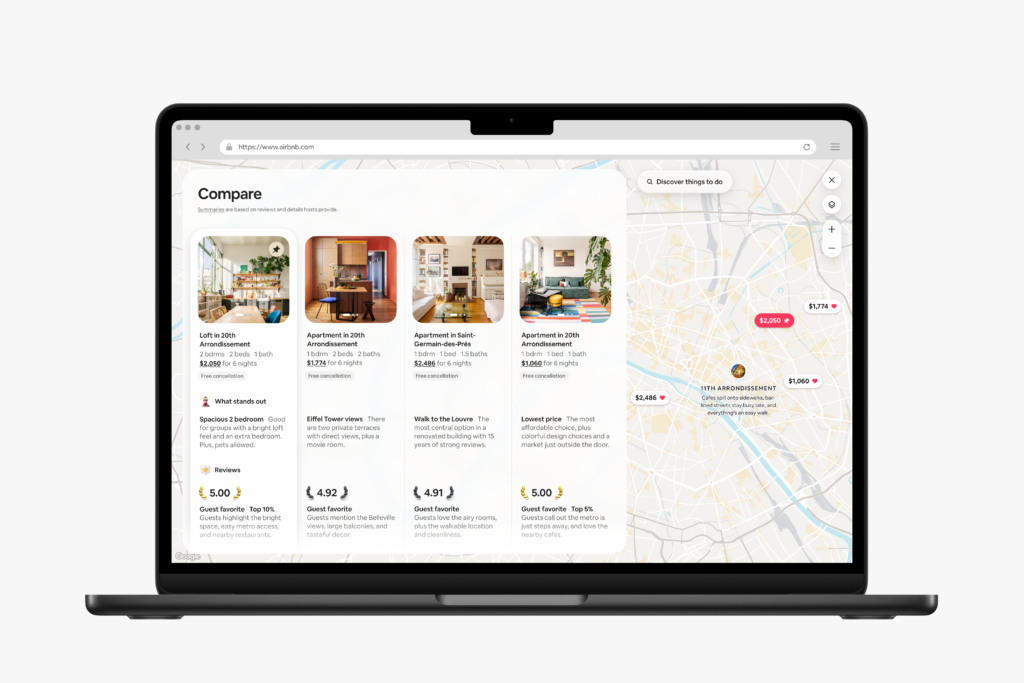
Search results will also include AI-generated descriptions highlighting important features of a property. Travellers comparing shortlisted homes can use a side-by-side view supported by AI summaries.
Customer support is another area getting AI assistance. Airbnb says its AI-powered chat support is available in more than 50 languages, with voice support also being expanded.
New Services Extend Beyond Accommodation
Airbnb is also expanding services that travellers can arrange around their stays.
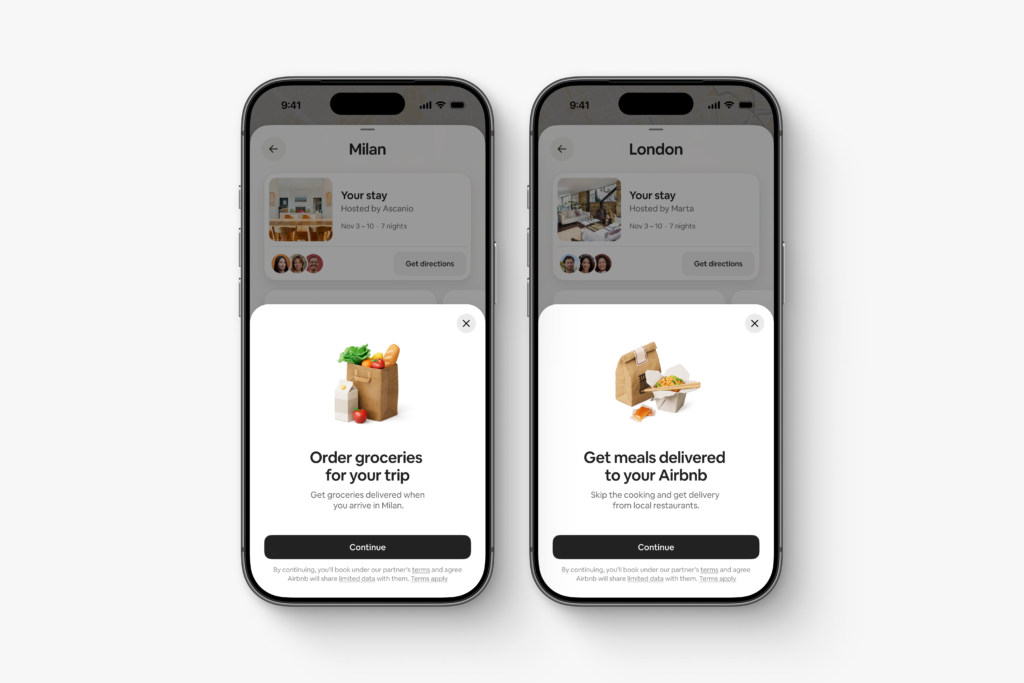
These include meal delivery from local restaurants in selected European cities and expanded grocery delivery in Europe. In selected US cities, travellers can arrange laundry pickup and delivery through Rinse.
Baby equipment rentals are planned in more than 60 US cities through BabyQuip, while other local services include ski and snowboard equipment in the French Alps and boat rentals in South Florida. Availability varies by location.
While many of these services are initially limited to Western markets, the model has wider relevance for Asia.
A broader service ecosystem could create more opportunities for local restaurants, activity providers, transport operators and other small businesses if similar offerings expand into Asian destinations.
Hosts Get More Data and Pricing Tools
The changes are not limited to travellers.
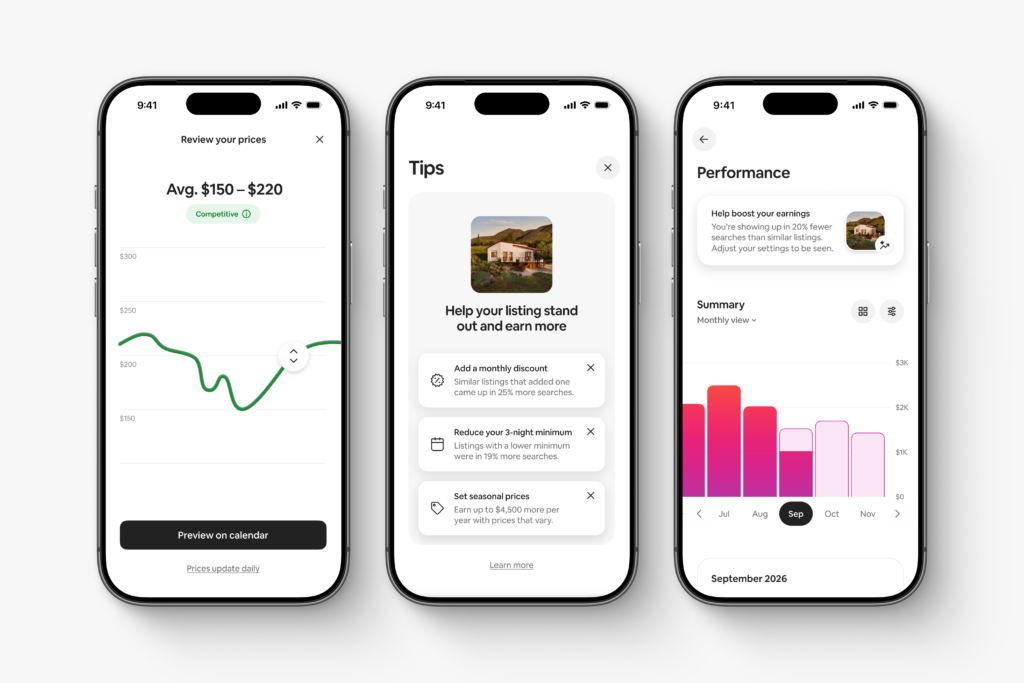
Airbnb plans to introduce tools that help hosts manage multiple listings, pricing and performance. A multi-listing calendar will allow hosts to update availability, discounts and other settings across several properties.
Dynamic pricing will recommend a price range based on supply and demand. Hosts will still be able to adjust that range themselves.
Interactive 3D floor plans are also being introduced to help guests understand property layouts before booking. AI-generated dashboard insights, meanwhile, will summarise host performance and suggest possible actions.
Why This Matters for Asia’s Travel Economy
Asia’s tourism sector includes millions of businesses that depend on visitor spending, from accommodation providers to restaurants and local experience operators.
Platforms that connect more of these services could make travel planning easier while widening the digital route through which smaller businesses reach visitors.
There is also a competitive dimension. As AI becomes more common in travel search and booking, travellers may increasingly expect platforms to understand conversational requests, compare options quickly and offer useful recommendations without lengthy manual searches.
For hosts and tourism businesses, that means digital capability will become increasingly important.
Looking Ahead
Airbnb’s latest update shows how travel platforms are evolving into broader trip-planning ecosystems rather than remaining simple accommodation marketplaces.
Not every new feature is available globally, and several services are currently limited to selected cities or the US and Europe. Still, the direction is clear: AI, trusted recommendations and local services are becoming more closely connected.
For Asia’s tourism economy, the longer-term opportunity lies in how these tools can eventually connect travellers with local businesses and communities while making trips easier to organise.