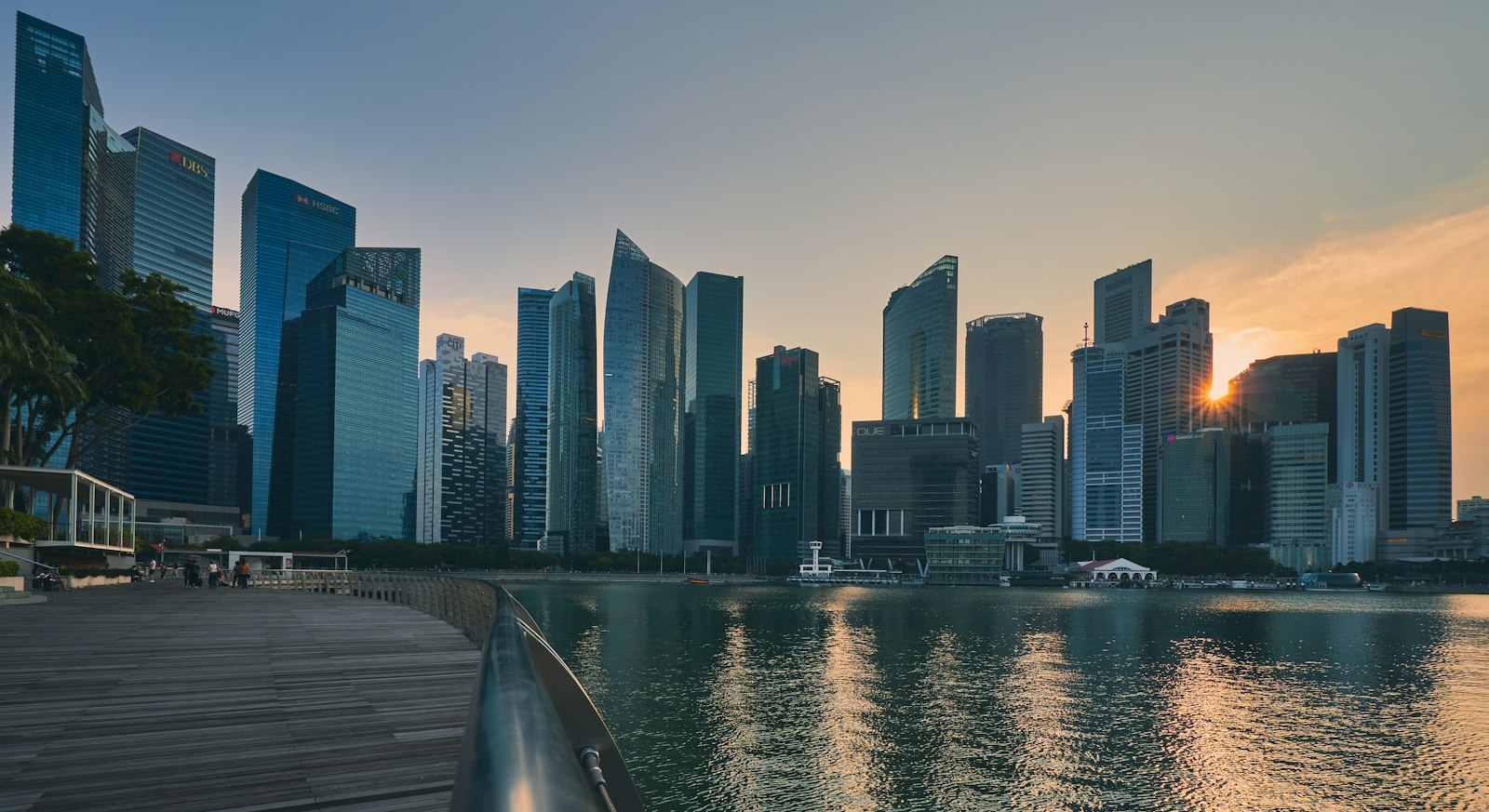

Infrastructure investment in Singapore is getting a new push from the country’s insurers. On 2 November 2026, the Monetary Authority of Singapore (MAS) announced a package of measures, including a S$30 million grant, to help insurers put more long-term capital into infrastructure and securitised assets. For a region that needs roads, power grids, ports and data networks, it is a practical step towards linking patient money with projects that take decades to pay back.
Infrastructure Investment: What MAS Announced
Chee Hong Tat, Minister for National Development and Deputy Chairman of MAS, announced the measures at the Singapore International Reinsurance Conference. The package has four parts.
First, there is a new Infrastructure Capability Development Grant for Insurers. MAS has set aside S$30 million under its Financial Sector Development Fund. The grant took effect on 2 November 2026.
Second, MAS proposes a change to how insurers hold capital against these assets. It has opened a public consultation, which runs until 18 December 2026.
Third, MAS will recognise more credit rating agencies with expertise in infrastructure and securitisation deals. Finally, it is building simpler assessment tools with the industry.
How the S$30 Million Infrastructure Investment Grant Works
The grant is aimed at skills and teams, not at the projects themselves. Insurers can use it to build dedicated infrastructure investment teams, upskill existing staff, and hire professional services to start or grow this work in Singapore.

This matters because infrastructure is a specialist asset class. Assessing a toll road, a solar farm or a data centre takes different skills from buying listed bonds. Many insurers have the long-dated liabilities that suit these assets, but not always the in-house expertise.
So who can apply? The media release names insurers as the target group but does not publish detailed rules, funding caps or a deadline. Instead, MAS asks interested insurers to approach it directly for details.
Proposed Capital Changes for Infrastructure and Securitisation
Under the consultation, MAS proposes lower capital charges for certain types of investment that carry less risk. These include:
- Rated infrastructure debt that meets set credit quality and other requirements.
- Infrastructure equity and debt with risk-reducing features, such as revenue backed by long-term contracts, limited demand risk, or support from counterparties with strong credit.
- Senior, investment-grade securitisation tranches that meet criteria on simplicity, transparency and comparability, or conditions such as portfolio diversification and liquidity safeguards.
A capital charge is the buffer of capital an insurer must hold against possible losses on an investment. Riskier assets carry bigger charges. Lower charges therefore mean insurers set aside less capital for each dollar invested in qualifying assets. As a result, well-structured infrastructure deals become more attractive to hold, while safeguards stay in place for riskier ones.
Securitisation, meanwhile, means pooling loans or other income-producing assets and repackaging them into bonds that investors can buy. These bonds come in slices called tranches. Senior tranches receive payments first and take losses last, so they carry the least risk.
Ratings and Easier Assessments
MAS will also recognise more external credit assessment institutions that specialise in infrastructure and securitisation. Agencies that meet the criteria in MAS Notice 133 can write to MAS to apply. More recognised ratings give insurers more reference points when they size up an infrastructure investment.
Alongside this, MAS and industry players are developing standard disclosure templates, clearer assessment guidance and fund manager declarations. The aim is to give insurers more consistent information and to make qualification checks quicker, without lowering due diligence standards.
How the Package Builds on Earlier Steps
The package extends earlier work. In October 2025, MAS announced differentiated capital treatment for qualifying infrastructure under its Risk-Based Capital 2 (RBC 2) framework. Those rules took effect on 31 March 2026. MAS also runs Project Verdi, a pilot that offers capital relief for sustainable infrastructure that may not meet every RBC 2 criterion.
The groundwork goes back further. For example, Singapore set up Infrastructure Asia in April 2018 to connect local and international players on joint infrastructure projects.
Why This Infrastructure Investment Push Matters for Asia
The package is part of the work of the Growth Capital Workgroup. MAS and the Ministry of Trade and Industry convened it in February 2026 to strengthen Singapore’s growth capital ecosystem. That ministry took its new name, the Ministry of Energy, Trade and Industry, on 1 October 2026. Regional finance publication Caproasia also reported the measures, highlighting the grant as a key part of the package.
The need for capital is large. The Asian Development Bank estimates that Southeast Asia needs to invest US$210 billion a year in infrastructure. That is about 5% of the region’s GDP. Across developing Asia, an earlier ADB study put climate-adjusted needs at US$1.7 trillion a year from 2016 to 2030. For more on the regional economy, see RiseAsia’s report on ADB’s 2026 growth forecast for developing Asia.
Insurers are a natural fit for this kind of investing. They collect premiums today and pay claims years or decades later, so they need assets with steady, long-term returns. Infrastructure can offer that. In his speech, Mr Chee noted that Asia Pacific insurers hold more than US$10 trillion in investable assets. However, past studies have put infrastructure at only around 1% to 2% of insurers’ assets, although there are signs it is growing gradually.
Building up the skills in Singapore strengthens the city’s role as a base for arranging and financing projects across the wider region. Mr Chee also urged insurers to get involved much earlier in a project’s life. That way, their expertise can help “shape the risk itself”.
What Happens Next for Infrastructure Investment
For industry readers, the next date to watch is 18 December 2026, when the consultation closes. The consultation paper is available on the MAS website under its 2026 consultations. Meanwhile, the grant is already open. If the capital changes go ahead, more insurance money could find its way into the projects that keep Asia’s economies moving.
To learn more, visit the Monetary Authority of Singapore official website.