



Southeast Asia tech funding reached US$13.5 billion in the first nine months of 2026. That is up 176% from US$4.9 billion a year earlier, according to Tracxn’s SEA Tech 9M 2026 report, reported by TNGlobal. Investors are putting big money into the infrastructure behind artificial intelligence (AI), and a few very large private rounds are driving the total.
Southeast Asia Tech Funding: The Headline Numbers
The total came from 189 funding rounds, 28% fewer than a year earlier. In other words, investors are writing fewer but much larger cheques.
Four rounds of US$1 billion or more made up 63% of all funding in the period. The nine-month total is also more than double the US$5.2 billion Tracxn reported in January for the whole of 2025.
Southeast Asia tech funding arrived unevenly across the year. Tracxn’s earlier reports counted US$2.8 billion in the first quarter and US$7.4 billion by the end of June. By contrast, September was quiet, with US$82.7 million across 13 rounds and no late-stage deals, based on TNGlobal’s monthly tracker.
Three Mega Deals Behind the Rebound
Three deals, raised by two companies, brought in a combined US$7.3 billion. That is 54% of the nine-month total and 85% of the year-on-year increase.
- DayOne, a Singapore data centre company, raised US$4.5 billion in two Series C tranches: US$2 billion in January and US$2.5 billion in June. Existing investors Coatue and Hillhouse led the round.
- Kling AI, listed by Tracxn as Singapore-based, raised a US$2.8 billion Series D in July. China’s Kuaishou created the video generation business, and the round’s backers included Alibaba, Tencent and Baidu.
AI Infrastructure Tops the Sector List
Data centre infrastructure attracted US$4.7 billion, or 35% of the total. Video creation tools followed with US$2.8 billion. Payments, professional-service robots and industrial robotics completed the top five sectors.
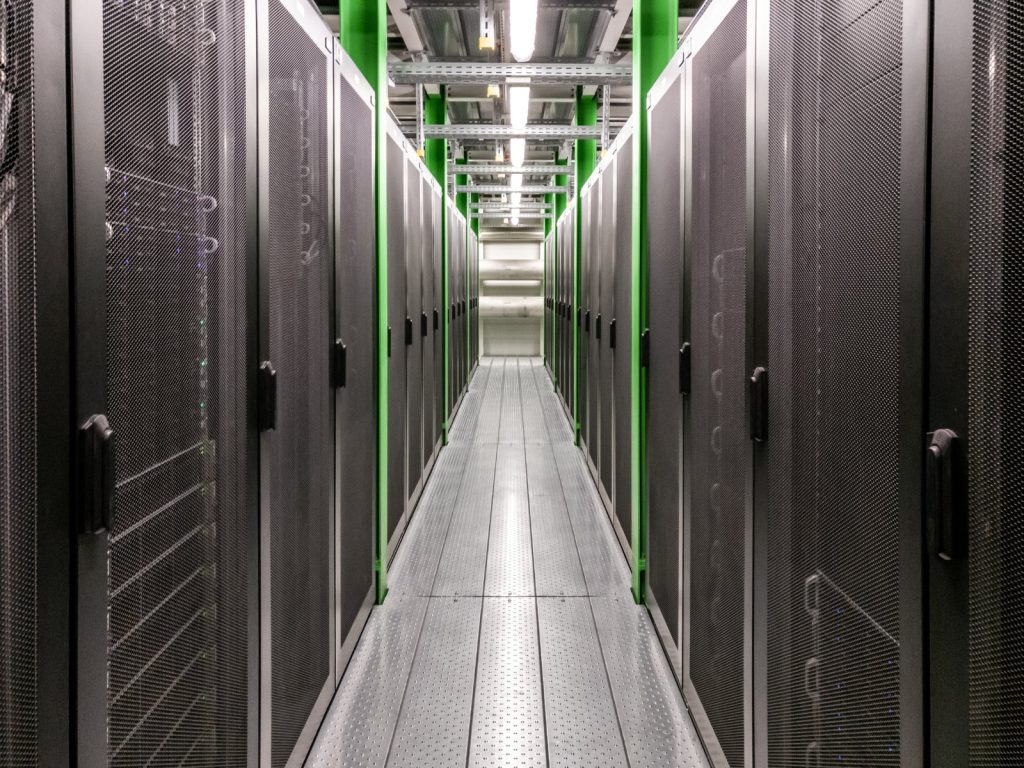
The pattern reflects global demand for computing power. As AI adoption grows, companies need more data centre capacity close to users, and Southeast Asia is becoming a key location for it. The same AI boom is also lifting the wider economy. The Asian Development Bank recently raised its 2026 growth forecast for developing Asia as AI-driven exports held firm.
Why Data Centres Cluster in Singapore and Johor
Singapore has about 1.4GW of data centre capacity, but land and power are tight. The city-state paused new data centre projects in 2019 and has since released capacity in limited, greener rounds. For example, its Green Data Centre Roadmap, launched on 30 May 2024, aims to add at least 300MW.
Johor, just across the Causeway, has drawn much of the overflow. Land and construction cost less there. A 2024 ISEAS analysis also found that Johor’s water and electricity costs were among the lowest in Southeast Asia. In addition, Tenaga Nasional’s Green Lane Pathway cuts grid connection times from 36 to 48 months to about 12, according to MIDA.
The Johor-Singapore Special Economic Zone, agreed on 7 January 2025, offers eligible firms a 5% corporate tax rate for up to 15 years. DayOne, for one, builds across Singapore, Johor and Batam in Indonesia. Demand keeps rising. The e-Conomy SEA 2026 report by Google, Temasek and Bain says regional capacity must roughly triple within five years.
Late-Stage Southeast Asia Tech Funding Leads
Late-stage funding, covering Series C and beyond, private equity and pre-IPO rounds, reached US$10.2 billion. That is up from US$3.1 billion, on almost the same number of rounds.
Early-stage funding (Series A and B) totalled US$3 billion across 80 deals. Seed and angel rounds added US$270 million across 90 deals.
Tracxn’s first-half report named the most active backers of Southeast Asia tech funding. Iterative and Antler led at seed stage with four investments each. Vertex Ventures was the busiest early-stage backer, while EDBI and Asia Partners topped the late stage with two each.
Singapore Stays the Region’s Hub
Singapore-based companies raised US$12.4 billion, which Tracxn puts at 94% of Southeast Asia tech funding, up from 90% a year earlier.
West Jakarta ranked second among cities with US$270 million. Bangkok, Kuala Lumpur and Taguig in the Philippines each raised under US$130 million.
The gap shows how much room the rest of the region has to grow. It also shows Singapore’s pull as a base for regional and global tech companies.
Still, part of Singapore’s lead in Southeast Asia tech funding reflects how Tracxn counts deals. It records each round against a company’s address rather than its construction sites, Tech Wire Asia noted. So a round for a Singapore-based operator counts as Singapore funding, even when it pays for data centres in Johor.
Exits, Deals and a New Unicorn
Exits were active. Ten companies went public in the period. Among the largest deals, KKR and Singtel agreed in February to buy the rest of ST Telemedia Global Data Centres for US$5.2 billion.
Grab also agreed in September to buy 60% of buy-now-pay-later platform Atome for US$1.49 billion, a deal that still needs regulatory approval. Meanwhile, DayOne filed for a US initial public offering in October. Bloomberg reported it may seek to raise as much as US$5 billion.
ShopBack became the region’s only new unicorn, a company valued at US$1 billion or more. Three companies reached that mark in the same period of 2025.
How Other Trackers Read Southeast Asia Tech Funding
Other trackers point the same way, though their methods differ. DealStreetAsia counted US$7.25 billion across 217 deals in the first half, the strongest half-year total since H1 2022. Yet deal volume fell to its lowest since at least 2018.
The e-Conomy SEA 2026 report, released on 21 October 2026, says private funding for digital applications has stabilised at about US$8 billion a year. By contrast, private capital deal value in AI compute and digital infrastructure reached US$20 billion over the past 12 months.
What Southeast Asia Tech Funding Means for Founders
The headline number is strong, but most of it went to a few large companies. Early-stage founders still face a selective market, where investors look closely at revenue and a clear path to profit.
The bright spot is that capital is flowing back into the region. Big rounds and active exits help build investor confidence, and that can filter down to younger startups over time. In practice, founders can take a few steps:
- Lead with traction. With fewer rounds on offer, revenue and unit economics count for more than growth alone.
- Be clear about AI. According to e-Conomy SEA, companies with core AI products took 80% of deal value in the last six months. That share was 30% in the second half of 2024.
- Target active backers. Busy seed funds such as Iterative and Antler are a natural first stop. In Singapore, SEEDS Capital co-invests in early-stage startups alongside private investors.
- Plan for a longer raise. Southeast Asia tech funding remains concentrated in a few deals, so extra runway gives founders more room to negotiate.
To learn more, visit the Tracxn official website.