

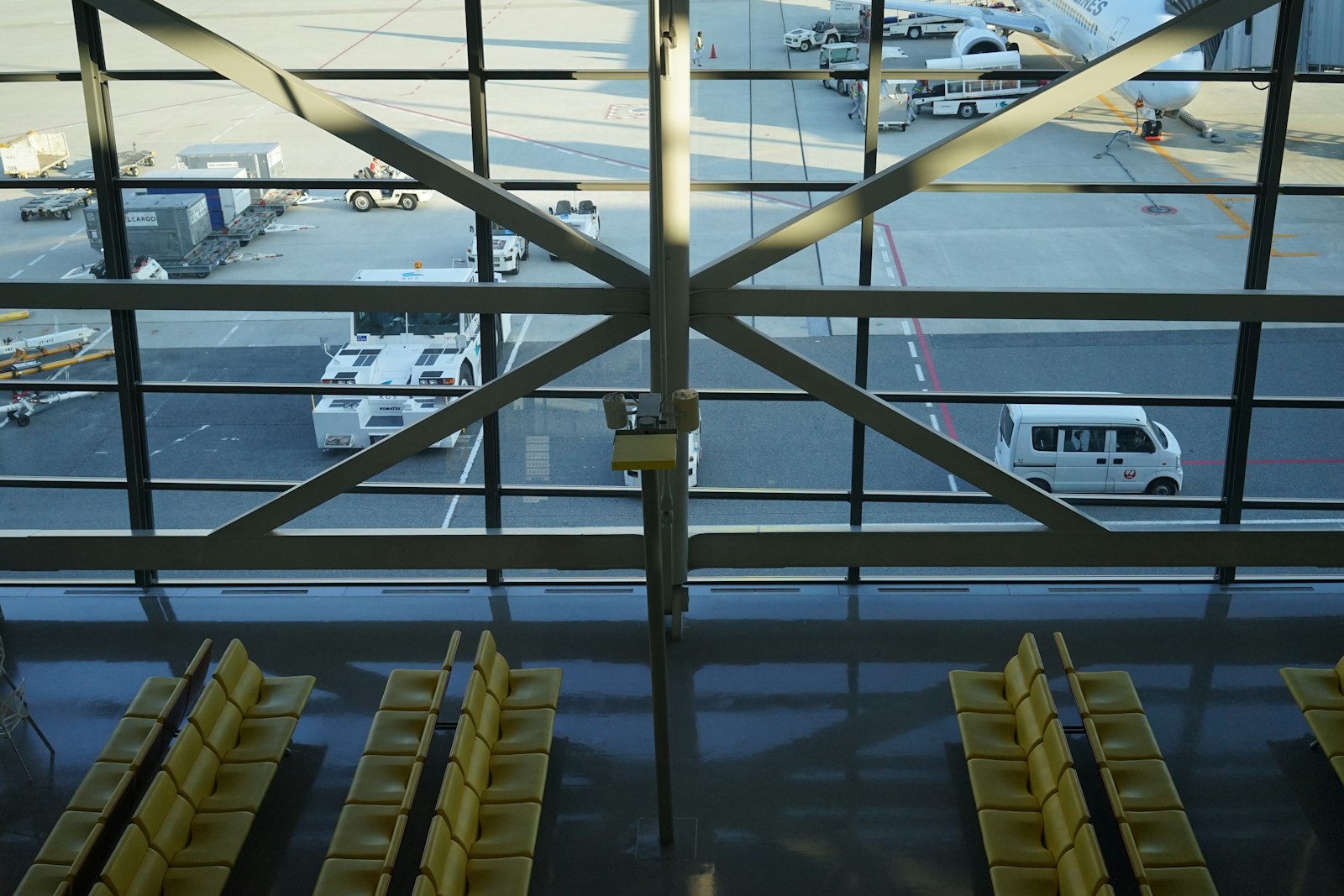

China’s 240-hour visa-free transit lets eligible travellers stop in the country for up to 10 days without a visa, as long as they are flying on to a third country or region. The scheme has grown steadily since late 2024 and now covers 57 nationalities. This guide explains how it works as of November 2026, and what travellers in Asia should check before booking.
What Is China 240-Hour Visa-Free Transit?
It is a transit policy run by China’s National Immigration Administration (NIA). Passengers from eligible countries can enter at a designated port, stay within approved areas for up to 240 hours, and then leave for a different destination.
The window was extended to 240 hours in December 2024. Before that, travellers had either 72 or 144 hours, depending on where they entered.
The scheme is meant for short trips. Tourism, business, exchange visits and family visits are allowed. Work, study and news reporting still need the right visa.
Who Can Use 240-Hour Visa-Free Transit in 2026
As of November 2026, holders of ordinary passports from 57 countries qualify. The most recent additions were Kyrgyzstan and Vietnam, which took effect on 20 August 2026, according to the NIA’s announcement. Indonesia was added in June 2025.
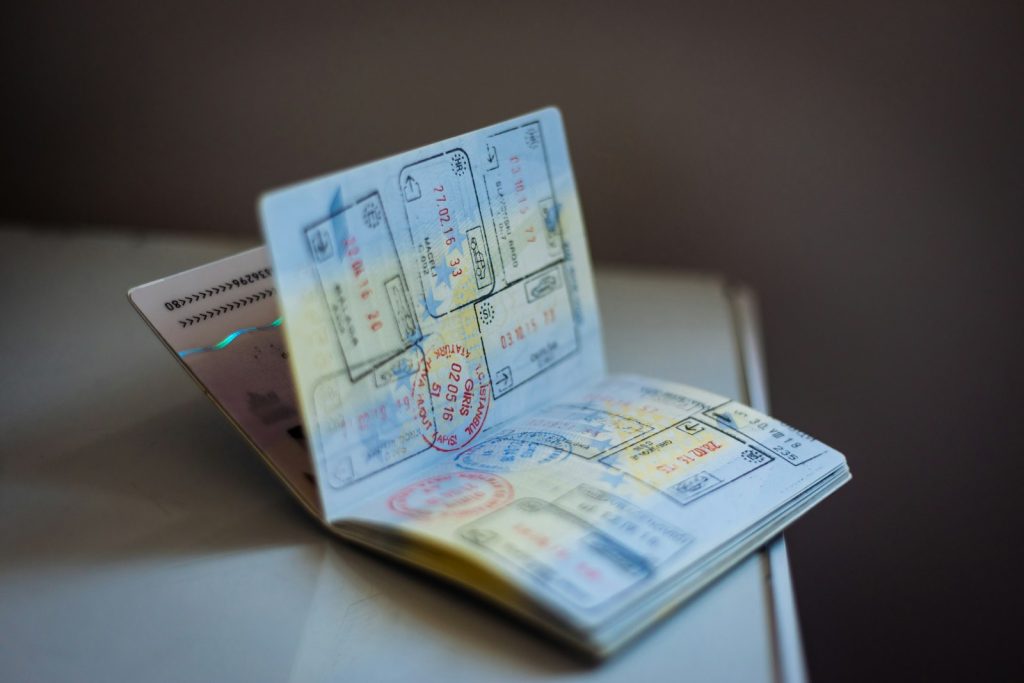
Many eligible countries are in Europe and the Americas, but the list also includes several Asian nations. Travellers should check their own nationality on the official NIA list before planning a stopover.
How the 240-Hour Rule Works
1. You must fly on to a third country or region
This is the rule that catches most people out. A traveller flying from Jakarta to Shanghai and then on to Tokyo can qualify. A traveller flying Jakarta to Shanghai and back to Jakarta cannot, because the trip returns to where it began.
2. Bring a confirmed onward ticket
You need an ordinary passport and a confirmed ticket, with dates and an itinerary, to your next destination. Immigration officers check this on arrival.
3. Enter and leave through designated ports
There are 65 eligible ports of entry nationwide, including major airports in Beijing and Shanghai, as well as some land and sea crossings. You do not have to leave from the same port where you arrived.
4. Stay within the approved areas
Travellers may move between eligible regions during their stay. China Briefing counts 24 provinces in the scheme, with some limited to certain cities, so plan routes carefully.
5. Know when the clock starts
According to China Briefing, the 240 hours are counted from 00:00 on the day after you arrive. Plan your departure so you leave before the time runs out.
Why the Visa-Free Transit Scheme Matters for Travellers in Asia
Visa-free travel is now a major route into China. In the first half of 2026, foreign visitors made more than 17.8 million visa-free entries, up 30.6% from a year earlier, Xinhua reported. That was more than three-quarters of all foreign arrivals.
For travellers in Southeast Asia, the scheme can turn a long layover into a short city break. A business traveller heading to Europe or North America could spend a few days meeting partners in Shanghai or Guangzhou on the way. Families could add a stop on the way to another destination at no visa cost.
Some nationalities already enjoy separate visa-free entry to China for stays of up to 30 days. For them, the transit scheme may not be needed at all. It is still worth knowing, as rules for each country can change.
Planning a longer stay in the region? Read our guide to the Destination Thailand Visa for remote workers.
Tips Before You Go
Check that your passport has more than three months of validity. Keep a printed or digital copy of your onward ticket. Tell your airline at check-in that you plan to use visa-free transit, as staff may need to confirm your eligibility.
Travellers who have broken immigration rules in China before may be refused. Hotels must also register guests with local police, so stay in licensed accommodation.
The list of countries and ports has changed several times in two years. Before booking, confirm the latest rules with the NIA, the Chinese embassy in your country or your airline.