
Gelephu Mindfulness City is Bhutan’s plan to build a new economic hub in its southern foothills. Covering about 1,000 square kilometres, it aims to attract investment while protecting nature and the country’s values. With a new international airport under way, it is one of the most closely watched urban projects in South Asia.
Here is what the project involves and where it stands as of November 2026.
What Is Gelephu Mindfulness City?
The project was announced by His Majesty King Jigme Khesar Namgyel Wangchuck on Bhutan’s National Day, 17 December 2023. According to The Diplomat, it is set up as a Special Administrative Region with its own executive autonomy and legal framework, designed to create a new centre of economic activity.
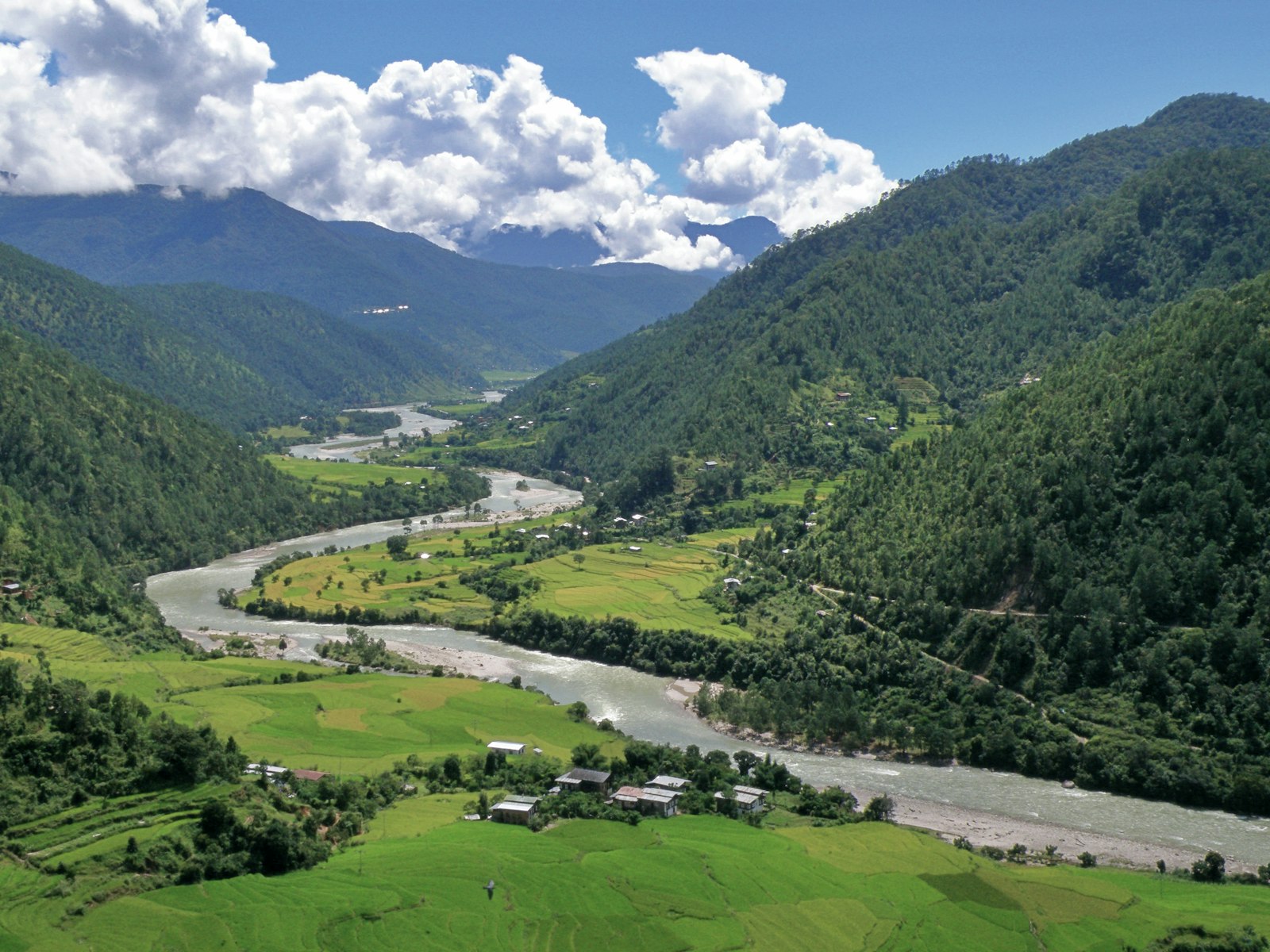
The area sits on flatland near the town of Gelephu, close to the border with Assam in north-east India. Its guiding values include Gross National Happiness, Bhutan’s cultural and spiritual heritage, and sustainable development.
The Gelephu Mindfulness City Masterplan
The masterplan was unveiled by architect Bjarke Ingels and developed with engineering firm Arup and consultancy Cistri.
Sectors that have shown interest include bioscience, data centres, education and energy. More recently, investor talks have covered wellness and medical services, hospitality, infrastructure and digital industries, according to the Bhutan Broadcasting Service (BBS).
Gelephu International Airport
A new international airport is the project’s flagship piece of infrastructure. Ground was broken on 8 July 2025, as reported by Business Bhutan.
Key details include:
- A 3,000-metre runway, first able to handle aircraft such as the Airbus A321 and Boeing 737, with room for larger planes later.
- Initial capacity of 1.3 million passengers a year, expandable to more than 5.5 million.
- A Phase I budget kept within US$500 million.
- A target opening on 17 December 2029, Bhutan’s 122nd National Day.
Partners named in the project include Changi Airports International and the Bjarke Ingels Group. Liew Mun Leong, chief executive of the Gelephu Mindfulness City Authority, was quoted by Business Bhutan as saying the airport “will bring the world to Bhutan and Bhutan to the world”.
Progress on the Ground
Work is moving steadily. In April 2026, BBS reported that earthworks were about 65% complete and on schedule, with more than 2,000 workers on site. Engineers were building culverts to carry the Paitha River beneath the future runway. The site’s fleet included about 300 dump trucks and more than 60 excavators. Dorji Wangchuk, a senior engineer with the Gelephu Mindfulness City Authority’s City Development Office, told BBS the earthworks were expected to finish by September.
After earthworks, the next phase covers the runway, taxiways and drainage. Preparations for the terminal building are also under way.
Why Gelephu Mindfulness City Matters for Asia
For Bhutan, the project is about creating jobs and new opportunities at home. For the wider region, it could become a new link between South Asia and Southeast Asia. Plans include better road and rail connections from India, digital infrastructure and links to Southeast Asian countries.
The project also tests a different idea of urban growth: one that puts wellbeing and the environment alongside economic goals. In April 2026, a group of more than 20 investors visited the site to learn about timelines and priorities. Dr Arak Sutivong, from Thailand’s banking and financial sector, told BBS that investors want to see “the execution” of the plan.
Looking Ahead
Gelephu Mindfulness City is still in its early years, and much depends on steady delivery of infrastructure and clear rules for investors. With the airport set to open by the end of 2029, the coming years will show how this green, values-led city takes shape. For travellers, investors and urban planners across Asia, it is a project worth following.
Other special zones in Asia are also courting foreign investors, as our guide to Qatar’s free zones shows.