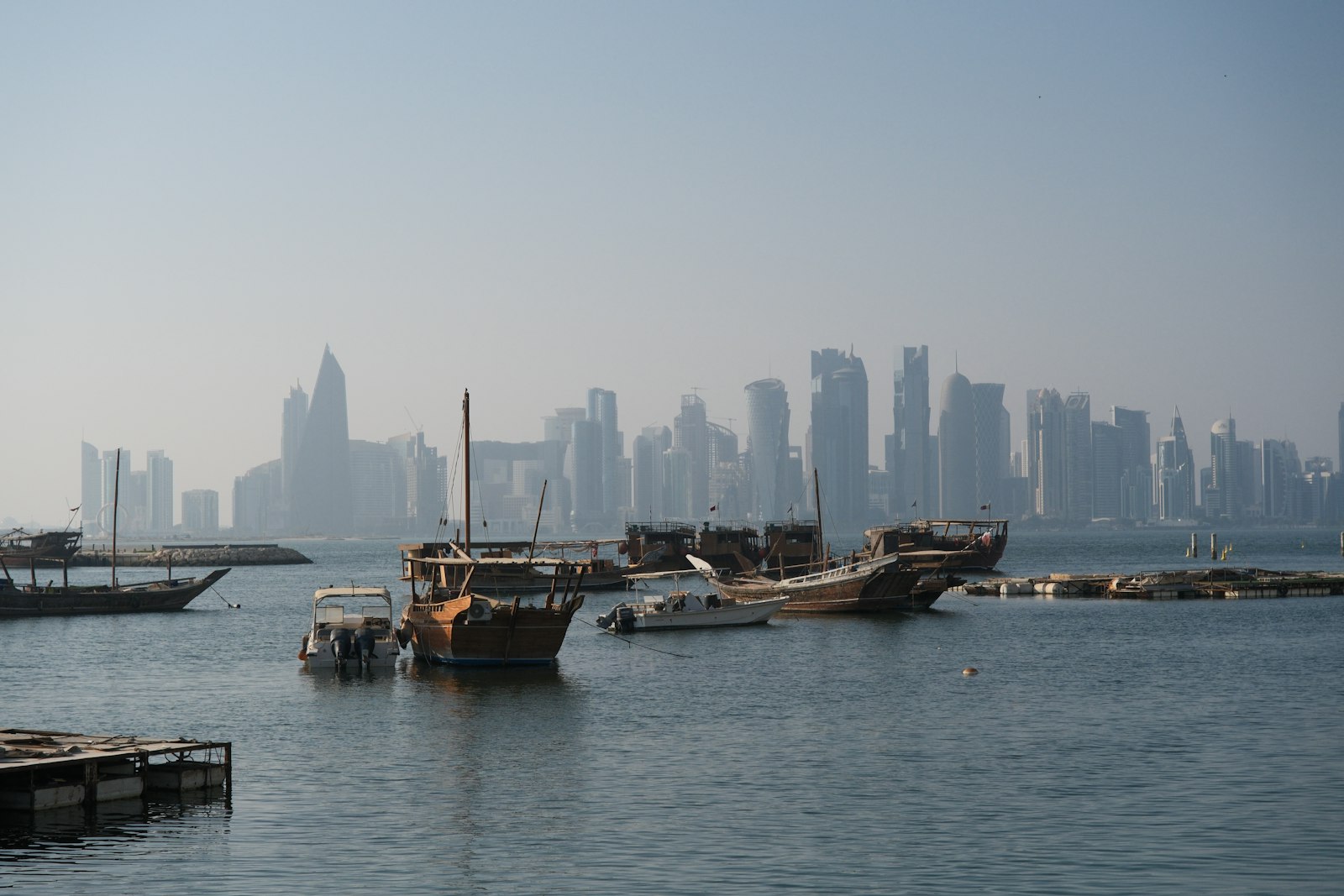

Qatar Free Zones offer foreign companies a way to set up in the Gulf with full ownership and long tax breaks. The two zones sit next to Doha’s main airport and seaport. For Asian manufacturers, logistics firms and tech companies eyeing the Middle East, they are a practical entry point.
This guide explains what the zones offer and how to get started, based on official information available as of November 2026.
Who Runs Qatar Free Zones
The zones are managed by the Qatar Free Zones Authority (QFZA), an independent body set up in 2018. The authority develops and regulates the zones and handles licensing and registration for companies inside them.
Its focus areas include trade, logistics and export; manufacturing and chemicals; emerging technology; and maritime services. The authority also lists diamonds and precious stones as a sector.
The Two Qatar Free Zones
1. Ras Bufontas (Airport Free Zone)
Ras Bufontas lies about 6km from Hamad International Airport, according to Invest Qatar. It suits logistics, consumer products, light manufacturing and pharmaceuticals. Tax firm PwC also lists international business services, aviation and emerging technologies as target sectors. The QFZA itself is based here.
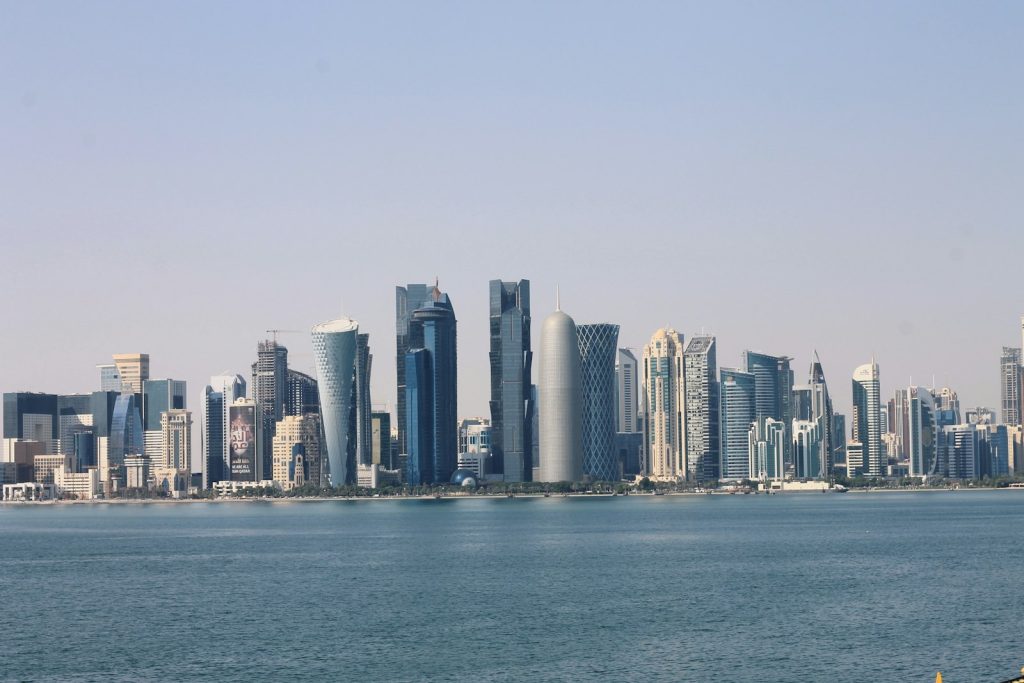
2. Umm Alhoul (Port Free Zone)
Umm Alhoul covers about 34 square kilometres near Hamad Port. It is aimed at maritime industries, polymers and plastics, heavy and advanced manufacturing, and logistics.
Key Incentives in Qatar Free Zones
The main benefits, as summarised by PwC in its Qatar tax guide (last reviewed in September 2026), are:
- 100% foreign ownership of the company.
- A tax holiday of up to 20 years, covering corporate tax and customs duties.
- No personal income tax for employees.
These terms compare with the mainland, where Invest Qatar lists a standard corporate tax rate of 10%. On the mainland, full foreign ownership is possible in many sectors but may need ministerial approval.
Beyond tax, the authority points to the zones’ location beside a major airport and deep-sea port, nationwide 5G coverage, and access to energy and feedstock for manufacturing.
How to Set Up in Qatar Free Zones
The QFZA describes a three-step online process:
1. Apply online
Investors submit their contact details and receive login details for the Investor Portal.
2. Define the company
The next step is to enter company details, choose a property option and select business activities.
3. Launch the business
Registration and licensing are completed online. The authority says it handles the process from licensing through to registration.
Fees and timelines depend on the activity and type of space, so investors should confirm these directly with the authority before committing.
Other Options in Qatar
Qatar Free Zones are not the only route. The Qatar Financial Centre is an onshore business centre with its own legal and tax framework based on English common law. It mainly serves financial and professional services firms.
Companies doing research and development can look at Qatar Science and Technology Park. PwC notes that qualifying entities there can be fully exempt from Qatar tax, though they must still file returns.
Why Qatar Free Zones Matter for Asian Businesses
Trade between Asia and the Gulf keeps growing, and many Asian firms want a regional base close to customers in the Middle East and Africa. Qatar Free Zones offer a clear package: full ownership, long tax breaks and quick access to air and sea links.
Investors should weigh these benefits against costs such as office space, staff visas and the size of the local market. A careful look at each zone’s sector focus will help companies pick the right fit.
Investors weighing other Gulf options may also find our guide to Saudi Arabia’s Regional Headquarters Programme useful.
To learn more, visit the Qatar Free Zones Authority official website.