

Saudi Arabia has become one of the busiest venture capital markets in the Middle East, and a government-backed investor sits at the centre of it. This guide explains how the Saudi Venture Capital Company (SVC) works, what the latest market figures show and what founders and fund managers from Asia should know before seeking Saudi capital.
What is Saudi Venture Capital Company?
SVC is an investment company set up in 2018. It is part of the SME Bank, which sits under the National Development Fund. Its stated aim is to stimulate and sustain financing for startups and small and medium enterprises (SMEs), from pre-seed to pre-IPO.
SVC mainly works as a fund-of-funds. Rather than picking most startups itself, it commits money to private fund managers, who then invest in companies. This model is meant to grow the number of local fund managers and draw private investors in alongside the state.
Its own website says it has invested in 65 private capital funds, which in turn have backed more than 1,000 startups and SMEs (as of November 2026). An SVC impact report published in March 2026 put its total committed capital at SAR 4.5 billion (about US$1.2 billion), with SAR 2.6 billion deployed since inception.
How Saudi Venture Capital programmes work
According to its programmes page, SVC runs two main investment tracks.
1. Fund investments
SVC acts as a limited partner in three types of fund:
- Venture capital funds, including accelerator and startup studio funds
- Private equity funds that back SMEs with growth potential
- Venture debt and private debt funds that lend to startups and SMEs
SVC may contribute up to 65% of a fund’s size. Total commitments from Saudi government-affiliated investors, including SVC, are also capped at 65%. In practice, a fund manager must still raise at least about a third of the fund from other investors.
2. Direct investments
SVC also invests directly in startups and SMEs, alongside other investors. Companies must be based in Saudi Arabia or expanding into the Kingdom. The minimum ticket is SAR 1 million (about US$267,000), and SVC’s share is limited to 30% of each round. So a startup still needs other investors in the round.
SVC also looks beyond the region. In November 2025, it announced commitments of SAR 1 billion (about US$267 million) to 17 funds run by 11 US fund managers, covering venture capital, private equity and private debt.
Saudi Venture Capital market: the latest figures
2025 was a record year. Data from MAGNiTT, reported by Arab News in January 2026, showed Saudi startups raised US$1.72 billion across 257 deals. That was up 145% in value on 2024. Saudi Arabia took about half of all venture funding in the Middle East that year, and fintech was the leading sector across the region.
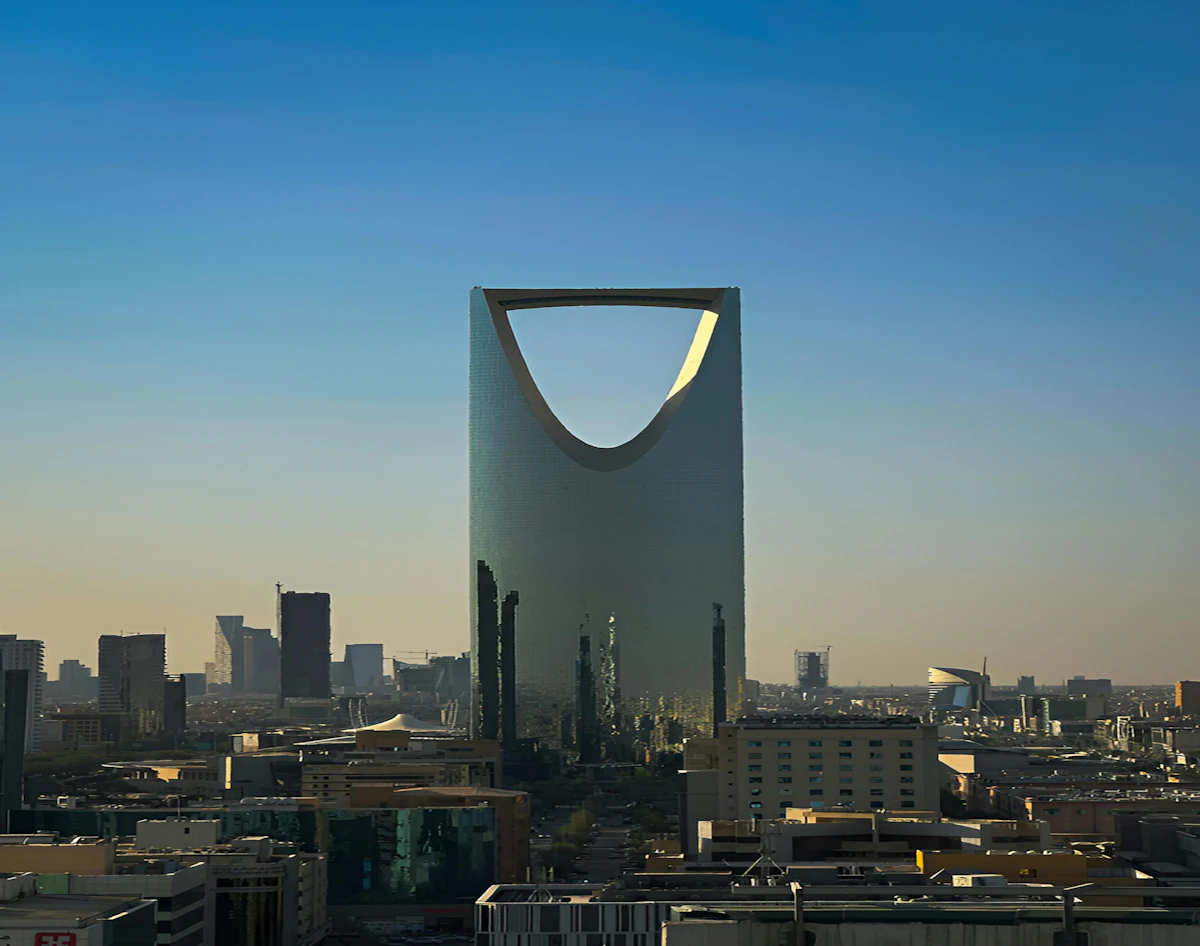
2026 has been calmer. MAGNiTT’s Q3 2026 update puts Saudi venture funding for the first nine months at about US$1 billion across 113 deals. That is down 29% in value and 39% in deal count from the same period of 2025. Two mega rounds made up more than half of the total. Investors appear to have become more selective.
What Asian founders and fund managers should know
1. Fund managers need a Saudi angle
SVC backs funds that invest in Saudi startups or in companies expanding there. Managers should expect questions on local deal flow, a team presence in the Kingdom and how much of the fund will go into Saudi companies. The 65% cap also means a solid base of private investors is still needed.
2. Founders need a local entity
To receive direct investment, a startup must be based in Saudi Arabia or expanding into it. The Ministry of Investment (MISA) issues licences through its Invest Saudi portal, including an entrepreneurial category with simpler fees. In July 2025, the ministry said 550 foreign startups had received its startup investment registration, up 118% on a year earlier.
3. Use the support ecosystem
Monsha’at, the SME authority, has licensed more than 360 incubators and accelerators, which offer mentoring and links to investors. Founders of tech startups can also apply for the entrepreneur track of the Premium Residency. More than 100 founders from over 20 countries received it at the Biban 2025 forum, according to Arab News.
Also read: Regional Headquarters Programme: A Guide to Saudi Arabia’s RHQ Incentives
4. Know where you fit
Larger companies moving their regional base to Riyadh may also look at the Regional Headquarters Programme, which RiseAsia covers in a separate guide. Most early-stage founders, however, will meet SVC money indirectly, through a Saudi-based fund that SVC has backed.
To learn more, visit the Saudi Venture Capital Company official website.