

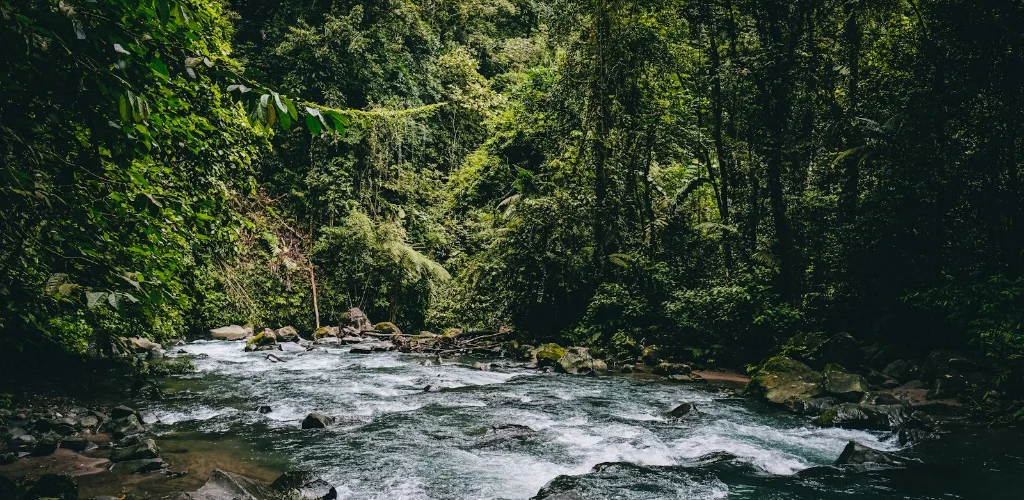

From mangrove boardwalks in Singapore to coral atolls in the Philippines, Southeast Asia shares a family of protected areas known as ASEAN Heritage Parks. This guide explains how the network works, which parks belong to it and how local people benefit. For travellers in Asia, it is also a simple way to find some of the region’s most important wild places.
What are ASEAN Heritage Parks?
The programme began on 29 November 1984, when ASEAN members signed a declaration on heritage parks and reserves. Eleven protected areas were named at the start. Environment ministers renewed the commitment in 2003, and the network has grown steadily since then.
The idea is simple. Each country still owns and manages its own parks. The heritage label links them into one regional network, so managers can share skills, data and ideas.
The ASEAN Centre for Biodiversity (ACB), based in the Philippines, acts as secretariat. It reviews nominations, runs training and organises a regional conference every three years. The most recent, the eighth, took place in Quang Ninh, Viet Nam, in December 2025.
How many ASEAN Heritage Parks are there?
As of November 2026, the latest confirmed total is 69 parks. The ASEAN Secretariat reported that environment ministers added six new sites in September 2025, three in Viet Nam and three in Malaysia. According to the ACB, the 69 parks include 47 land sites, 12 marine sites and 10 wetlands. Together they cover about 11.9 million hectares.
Two more are on the way. In August 2026, the ACB Governing Board endorsed Mount Balatukan Range Natural Park in the Philippines and the Prek Toal Ramsar Site in Cambodia, pending ministerial approval. As Bernama reported, this would take the network to 71. Three further nominations from Lao PDR and Thailand are under review.
A tour of the network
The parks are spread across the region’s member states. Examples include:
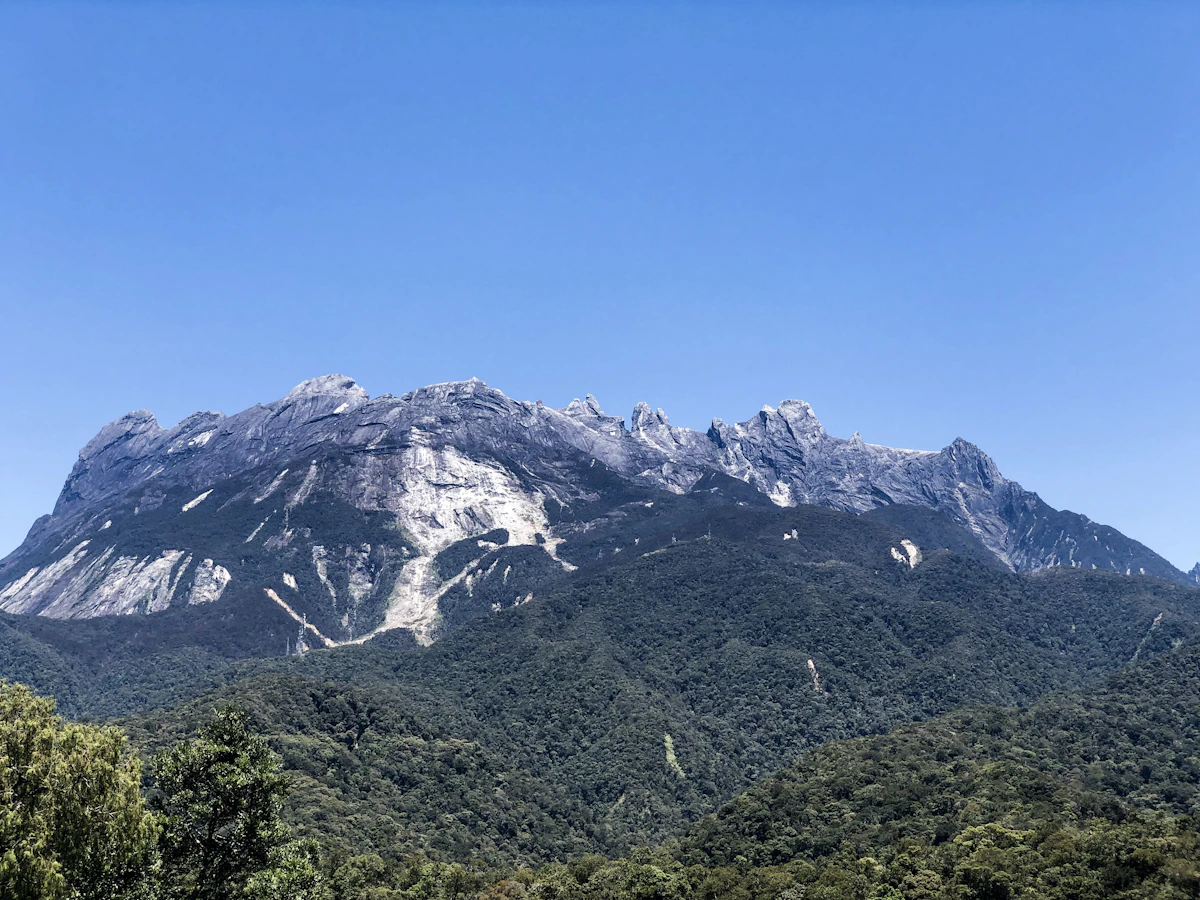
- Sungei Buloh Wetland Reserve, Singapore: mangroves and mudflats that welcome migratory shorebirds every year.
- Tubbataha Reefs Natural Park, Philippines: a remote marine park in the Sulu Sea, famous for its healthy coral reefs.
- Nam Ha National Protected Area, Lao PDR: forested hills that protect watersheds and are home to many ethnic groups.
- Gunung Leuser and Way Kambas national parks, Indonesia: rainforest and lowland habitats on Sumatra.
- Indawgyi Lake Wildlife Sanctuary, Myanmar: one of the largest freshwater lakes in Southeast Asia.
- Xuan Thuy National Park, Viet Nam: a coastal wetland and one of the 2025 additions, alongside Bako National Park in Sarawak, Malaysia.
Criteria for ASEAN Heritage Parks status
Not every protected area qualifies. Under the programme’s published criteria, a nominated site is judged on:
- Ecological completeness: natural processes still work, and the area can recover with little help.
- Representativeness: it holds the typical ecosystems or species of its region.
- Naturalness: it remains largely in a natural state.
- High conservation importance: it protects species or ecosystems of global value.
- Legal status: it is formally protected under national law, with clear boundaries.
The ACB checks each nomination, and independent experts assess it, often with a field visit. Ministers make the final decision. Being named is both an honour and a duty, as the host country commits to strong protection.
How communities and rangers benefit
The label opens doors to regional support. A key example is the ACB Small Grants Programme, funded by Germany through KfW. It has backed community projects in and around heritage parks in Indonesia, Myanmar and Viet Nam.
Results are practical. In Indonesia, thousands of people received training, and villages developed new local products and ecotourism sites. At Kon Ka Kinh National Park in Viet Nam, the programme trained 40 park staff and supplied camera traps to monitor gibbons and langurs. Nearby, a beekeeping cooperative gave families a safer income than collecting wild honey.
A third phase, announced in 2026 with support from Germany and the European Union, focuses on Cambodia, Lao PDR, the Philippines and Viet Nam. It aims to reach farmers, fisherfolk, women and Indigenous Peoples.
Also read: Women-Led Ecotourism Builds Sustainable Growth in Sulawesi
How visitors can support ASEAN Heritage Parks
Travellers can make a real difference with a few simple habits:
- Hire local guides and use community-run homestays.
- Pay park entry and conservation fees, which often fund patrols.
- Stay on marked trails and follow reef rules when diving or snorkelling.
- Buy local crafts and produce made in partnership with parks.
- Take rubbish home and never feed or disturb wildlife.
With new parks joining and more funding reaching local people, the network looks set to keep growing. Each visit, done with care, helps keep these shared places wild for the next generation.