

Singapore wants brands to show up in person. That raises an old question for marketers: what happens to everything built for a three-day event once it ends? Super Ice Cream Truck, a local operator, is offering one answer. Rather than commission a new booth, brands can stage their brand activations around a restored 1960s Volkswagen Kombi. When the event ends, the van moves on to the next campaign.
Orchard Road Opens Up for Brand Activations
Orchard Road is turning into an experience-led destination. From 2026, new initiatives aim to make the precinct a testbed for pop-ups, immersive brand activations and large-scale placemaking. In May 2026, the Singapore Tourism Board (STB) opened a tender for up to three pop-up spaces. They sit along the pedestrian mall between Wisma Atria and Ngee Ann City.
More pop-ups, however, also mean more temporary builds. Most booths use carpentry, vinyl and foam board. Crews put them up for an event of roughly three days. Afterwards, most of the material ends up as waste.
The Waste Behind a Three-Day Booth
According to Janice Lee, event director of the FHA trade show, wood is the largest source of waste at exhibitions. She made the point to TTGmice in 2023. The sector has also set itself targets. Under the MICE Sustainability Roadmap 2.0, the industry will keep tracking waste and carbon emissions. The goal is less waste and net-zero emissions by 2050.
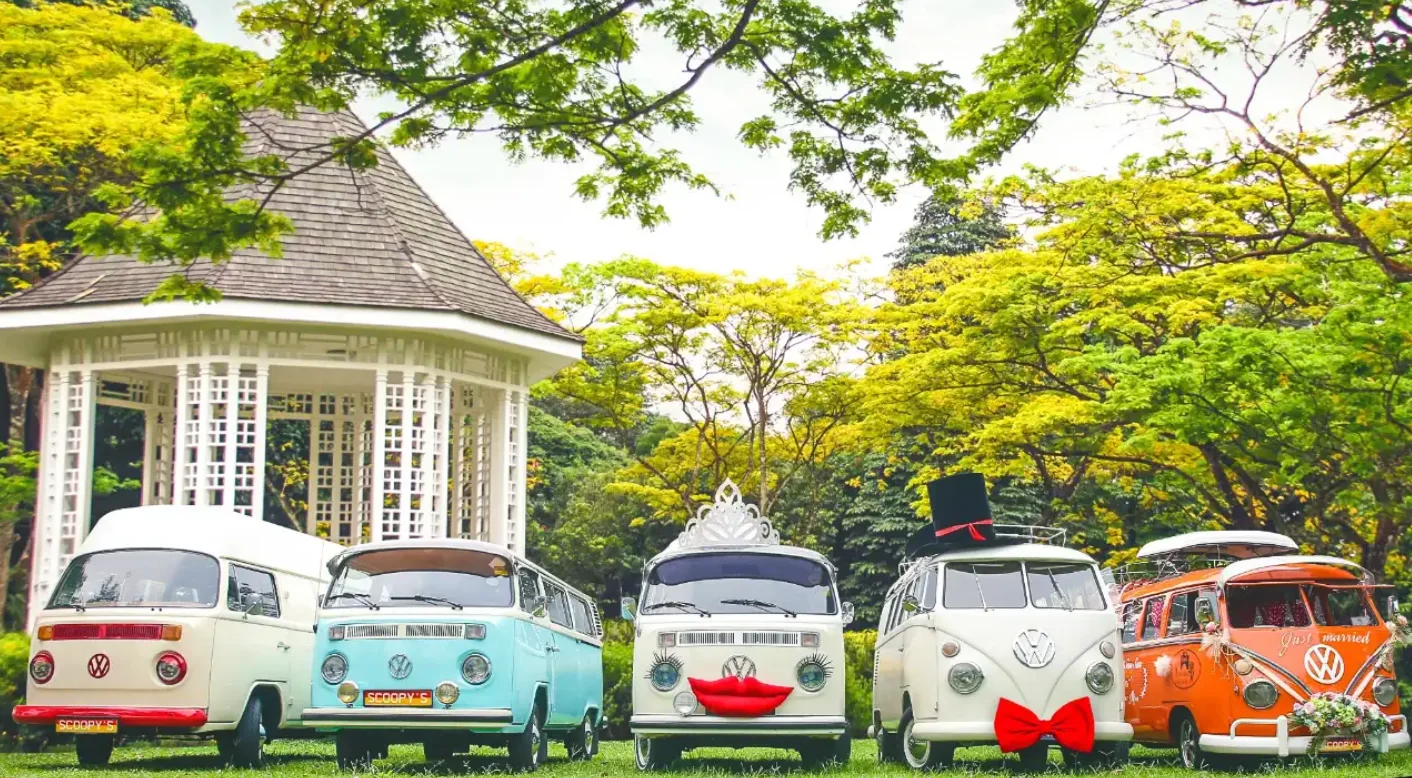
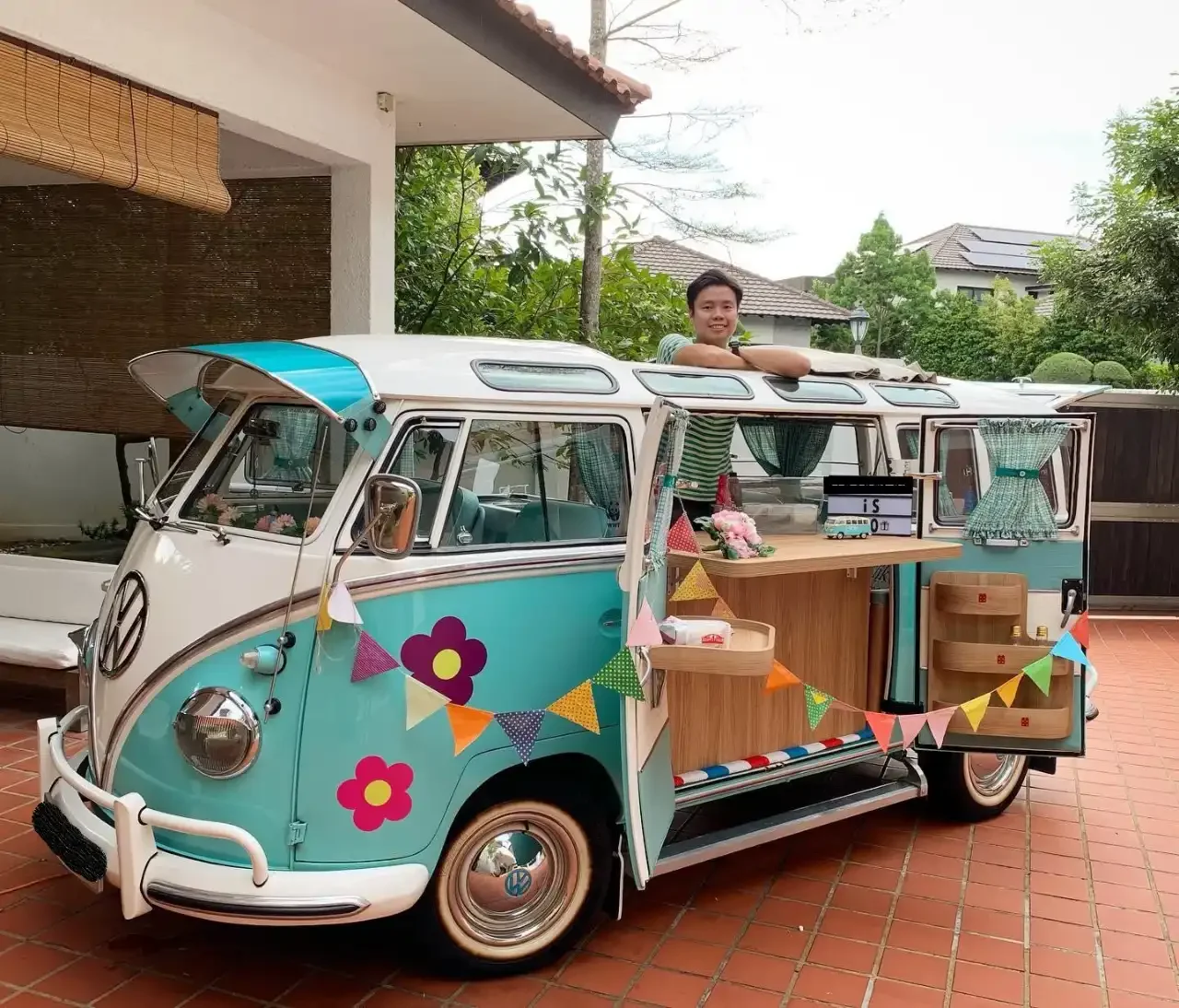
A restored Kombi works the other way round. According to the company, a single vehicle can serve campaign after campaign for five to ten years or more. Each client’s look goes on with removable magnetic and vinyl branding, so it comes off cleanly before the next job.
The company’s vans have appeared at brand activations for Dior, Kenzo, COACH, The Langham, Saxo, POSB and MCM’s 50th anniversary.
Why Crowds Stop for a 1960s Kombi
The company says it sees the same pattern at event after event. Crowds walk past high-budget LED walls, digital installations and prefabricated structures. Then they stop, queue and take photos at the vintage van.
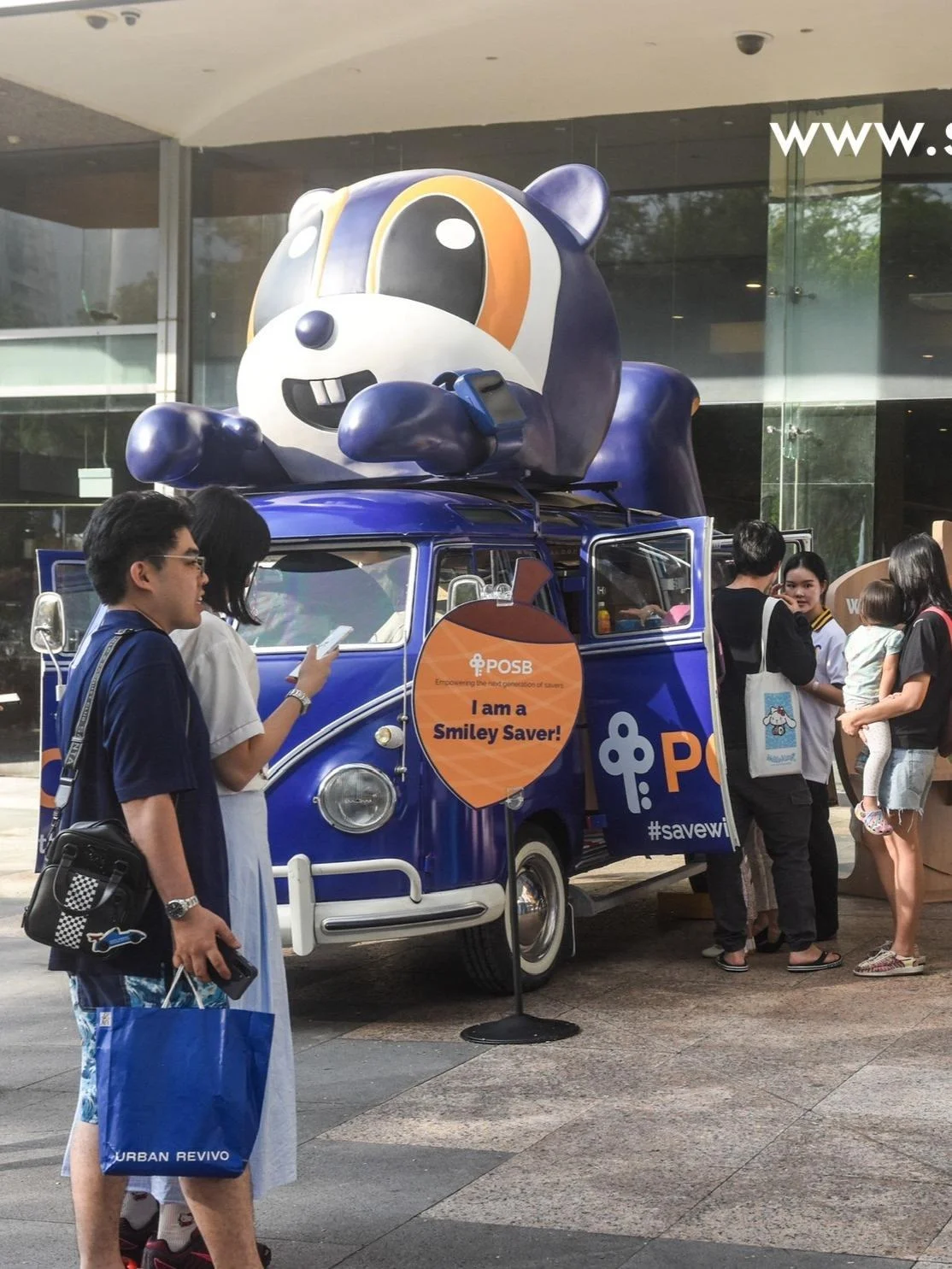
Brand teams have told the company that the vehicle breaks the ice. Visitors let their guard down, start talking to staff and share photos without being asked. By comparison, a digital booth often has to work much harder for that kind of response.
Scoopy’s Gelateria runs Super Ice Cream Truck and rents out the fleet to brands as ready-made activations. Tobias Peng, 43, has been restoring classic vehicles for his ice cream business since 2008. Today, the fleet includes Kombis, an Austin truck, caravans and a converted school bus. It also has a three-wheeled Piaggio Ape that once handled postal deliveries. In October, Scoopy’s Gelateria also gained ISO 20121 certification, the international standard for event sustainability management.
Volkswagen Revives the Kombi in Electric Form
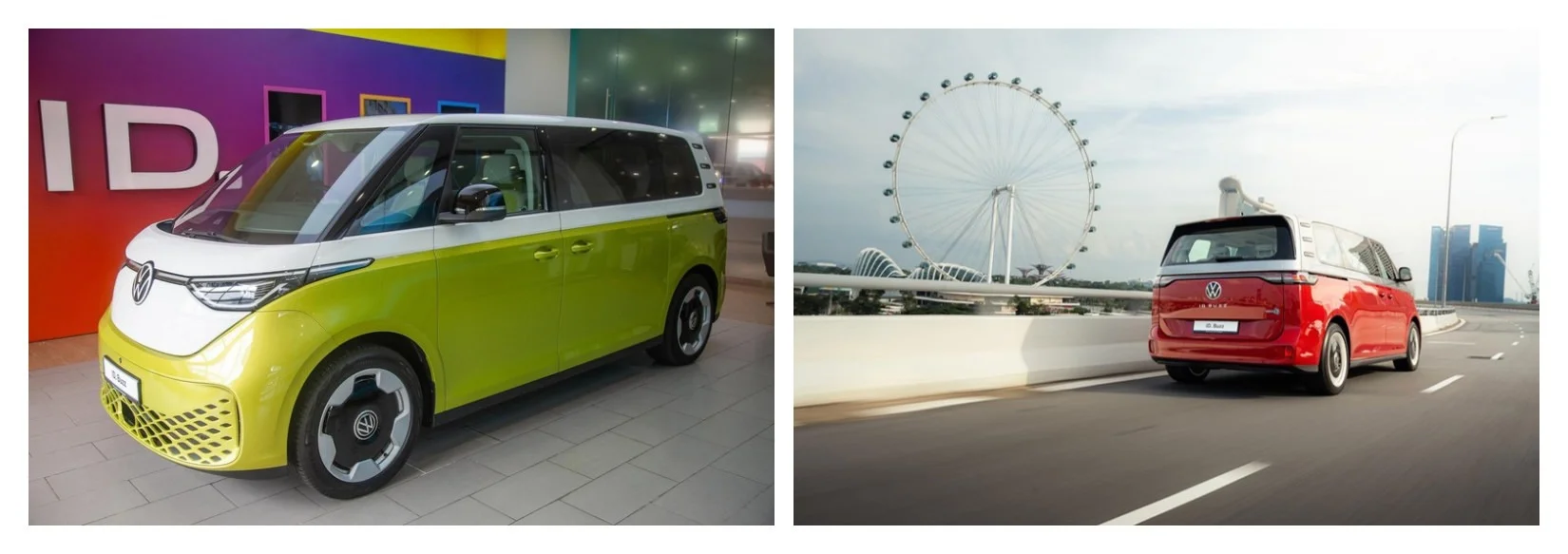
The Kombi’s appeal is strong enough that Volkswagen now sells it again in a new form. The all-electric ID. Buzz, a modern take on the classic Type 1 Kombi, launched in Singapore in October 2024 at a starting price of S$299,900.
A year later, Volkswagen Singapore released a limited SG60 Edition. It marked Singapore’s 60th year of independence as well as the 75th anniversary of the VW bus. The model also nodded to the 1950s, when the Kombi was a familiar sight on local roads.
How to Measure Physical Brand Activations
Super Ice Cream Truck has no independent footfall study to back up what it observes. Instead, its evidence comes from brand teams and from how often crowds gather around its vans.
That gap points to a wider issue. Singapore brands are only now starting to ask how to measure brand activations. Much of their value, after all, comes from photos and conversations. The question is familiar in out-of-home advertising, where media owners increasingly sell billboards and digital screens on audience data.
As Singapore turns its streets and malls into stages for pop-ups, marketers may need to look beyond the build itself. Increasingly, the brief also covers how long it lasts, where it goes afterwards and how brands track its impact.