

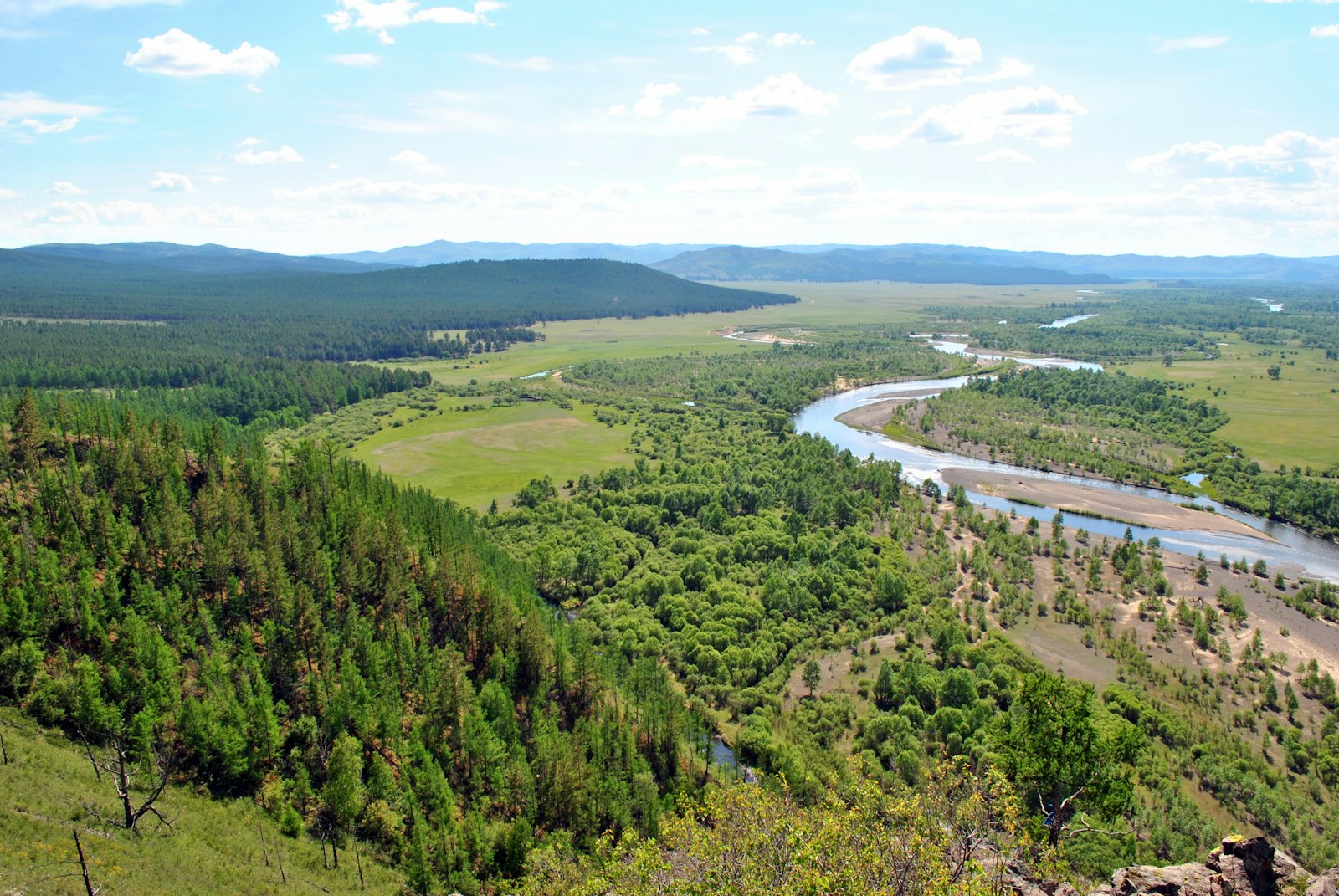

In a country of wide steppes and harsh winters, planting a tree is no small task. Yet Mongolia’s Billion Trees national movement has now seen 140 million trees planted, as citizens, companies and public agencies work together to slow desertification.
This is a look at how the movement works, who takes part, and why it offers a hopeful example for the rest of Asia.
What Is the Billion Trees Movement?
The One Billion Trees national movement was announced in 2021 and has since been carried out across the country. Its goal is in its name: to plant one billion trees, expanding forest cover and restoring land that has been degraded.
Mongolia has relatively low forest cover, and land degradation and desertification are growing concerns, according to the Asian Forest Cooperation Organization (AFoCO). Trees help hold soil in place, shelter land from wind and support local ecosystems.
Billion Trees Movement Reaches 140 Million
In September, Mongolia reported that a total of 140 million trees had been planted under the movement, The Star reported, citing Mongolian media.

Alongside that milestone came a new information system that tracks the movement’s progress. It shows where and how many trees have been planted, which provinces and enterprises have taken part most actively, how much planting stock is available, and how well the trees are surviving and growing.
The system draws on more than five years of data collected by the government’s Forest Agency. It is available in five of the official United Nations languages, making the results easier to share with partners abroad.
A Movement Built on Community Effort
What makes the movement stand out is how many people take part. Mongolia holds regular tree-planting days in spring and autumn, which have helped raise public awareness of the environment.
At this year’s National Tree Planting Day in Ulaanbaatar in May, more than 70 organisations, groups and families joined in, AKIpress reported, citing the Montsame news agency. Government agencies, private companies, civil society groups and citizens planted trees at three former waste disposal sites in the capital, with a target of 10,000 trees for the day.
Ikhbayar Dashnyam, Chairman of the Ulaanbaatar City Council, opened the event. He encouraged every citizen to plant trees, saying that “one mature tree provides an average of MNT 194 million worth of ecological and social benefits.”
Young People Lead the Way
Young Mongolians are also playing a central role. The Billion Trees Movement NGO, founded in 2022, supports and promotes the national campaign. It works to raise awareness, encourage community participation and build cooperation across sectors.
The group is accredited to the United Nations Convention to Combat Desertification (UNCCD) as a national civil society organisation. Its young members also help the Forest Agency update and improve the new tracking system.
Lessons From the Billion Trees Movement for Asia
Mongolia’s experience offers useful lessons for other countries facing land degradation:
- Make it a shared national effort, not only a government programme.
- Hold regular planting days so that taking part becomes a habit.
- Track results openly, including whether trees survive, not just how many are planted.
- Give young people a real role in running and improving the work.
A Long Road, Steady Progress
With 140 million trees in the ground, Mongolia still has a long way to go to reach one billion. But the movement has built something just as important: a habit of shared action and a clear way to measure it.
As more seasons of planting go by, the trees taking root across the country will be a lasting sign of what a nation can achieve when its people work together.
Nepal offers another example, where community forestry helped lift forest cover to about 46%.