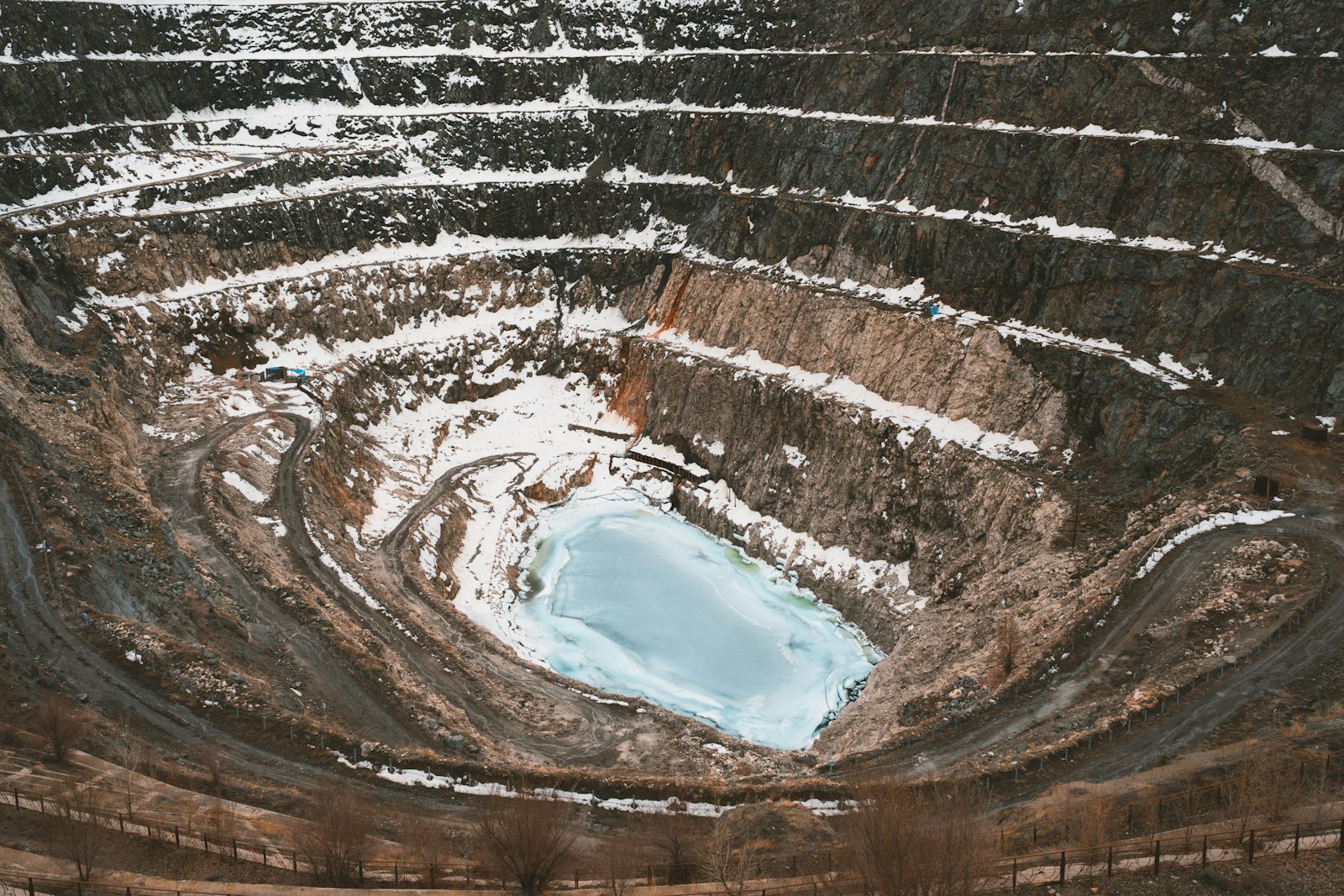

Uzbekistan has set out a plan to turn its critical minerals sector into a US$2.7 billion industry by 2030. Development plans for the state-owned Uzbekistan Technological Metals Complex (UzTMK) and uranium producer Navoiyuran were reviewed in Tashkent on 5 November 2026, according to the Dunyo state news agency. The targets matter well beyond Central Asia, as manufacturers across Asia look for new, reliable suppliers of the metals used in electronics, batteries and clean energy.
Critical Minerals in Uzbekistan: What Was Announced
The meeting focused on two companies that sit at the heart of the country’s mining ambitions. Officials presented their priorities for the rest of 2026 and their longer-term development plans.
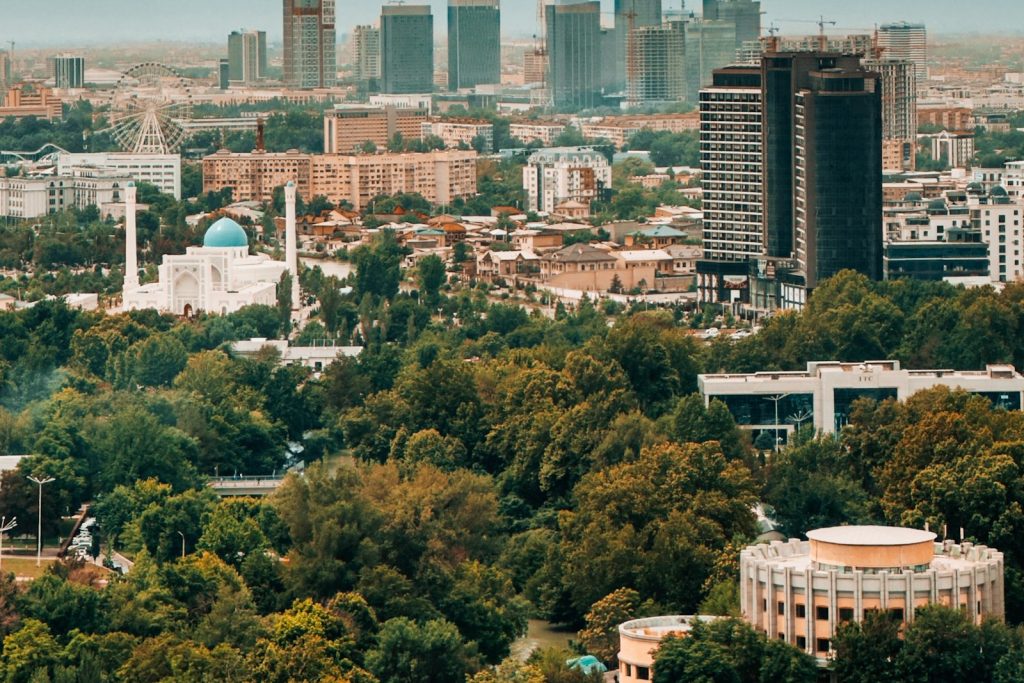
The case for expansion rests on demand. Officials said demand for traditional metals grows by about 1% a year. Demand for critical minerals, by contrast, is rising by around 10% a year.
UzTMK is building what it calls a complete value chain. This runs from geological exploration and mining through to ore processing, deep processing and finished goods. The aim is to sell more refined, higher-value products rather than raw ore.
UzTMK’s Critical Minerals Roadmap
The company already works with five metals. These are tungsten, molybdenum, selenium, tellurium and rhenium. Under the new plan, it will begin work on 11 more, including nickel, cobalt, graphite, antimony, tin, vanadium and copper.
Key targets for UzTMK include:
- Launching 12 investment projects by the end of 2026.
- Raising output of high-purity selenium and tellurium and expanding locally made products.
- Lifting the production value of its 16 key metals above US$2.7 billion by 2030.
- Attracting about US$1.1 billion of investment into tungsten deep-processing projects, with tungsten output value expected to reach nearly US$2.2 billion by 2030.
Proposals to develop rare and rare-earth deposits and widen the resource base were also discussed, according to Yangi O’zbekiston, the state newspaper. Officials were told to bring new facilities online on schedule and to increase exports of value-added goods.
Uranium Output Set to Double
Navoiyuran presented an equally ambitious plan. The company expects to produce about 7,500 tonnes of uranium this year. Its target is 15,000 tonnes by 2030, with explored reserves rising to 200,000 tonnes.
For 2026, the company plans more exploration and drilling, new production infrastructure and additional sorption facilities. The plan also includes 250 new jobs. Navoiyuran intends to source more sulphur, sulphate and nitrate from domestic industrial suppliers, which supports local manufacturers.
There is a cleaner-production angle too. By 2030, alternatives to sulphuric acid are expected to make up 40% of the reagents used in extraction.
Independent reporting puts the uranium plan in context. The Times of Central Asia, citing the World Nuclear Association, notes that Uzbekistan is the world’s fifth-largest uranium producer. Its output rose from 5,200 tonnes in 2024 to 7,000 tonnes in 2025. Buyers include Japan, South Korea, Canada and China.
Why Uzbekistan’s Critical Minerals Push Matters for Asia
Asian economies are among the largest users of critical minerals. Tungsten goes into cutting tools and electronics. Cobalt, nickel and graphite are used in batteries. Selenium and tellurium are used in solar panels and semiconductors. For more on that demand, see our look at how the AI boom is reshaping the Asia Pacific semiconductor supply chain.
A larger, more diversified supplier in Central Asia gives buyers in Japan, South Korea, China and Southeast Asia more options. It also opens doors for partners in processing, equipment and engineering.
For Uzbekistan, the shift toward refining and finished products should mean more skilled jobs and higher export earnings. The focus on deep processing also signals that the country wants to move up the value chain, not just dig and ship ore.
Some details remain open. Timelines for individual plants and expected export volumes have not yet been published. Investors will be watching for project announcements as UzTMK works toward its 12 launches before the year ends.
To learn more, visit the Uzbekistan Technological Metals Complex official website.