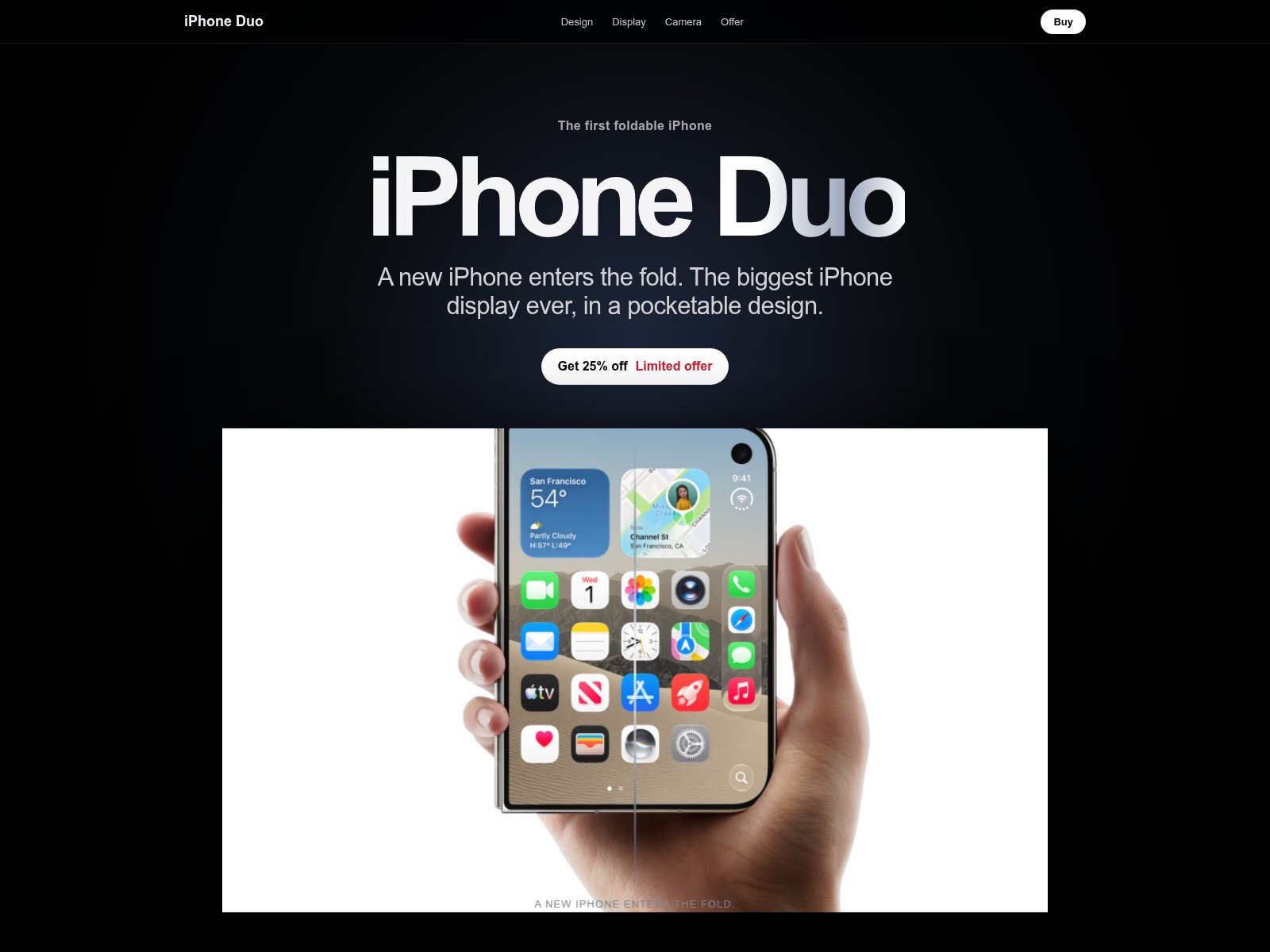

Fake iPhone Duo offers are spreading online just days after Apple’s first foldable iPhone went on sale on 23 October. Kaspersky experts have already detected numerous scam attempts aimed at buyers in different parts of the world.
For scammers, a high-profile debut like this creates ideal conditions. After all, eager buyers chasing early access to a premium device are often ready to act fast. That is exactly what fraudsters count on.
How Fake iPhone Duo Offers Lure Buyers
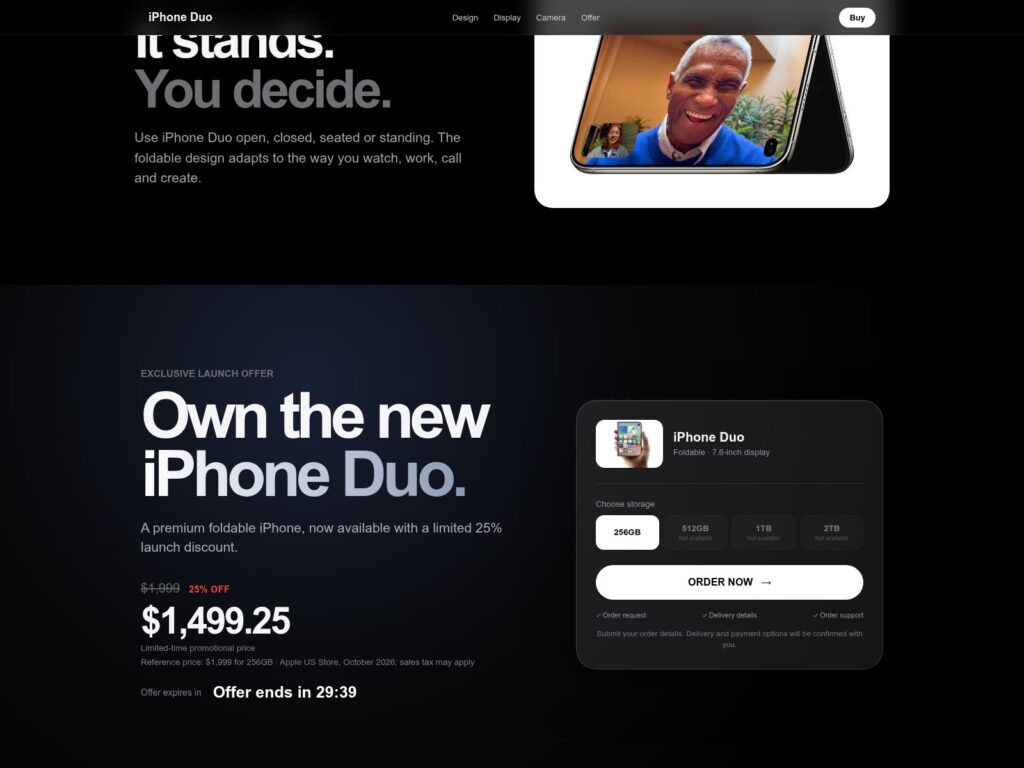
One English-language website, for example, promised a 25% discount on the new phone. Its design closely echoed Apple’s visual style. In addition, a countdown timer claimed that only 30 minutes remained before the offer ended. As a result, visitors felt a false sense of urgency that pushed them towards impulsive decisions.
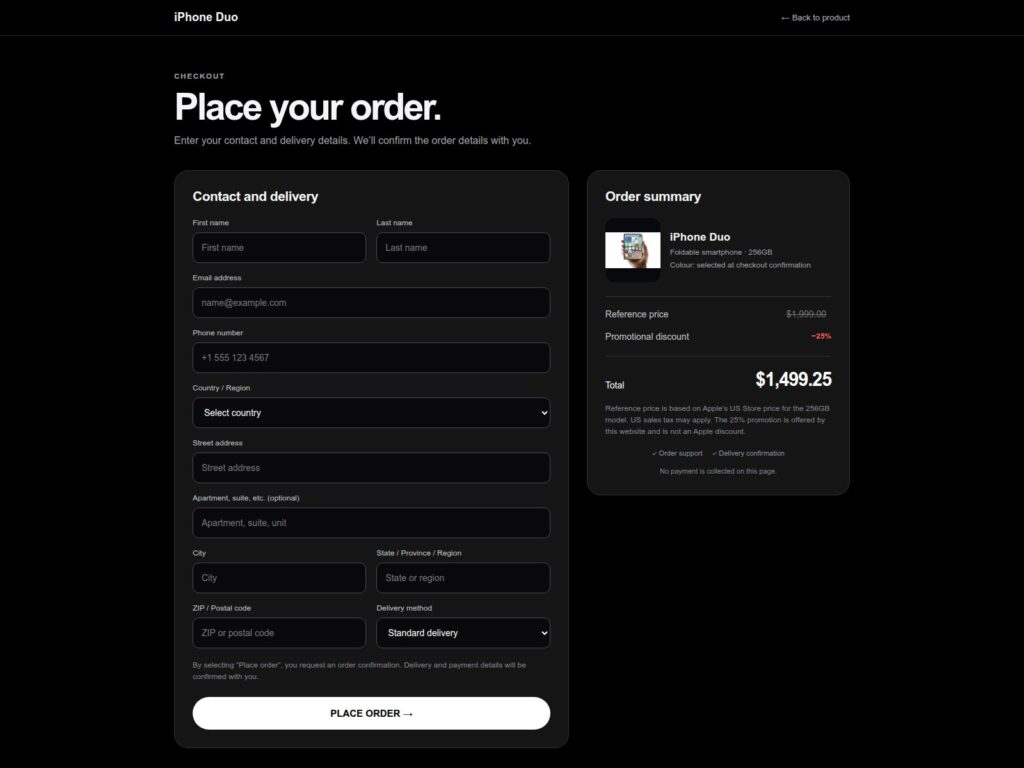
At checkout, the site asked users for their contact details and shipping address. Notably, it did not ask for card information at that stage. Instead, it claimed that a manager would contact the buyer later to confirm delivery and payment details. In many cases, this kind of setup is the opening move in a fraudulent scheme that can end in financial loss.
Multilingual Scam Sites Copy the Launch Hype
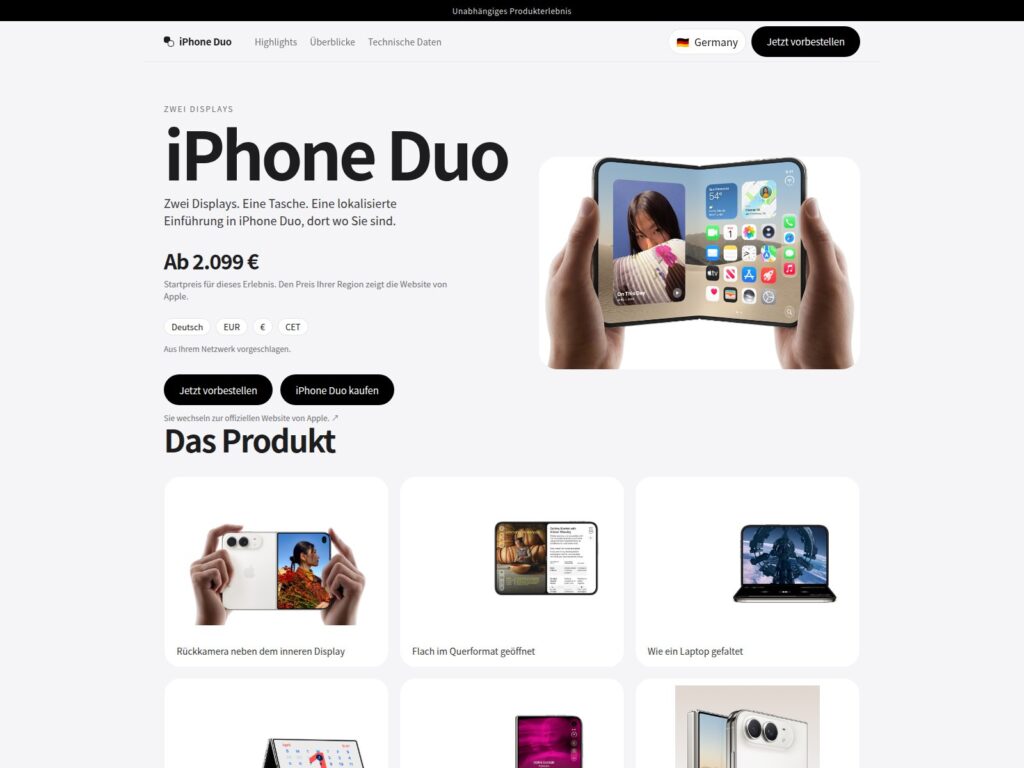
These fake iPhone Duo offers are not limited to English-speaking audiences. Kaspersky also found multilingual pages where users can select their preferred language.
In one case, a fake website showcased various features of the new device and invited users to place a preorder. It even let them choose the currency for the purchase. To look credible, the site also suggested that users would be redirected to Apple’s official website. In reality, that never happens.
Fake iPhone Duo Offers Move to WhatsApp
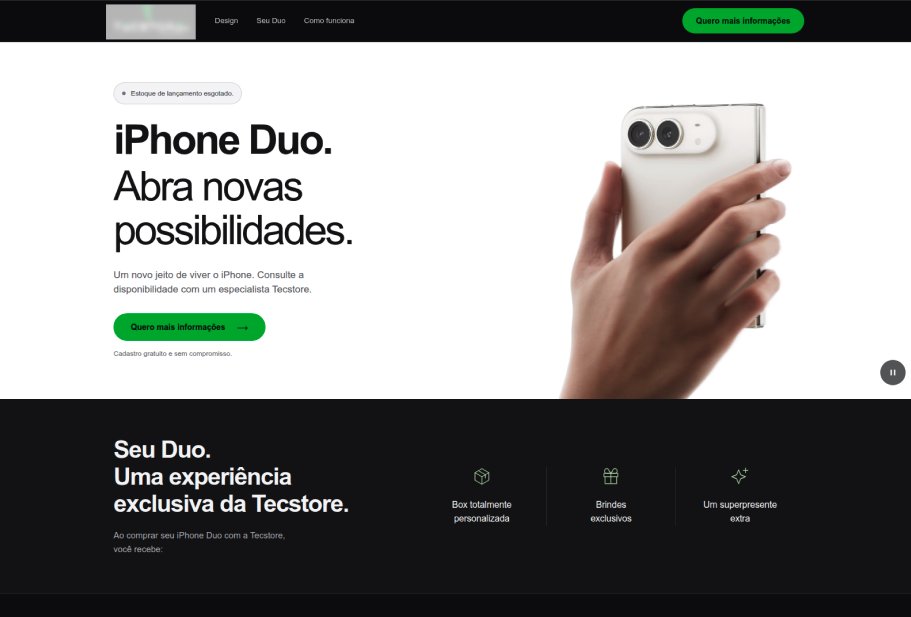
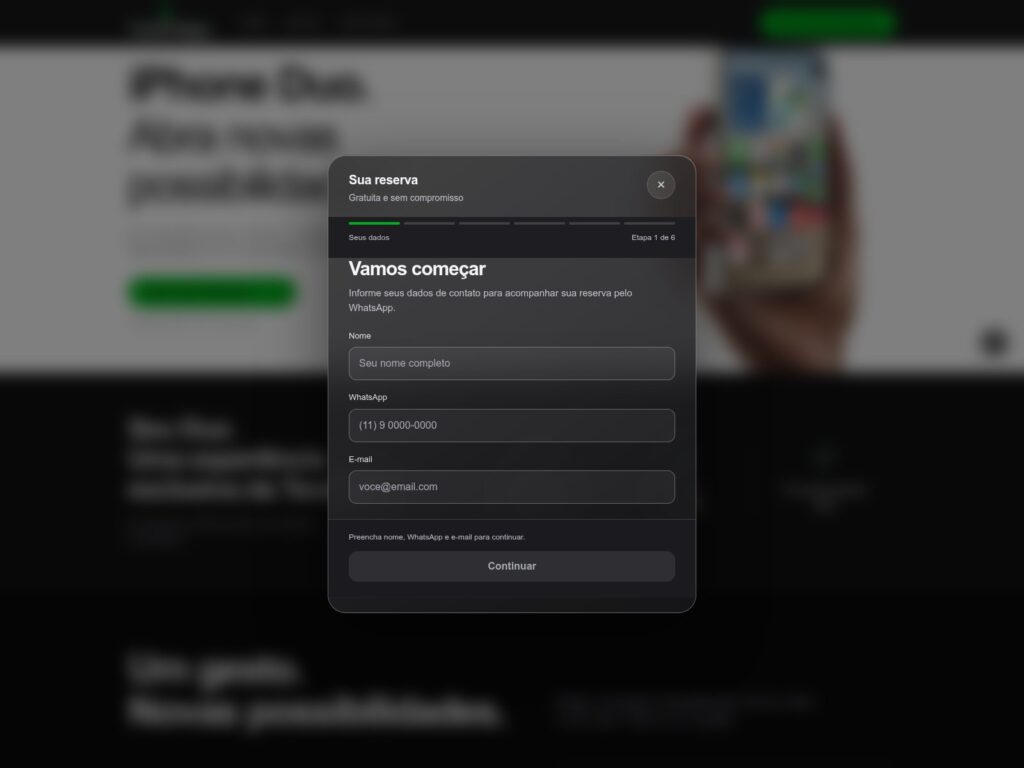
Kaspersky researchers also uncovered a fraudulent offer aimed at Portuguese-speaking users. This time, the scammers tried to move the conversation to a messaging app from the outset. First, they asked victims to share the phone number linked to their WhatsApp account. Then, they asked for an email address, supposedly to check product availability.
However, this tactic does more than expose contact information. It also leaves victims more vulnerable to further social engineering.
Why Flagship Launches Attract Scammers
“Scammers move fast when a flagship device hits the market, because hype creates urgency and urgency lowers caution. These campaigns are designed to look credible, then push the target into a private exchange before they have time to verify anything. For fraudsters, a flagship buyer is a high-value mark: someone already willing to spend big and therefore more likely to share personal or payment-related details. That is exactly why unofficial discounts, preorders, or ‘availability checks’ should be treated as red flags,” says Olga Altukhova, Senior Web Content Analyst at Kaspersky.
How to Avoid Fake iPhone Duo Offers
To shop for a new device without worrying about cyber threats, Kaspersky recommends that users:
- Buy from official stores. Always purchase new products through official and reputable stores to avoid fraudulent offers.
- Check the website first. Before entering personal data, double-check the URL format and the spelling of the organisation’s name.
- Use a reliable security solution. Choose a security solution that detects fraudulent stores and blocks phishing links. Kaspersky has also added AI-powered scam protection to its consumer solutions. It combines machine learning-based anti-phishing, real-time behaviour monitoring, and Data Leak and Identity Theft checkers. In 2025, Kaspersky Premium received the “Approved” certification in the Fake Shops Detection test by AV-Comparatives.
- Secure your payment information. Use dedicated virtual cards or a dedicated payment service for online purchases. Also, store credentials and financial data in a password manager for secure auto-fill and cross-device sync.
- Enable multi-factor authentication. Turn on 2FA for IDs and financial apps, and regularly review statements for unauthorised activity.
Why It Matters for Shoppers in Asia
Although these examples target English, multilingual and Portuguese audiences, the same playbook can easily reach shoppers across Asia. Fake websites remain a favourite tool for attackers, as the recent Lazarus APT campaign showed. The warning also follows a Kaspersky study finding that cybersecurity risks hit over four in five people.
So, before you pay for a new foldable, slow down and buy only from official channels. If fake iPhone Duo offers look too good to be true, they almost certainly are.