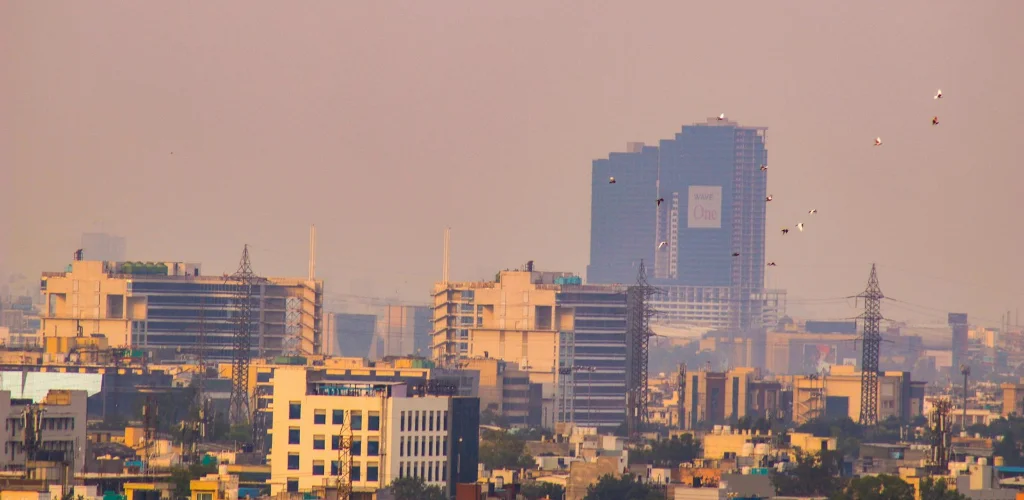

India’s GIFT City has grown from an empty plot near Gandhinagar into one of Asia’s fastest-rising offshore finance hubs. This guide explains what the city offers, who regulates it, which businesses can set up there and how the tax rules work in 2026. For Asian companies and investors looking at India, it is now a practical entry point worth understanding.
What Is GIFT City?
Gujarat International Finance Tec-City, or GIFT City, is a planned business district in the western Indian state of Gujarat. It sits between Ahmedabad and the state capital, Gandhinagar. The city has two parts. One is a domestic zone for Indian companies. The other is a special economic zone that hosts India’s first International Financial Services Centre (IFSC).
The IFSC is treated as offshore territory for many financial purposes. Firms there deal mainly in foreign currency, such as US dollars, and serve clients outside India as well as Indian groups going global. According to the GIFT City developer, more than 29 million square feet of space has been allotted so far.
The Regulator Behind GIFT City
The International Financial Services Centres Authority (IFSCA) is the single regulator for the IFSC. It was set up on 27 April 2020 under a 2019 law. Before that, four separate Indian regulators shared oversight of banking, securities, insurance and pensions in the zone. Now one body handles licences, rules and supervision.
What Businesses Can Set Up in GIFT City
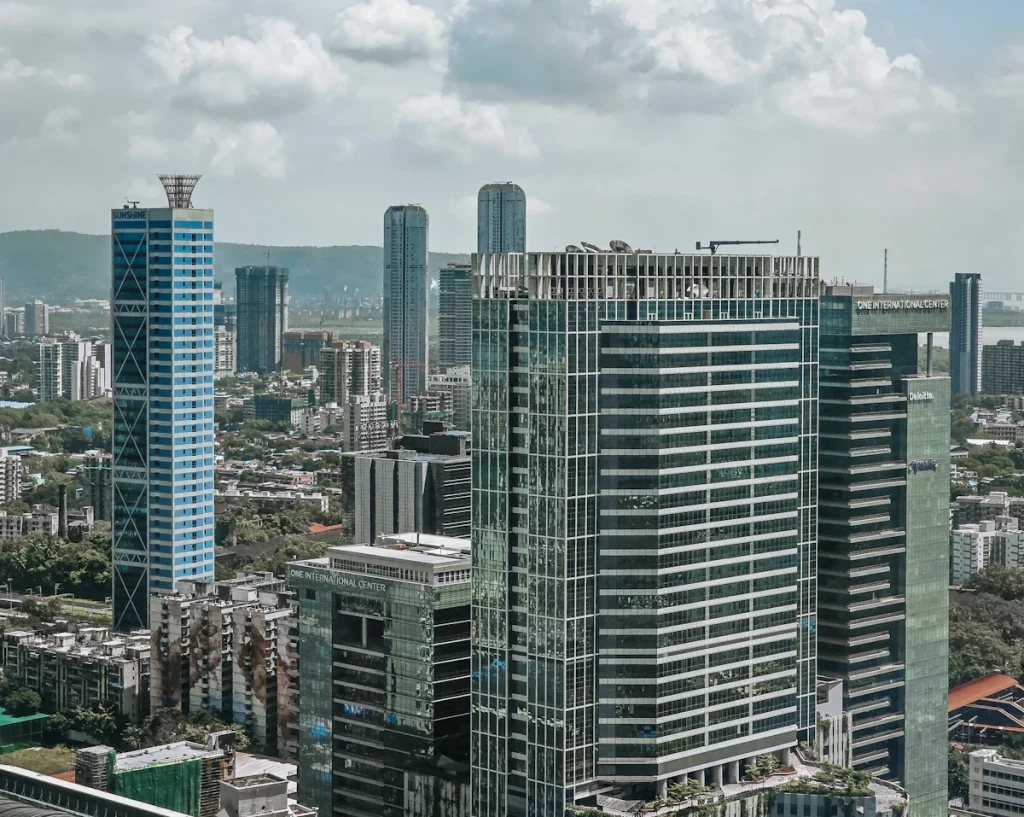
The IFSC welcomes a wide range of financial and support activities. The main ones include:
- Banking units of Indian and foreign banks
- Fund management entities running venture capital, private equity and retail funds
- Insurance and reinsurance offices
- Aircraft and ship leasing companies
- Global and regional corporate treasury centres
- Stock and bullion exchanges, plus brokers and other intermediaries
- Fintech and “techfin” firms
- Global in-house centres that serve financial groups
- Branch campuses of foreign universities
Minimum capital rules differ by activity. A bank branch, for example, needs far more capital than a small fund manager or a treasury centre.
GIFT City Tax Incentives in 2026
Tax is the main draw. India’s Union Budget 2026-27 doubled the tax holiday for IFSC units. The change took effect on 1 April 2026.
- IFSC units can now claim a 100% deduction on eligible business income for 20 consecutive years, chosen within a 25-year window. The earlier rule was 10 years out of 15.
- Offshore banking units get a deduction for 20 consecutive years.
- After the holiday ends, eligible business income is taxed at a concessional 15%.
- A lower minimum alternate tax of 9% applies to qualifying IFSC companies.
Other benefits include no goods and services tax on services received by IFSC units, and exemptions from stamp duty and transaction taxes on IFSC exchange trades. Some leasing and fund-relocation incentives require operations to begin by 31 March 2030. Tax rules are detailed, so firms should seek professional advice before committing.
How to Set Up in GIFT City
Setting up has become more streamlined. Since 1 October 2024, most applicants must file through IFSCA’s Single Window IT System. One common form covers several approvals at once. The main steps are:
1. Choose the activity and structure
Decide what you will do in the IFSC, and whether to use a new company, a limited liability partnership or a branch of an existing overseas firm.
2. Apply through the single window
The portal links IFSCA registration with the special economic zone approval, goods and services tax registration, and any clearances needed from other Indian regulators.
3. Secure office space and staff
Lease premises inside the zone, meet capital rules and hire the required local team before starting operations.
GIFT City by the Numbers
The hub’s growth has been steep. According to IFSCA, as of June 2026:
- There were 1,260 final registrations and authorisations.
- Total banking assets passed US$120 billion.
- Funds had raised more than US$45 billion in cumulative commitments.
- 454 aircraft and ship assets had been leased from the zone.
- 127 techfin and ancillary service providers were registered.
IFSC exchanges also averaged monthly turnover of more than US$105 billion in the April to June 2026 quarter.
Why GIFT City Matters for Asia
For companies across Asia, GIFT City offers a foreign currency base inside the world’s most populous country, in a time zone between Singapore and Dubai. Japanese, Korean and Southeast Asian banks, lessors and fund managers can use it to serve Indian clients and the wider region. With longer tax holidays now in place, the hub looks set to keep growing.
To learn more, visit the IFSCA official website. It sits alongside other regional hubs such as the Astana International Financial Centre.