

The Hong Kong PhD Fellowship Scheme is one of the best-known doctoral awards in Asia. This guide explains what it pays, who can apply and how the 2027/28 round works. It matters to graduates across the region who want a fully supported research degree in a leading academic hub.
What the Hong Kong PhD Fellowship Scheme Offers
The scheme is run by Hong Kong’s Research Grants Council (RGC). It exists to attract top research talent from around the world. According to the official HKPFS website, the 2026/27 package includes an annual stipend of HK$344,400, or about US$44,150. That works out to roughly HK$28,700 a month, though the RGC states the yearly figure only.
Fellows also receive a conference and research-related travel allowance of HK$14,400 a year, about US$1,840. The RGC says 400 fellowships will be awarded for the 2027/28 academic year. Tenure is up to three years, and universities may offer extra support if a student needs longer to finish. Ask your chosen university about those terms. Amounts can change between rounds, so check the official page before you apply.
Participating Universities
Eight Hong Kong institutions take part:
- City University of Hong Kong
- Hong Kong Baptist University
- Lingnan University
- The Chinese University of Hong Kong
- The Education University of Hong Kong
- The Hong Kong Polytechnic University
- The Hong Kong University of Science and Technology
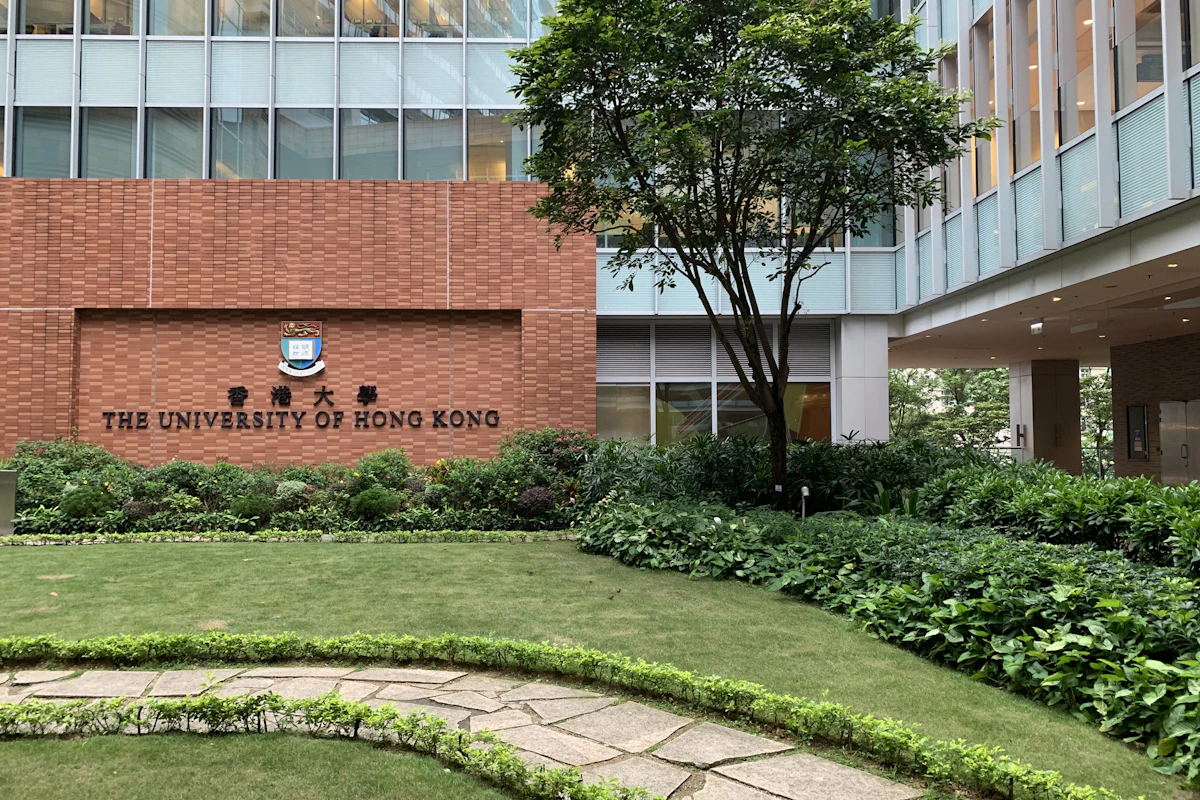
- The University of Hong Kong
You may choose up to two programmes or departments, at one or two of these universities. You must meet the admission requirements of each one you pick.
Who Can Apply for the Fellowship
Applicants must be seeking admission as new, full-time PhD students at one of the eight universities. Nationality, ethnic background and work experience do not matter. The scheme is open to students from every country, which makes it a strong option for applicants from Southeast, South and East Asia.
Selection looks at academic performance, research ability and potential, communication and interpersonal skills, and leadership. Shortlisted applications go to one of two panels: Sciences, Medicine, Engineering and Technology, or Humanities, Social Sciences and Business Studies.
How to Apply: the Two-Step Process
The application page sets out two steps. Both matter, and missing either one means no application.
1. Submit the initial application to the RGC
Apply online through the HKPFS Electronic System. When you finish, you receive an HKPFS reference number. Read the Guidance Note on the RGC site before you start.
2. Apply to your chosen universities
Submit a full application to each university, quoting your reference number. Required documents differ by institution and programme, so check each admissions page. English-language requirements are also set by the universities, not the RGC. For example, PolyU asks applicants to choose the 2027/28 Semester 1 (September 2027) entry option in its online admission system.
The 2027/28 Timeline
As of November 2026, the round is open. The key dates, all in Hong Kong time, are:
- Initial application opened: 1 September 2026
- Initial application deadline: 12:00 noon on 1 December 2026
- University application deadlines: 11:59pm on 1 December 2026 for all eight universities
The RGC warns that some universities may have deadlines soon after the initial one. Confirm the date for each programme and apply early.
Also read: MEXT Scholarship: A Practical Guide for Students Across Asia
Practical Tips for Strong Applicants
- Start now. The deadline is 1 December, and the two steps depend on each other.
- Contact potential supervisors early. A clear research fit helps your university application.
- Write a focused research proposal. Show why Hong Kong and your chosen department suit your topic.
- Line up referees and transcripts before you open the forms.
- Show leadership and communication skills, since the panels assess them alongside grades.
- Use your second programme choice wisely. A related backup can widen your chances.
Looking Ahead
The scheme usually returns every year with a similar timetable. If you miss this round, begin preparing for the next one early, and keep checking the RGC site for updated amounts and dates.
To learn more, visit the Hong Kong PhD Fellowship Scheme official website.