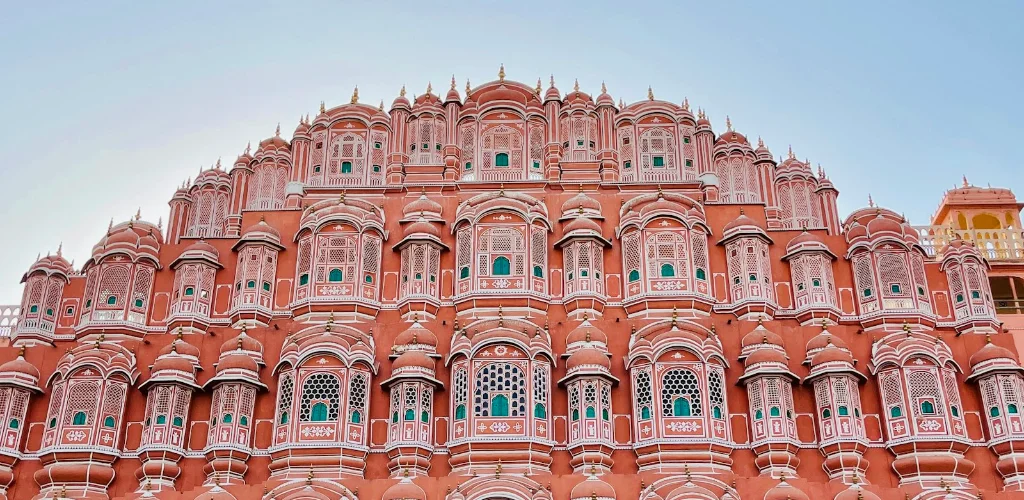

In the Indian city of Jaipur, a simple rubber foot has helped hundreds of thousands of people walk again. The Jaipur Foot, and the charity that fits it free of charge, show how low-cost design can change lives at scale. It is a story that speaks to communities across Asia, where affordable care still matters most.
How the Jaipur Foot Began
The idea took shape in 1968 at Sawai Man Singh Medical College and Hospital in Jaipur. There, orthopaedic surgeon Dr Pramod Karan Sethi worked with a skilled hospital craftsman, Ram Chandra Sharma. According to the Science Museum in London, they built the foot from rubber, wood and plastic rather than costly imported materials.
Ram Chandra used a traditional sand-casting method to make a mould that could produce feet in any size. A small tyre-retreading workshop helped to shape the rubber. Dr Sethi later received the 1981 Ramon Magsaysay Award for Community Leadership for this work.
Why the Jaipur Foot Suits Daily Life
Many imported artificial feet of the time needed shoes. They also made it hard to squat or sit on the floor. That did not fit everyday life in India, where many people walk barefoot, sit cross-legged and work in fields.
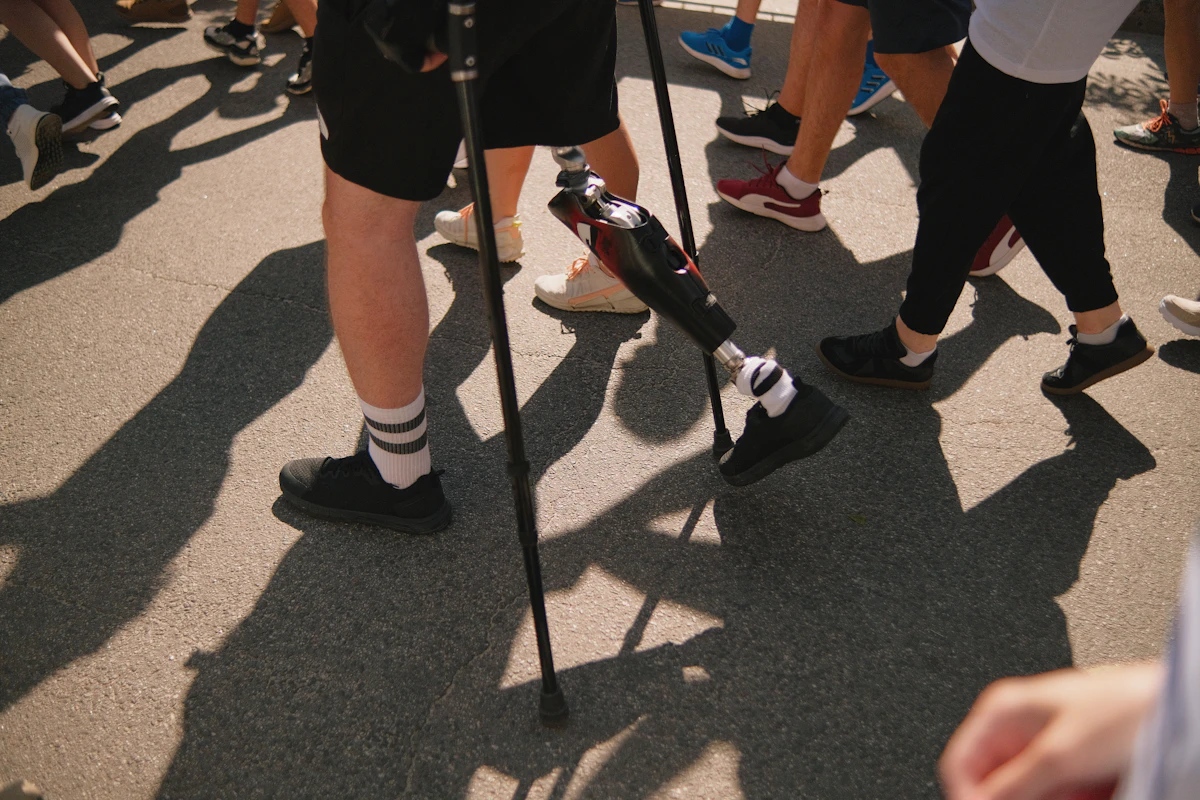
The Jaipur team adapted an existing design to solve this. A paper in the Indian Journal of Orthopaedics (2019) explains that a rubber block gave the ankle enough bend to allow squatting. Another change let the foot turn gently, so users could sit cross-legged. A rubber covering removed the need for shoes.
The result looks and moves more like a natural foot. Users can walk on uneven ground, climb and work in wet fields. Just as important, it is cheap to make. The Science Museum put its production cost at about US$45 in 2017.
BMVSS Takes the Jaipur Foot to the People
A good design still needed a way to reach those who could not pay. That came from Devendra Raj Mehta, a senior civil servant in Rajasthan. In 1969 he spent months in hospital after a serious road accident nearly cost him his leg. During his recovery he resolved to help people with disabilities.
On 29 March 1975, he registered Bhagwan Mahaveer Viklang Sahayata Samiti (BMVSS) in Jaipur, as the charity’s own history records. Its rule has stayed the same ever since: every limb and aid is free.
BMVSS also works fast. Its limbs are custom-made but usually fitted within one or two days, so patients from far away do not need long stays. The charity runs its main centre in Jaipur and, according to its May 2026 brochure, 37 branches across India.
BMVSS in Numbers
The charity began small. It fitted 59 people in its first year. Official BMVSS figures show it had helped 2,500,879 people with disabilities between 1975 and 31 March 2026. That total includes 820,581 artificial limbs, plus callipers, wheelchairs, hearing aids and other aids.
Growth has been strong in recent years. BMVSS served more than 148,000 people in the 2025–26 financial year alone.
Jaipur Foot Camps Beyond India
BMVSS teams also travel. By May 2026, they had held 125 on-the-spot fitting camps in 48 countries across Asia, Africa and Latin America. Associate centres operate in places such as Manila and Zamboanga in the Philippines.
In 2018, India’s Ministry of External Affairs launched the “India for Humanity” programme with BMVSS to mark Mahatma Gandhi’s 150th birth anniversary. As Business Standard reported, the ministry fully sponsored limb-fitting camps in partner countries.
New Ideas Built on the Original Design
BMVSS keeps improving its products through partnerships. Key examples include:
- The Stanford-Jaipur Knee, a low-cost knee joint developed with Stanford University. TIME magazine named it one of the 50 best inventions of 2009.
- Research with the Massachusetts Institute of Technology on an energy-saving foot and knee.
- Work with Japan’s InstaLimb on 3D-printed sockets.
Also read: Edhi Foundation: How Pakistan Built a Volunteer Welfare Network
How the Jaipur Foot Stays Free
BMVSS relies on donations and grants from individuals, companies and organisations in India and abroad. It also receives Government of India grants and uses interest from its endowment fund. The charity says its administrative costs are kept to about 3% of spending.
More than five decades on, the Jaipur Foot remains a strong example of frugal innovation. It shows that thoughtful, local design can give people their mobility, their work and their independence back.
To learn more, visit the BMVSS official website.