



Thailand’s economy picked up speed in the third quarter of 2026, powered by a surge in machinery spending and strong demand for electronics linked to artificial intelligence (AI). Gross domestic product (GDP) in Thailand grew 2.9% year on year, up from a revised 2.4% in the second quarter. The figures were released on Monday 16 November by the Office of the National Economic and Social Development Council (NESDC).
On a seasonally adjusted basis, output rose 0.3% from the previous quarter. Growth for the first nine months of the year reached 2.8%.
Thailand GDP Gets a Lift From Investment
Investment was the standout. Total investment rose 11.8%, its fastest pace in 55 quarters, according to The Nation’s report on the NESDC data. Private investment jumped 16.2%, up from 13.5% in the second quarter.
Spending on machinery and equipment did much of the work, rising 20.5%. Public investment also returned to growth, edging up 1.7%.
The Bank of Thailand had already pointed in this direction. In its September and third-quarter review, the central bank noted a significant rise in private investment, particularly in data centres. It also said goods exports kept growing on the back of the global technology and AI cycle.
Exports Drive the Thailand Economy
Merchandise exports grew 23.6% in US dollar terms to about US$106.4 billion. That was the strongest quarterly gain in 21 quarters. NESDC secretary-general Danucha Pichayanan said manufactured exports led the way, especially electronics, as global demand for AI and data centre products grew.
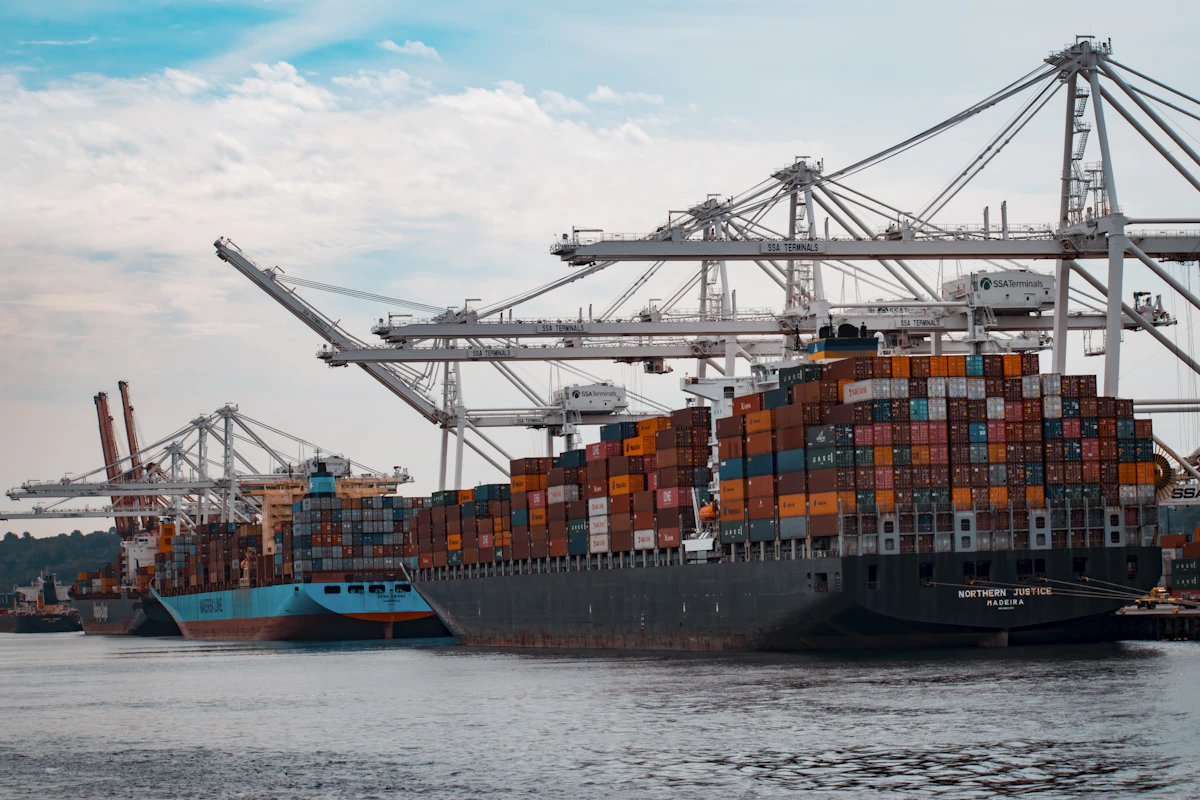
Key products included communications equipment, computer parts and integrated circuits. Manufacturing output rose 3.7%, its quickest pace in 16 quarters.
The investment pipeline helps explain the momentum. In the first half of 2026, Thailand’s Board of Investment (BOI) received applications worth 1.473 trillion baht, up 37% on a year earlier, The Nation reported. Digital projects made up 1.115 trillion baht of that total, mainly data centres, data hosting and cloud services.
Thailand GDP Outlook for 2026 and 2027
The NESDC now expects the economy to grow 2.5% in 2026. That narrows its earlier range of 2.0% to 2.5%, and compares with 2.4% growth in 2025. For 2027, the agency projects growth of 2.0% to 3.0%, with a 2.5% midpoint.
The agency expects a tourism recovery and higher net exports to support next year’s growth. It has also raised its 2026 export growth forecast to about 20%.
Private forecasters have moved too. UOB lifted its 2026 forecast to 2.5% from 1.9%, and its 2027 forecast to 2.3% from 2.0%, TNGlobal reported. The bank described an economy gaining momentum from an AI-driven investment and export upturn.
Uneven Gains Across the Thailand Economy
Not every sector is moving at the same pace. Private consumption grew 2.5%, a modest step up from 2.1%. Foreign arrivals fell 5% to about 7.06 million, though tourism receipts rose 11.7%, helped by longer average stays.
Officials also flagged factors to watch. The NESDC said new AI-related investment worldwide could soften next year. A possible El Niño could affect rice, sugar and rubber output.
What Thailand GDP Growth Means for Businesses in Asia
For regional firms, the data points to clear areas of demand. These include:
- Suppliers of electronics parts, servers and components feeding AI hardware.
- Builders, power and cooling providers serving new data centres.
- Machinery and equipment makers supporting factory upgrades.
Thailand’s role in regional supply chains also looks firmer. In the first quarter, Singapore, Japan, the United Kingdom and Malaysia were the main sources of BOI digital applications. Investors from the United States, Taiwan and Japan led in electronics.
Also read: ASEAN Digital Economy Framework Agreement: Pact Signed in Manila
Looking Ahead
The next test is whether investment and exports can keep their pace into 2027, and whether tourism and household spending catch up. The NESDC’s fourth-quarter and full-year 2026 figures are due in February 2027, according to UOB. They will show how much of this year’s AI-led momentum carries into the new year.