

The United Arab Emirates has approved the UAE Genomics Masterplan, a five-year plan to bring genomics into everyday healthcare. The 2026–2031 National Genomics Masterplan was approved on 10 November 2026 at a meeting of the Emirates Genome Council in Abu Dhabi. It marks a shift from collecting genetic data to using it for prevention and precision medicine, an approach that health systems across Asia are watching closely.
The council met during the UAE Government Annual Meetings, and the plan was approved by Sheikh Khaled bin Mohamed bin Zayed Al Nahyan, Crown Prince of Abu Dhabi and chairman of the council. The approval comes as the Emirati Genome Programme passes a major milestone of one million participants.
What the UAE Genomics Masterplan Sets Out
The national genome effort began with a large task: sequencing the DNA of Emirati citizens and building a secure database. With one million people now taking part, the focus is moving to the next stage. The new plan asks how that data can help doctors and families make better health decisions.
According to the Abu Dhabi Media Office, the masterplan rests on four main initiatives:
- Extending access to the Emirati Genome Programme to all Emirati citizens
- Providing personalised genomic reports to 900,000 participants
- Expanding the Newborn Genetic Screening Programme nationwide
- Strengthening the Trusted Research Environment for secure research
Personalised Genomic Reports Under the UAE Genomics Masterplan
The most visible change for participants will be the reports themselves. From December 2026, 900,000 programme participants will be able to access personalised genomic reports through TAMM, the Abu Dhabi government services platform.
Each report covers 214 inherited genomic conditions and health traits. Officials say the reports will include guidance on what the results mean and on suitable next steps. They will also be handled under strict privacy and data confidentiality standards.
In simple terms, a genomic report helps a person understand parts of their genetic make-up that may be relevant to their health. That knowledge can support earlier conversations with a doctor and more informed lifestyle choices. Results are one input among many, and the reports are designed to be read with professional guidance.
Mansoor Ibrahim Al Mansoori, Chairman of the Department of Health – Abu Dhabi and Secretary General of the Emirates Genome Council, said in the official announcement that providing the reports “marks a key milestone in this shift” from data collection to clinical use.
Newborn Screening and Early Care
The second strand focuses on the youngest members of the community. The expanded newborn screening programme covers more than 730 genes. These are linked to more than 815 childhood genetic conditions for which early treatment or clinical management is available.
The aim is to support diagnosis and care within a child’s first weeks of life. For parents, this can mean earlier answers, timely support and a clearer plan with their medical team. Taking the programme nationwide means more families across the Emirates can benefit.
A Trusted Research Environment for Science
The fourth initiative strengthens the Trusted Research Environment, a secure digital space where approved researchers can analyse data with the help of artificial intelligence. The National reports that it has received invitations from 21 research and healthcare entities since its launch.
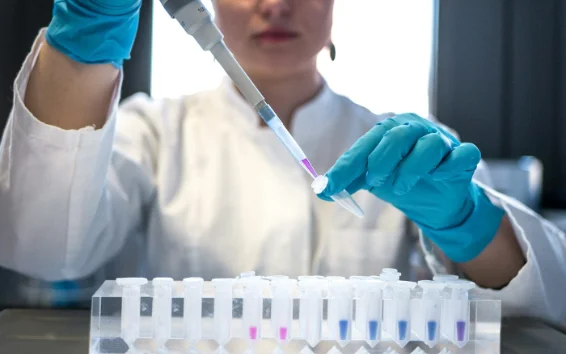
This kind of controlled access lets scientists study patterns in population data without the data leaving a protected setting. Officials say the masterplan will involve work with researchers, physicians and specialised firms worldwide to turn discoveries into practical healthcare applications.
Why the UAE Genomics Masterplan Matters for Asia
Many Asian populations are under-represented in global genetic research, which has historically drawn mostly on people of European ancestry. Large national programmes help fill that gap and make findings more relevant to the communities they serve.
The UAE model also shows how a country can link genomics with digital government services and AI-supported research. Health planners from the Gulf to East Asia are exploring similar ideas, from newborn screening to preventive care. A programme that reaches a million people and then returns useful information to them offers a practical reference point.
The bigger idea is prevention. Instead of waiting for illness, health systems can use better information to spot risks earlier and tailor care to each person. That approach supports healthier lives and can ease long-term pressure on hospitals.
With reports due to reach participants from December 2026 and the plan running to 2031, the coming years will show how genomic insight becomes part of routine care. For the UAE and its neighbours across Asia, the masterplan points towards a future where healthcare is more personal, more preventive and better informed by science.
Related reading: Taipei Health Screening: A New Reason for Malaysian Families to Visit Taiwan